
Introduction
In the realm of holistic wellness practices, few methodologies have stood the test of time with the same enduring relevance as pranayama. Rooted in ancient Indian traditions, pranayama, the art of breath control, has transcended centuries to remain a cornerstone of well-being for countless individuals worldwide. Its profound impact on physical, mental, and spiritual health has garnered attention not only from yoga practitioners but also from researchers and healthcare professionals seeking effective and accessible modalities for enhancing overall wellness.
Definition of Pranayama
At its essence, pranayama can be understood as the conscious regulation and expansion of the breath to influence the flow of prana, or life force energy, within the body. The term “pranayama” is derived from Sanskrit, where “prana” signifies breath, energy, or life force, and “yama” denotes control or restraint. Thus, pranayama encompasses a spectrum of breathing techniques designed to manipulate the breath in specific ways to achieve various physiological, psychological, and spiritual effects.
While pranayama is often associated with yoga, it transcends the confines of any single discipline, offering a versatile tool for individuals to access states of heightened awareness, relaxation, and vitality. Through the intentional regulation of inhalation, exhalation, and breath retention, practitioners harness the power of the breath to cultivate balance, resilience, and inner harmony.
The practice of pranayama is intricately woven into the fabric of ancient yogic teachings, with references dating back to the Vedas, the oldest sacred scriptures of Hinduism. In texts such as the Upanishads and the Yoga Sutras of Patanjali, pranayama is extolled as a fundamental aspect of the yogic path, integral to the attainment of physical health, mental clarity, and spiritual enlightenment.

Pranayama techniques vary in complexity and intensity, ranging from simple deep breathing exercises to more advanced practices involving specific patterns of inhalation, exhalation, and breath retention. Some of the most commonly practiced pranayama techniques include:
- Deep Breathing (Diaphragmatic Breathing): Involves slow, conscious breathing that expands the abdomen with each inhalation, promoting relaxation and oxygenation of the body.
- Anulom Vilom (Alternate Nostril Breathing): A technique that balances the flow of energy in the body by alternating between nostrils during inhalation and exhalation.
- Bhramari (Bee Breath): Involves producing a buzzing sound while exhaling, which has a calming effect on the nervous system and soothes the mind.
- Kapalabhati (Skull Shining Breath): Characterized by rapid, forceful exhalations followed by passive inhalations, this technique is believed to purify the body and invigorate the mind.
- Nadi Shodhana (Alternate Nostril Breathing): A practice that balances the left and right energy channels in the body, promoting mental clarity and emotional balance.
- Ujjayi (Victorious Breath): Known for its audible sound created by slightly constricting the throat during both inhalation and exhalation, Ujjayi calms the mind and enhances focus.
These techniques, along with numerous others, form the rich tapestry of pranayama practices, each offering unique benefits for physical, mental, and spiritual well-being. Whether practiced as a standalone discipline or integrated into a broader yoga or meditation practice, pranayama serves as a potent tool for cultivating presence, vitality, and resilience in the face of life’s challenges.
As we delve deeper into the multifaceted landscape of pranayama, we uncover a wealth of wisdom that transcends cultural boundaries and speaks to the universal quest for inner peace and wholeness. In the subsequent sections of this article, we will explore the myriad benefits of pranayama, its practical applications for health and wellness, and the profound implications of conscious breathing on our journey toward self-discovery and self-mastery.
Origin and Meaning of the Term “Pranayama”
The term “pranayama” originates from Sanskrit, an ancient Indo-European language used in Hindu scriptures and classical Indian literature. It is composed of two primary components: “prana” and “yama.”
Prana: In Sanskrit, “prana” refers to the vital life force or energy that permeates the universe. It encompasses the breath, vitality, and cosmic energy that sustain all living beings. Prana is believed to flow through subtle energy channels, known as nadis, influencing the physical, mental, and spiritual dimensions of existence.
Yama: “Yama” translates to “control” or “restraint.” In the context of pranayama, yama refers to the conscious regulation or mastery of the breath. It implies disciplined control over the breath to influence the flow of prana within the body.
Combining these elements, pranayama can be understood as the deliberate control or expansion of the breath to manipulate the flow of prana, thereby harmonizing the body, mind, and spirit.
Overview of the Practice and Its Significance in Yoga
Pranayama occupies a central position in the practice of yoga, an ancient system of spiritual and physical disciplines originating in India. As one of the eight limbs of classical yoga outlined by the sage Patanjali in the Yoga Sutras, pranayama holds profound significance for aspirants seeking self-realization and liberation (moksha).
In the yoga tradition, pranayama serves as a bridge between the external world and the inner realms of consciousness. By regulating the breath, practitioners harness the subtle energy of prana to purify the body, quiet the mind, and awaken dormant faculties of awareness. Pranayama is regarded as a potent tool for balancing the vital energies (pranas) within the body and harmonizing the dualistic forces of mind and matter.
The practice of pranayama is intricately linked to the cultivation of mindfulness (dharana) and concentration (dhyana), essential prerequisites for the attainment of samadhi, or transcendental consciousness. Through sustained practice, yogis aim to transcend the limitations of the egoic mind and merge with the universal consciousness, realizing their inherent unity with the cosmos.
Pranayama techniques range from simple breath awareness exercises to more advanced practices involving specific patterns of inhalation, exhalation, and breath retention. Each technique serves a distinct purpose, whether it be calming the nervous system, purifying the energy channels, or expanding consciousness.
Historical Background
The origins of pranayama can be traced back to the ancient Vedic scriptures, particularly the Rigveda and the Upanishads, which date back thousands of years. These texts contain references to the control and manipulation of breath as a means of spiritual purification and self-realization.
The systematic exploration of pranayama as a distinct limb of yoga can be found in Patanjali’s Yoga Sutras, compiled around the 4th century CE. Patanjali elucidates pranayama as the fourth limb of Ashtanga (eight-limbed) Yoga, following yama (ethical restraints), niyama (observances), and asana (physical postures). In the Yoga Sutras, Patanjali outlines various pranayama techniques and their transformative effects on the practitioner’s consciousness.
Over the centuries, pranayama has been elaborated upon in various classical texts, including the Hatha Yoga Pradipika, the Gheranda Samhita, and the Shiva Samhita. These texts provide detailed instructions on pranayama techniques, emphasizing their role in purifying the nadis, balancing the doshas (energetic constitutions), and awakening the dormant spiritual energies (kundalini) within the practitioner.
In summary, pranayama represents an ancient and venerable tradition of breath control and energy manipulation that lies at the heart of yoga philosophy and practice. Its origins can be traced back to the sacred scriptures of India, where it was revered as a potent means of spiritual transformation and self-realization. Through the ages, pranayama has continued to evolve and adapt, offering seekers of truth a timeless path to inner awakening and transcendence.
Origins in Vedic Texts and Upanishads
The roots of pranayama extend deep into the ancient Vedic texts, which are among the oldest known scriptures in the world. In these sacred texts, particularly the Rigveda and the Atharvaveda, breath is revered as a manifestation of divine energy and vitality. The concept of prana, the life force that animates all living beings, is intricately woven into the fabric of Vedic philosophy.
The Upanishads, philosophical treatises that expound upon the spiritual insights of the Vedas, further elucidate the significance of prana and its relationship to human consciousness. In texts such as the Brihadaranyaka Upanishad and the Chandogya Upanishad, prana is described as the subtle essence that pervades the universe and sustains life. The control and mastery of prana through breath regulation are seen as essential practices for attaining spiritual liberation and self-realization.
Elaboration in Classical Texts like Yoga Sutras of Patanjali and Hatha Yoga Pradipika
The systematic exploration of pranayama as a distinct discipline within the broader framework of yoga can be found in classical texts such as the Yoga Sutras of Patanjali and the Hatha Yoga Pradipika.
Patanjali’s Yoga Sutras, compiled around the 4th century CE, provide a comprehensive guide to the practice and philosophy of yoga. In the second chapter, known as the Sadhana Pada, Patanjali delineates the eight limbs (ashtanga) of yoga, of which pranayama is one. Patanjali defines pranayama as the regulation of the breath to control the fluctuations of the mind (YS 2.49). The Yoga Sutras outline various pranayama techniques and their transformative effects on the practitioner’s consciousness, emphasizing the importance of breath control in achieving mastery over the mind and attaining spiritual realization.
The Hatha Yoga Pradipika, attributed to the sage Swatmarama and dating back to the 15th century, is a seminal text that expounds upon the physical and energetic aspects of yoga practice. In this text, pranayama is accorded a prominent position among the practices of Hatha Yoga, alongside asana (physical postures), mudra (gestures), and bandha (energy locks). The Hatha Yoga Pradipika provides detailed instructions on various pranayama techniques, their physiological effects, and their role in awakening the dormant spiritual energies (kundalini) within the practitioner.
Benefits of Pranayama
The practice of pranayama offers a myriad of benefits for physical, mental, and spiritual well-being:
Physical Benefits: Pranayama techniques enhance respiratory function, increase lung capacity, and improve oxygenation of the blood. Regular practice can alleviate respiratory ailments such as asthma, bronchitis, and COPD, and promote overall lung health.
Mental Benefits: Pranayama calms the mind, reduces stress, and enhances mental clarity and concentration. It promotes relaxation, soothes anxiety, and helps manage mood disorders such as depression and bipolar disorder.
Spiritual Benefits: Pranayama purifies the nadis (subtle energy channels) and balances the doshas (energetic constitutions) within the body. It awakens the dormant spiritual energies (kundalini) and facilitates the integration of body, mind, and spirit.
In addition to these primary benefits, pranayama is also known to boost immunity, improve digestion, and enhance overall vitality and longevity. By harnessing the power of conscious breathing, practitioners of pranayama embark on a transformative journey of self-discovery, self-mastery, and spiritual evolution.
Physical, Mental, and Spiritual Benefits
Pranayama, the ancient practice of breath control, offers a comprehensive array of benefits that encompass the physical, mental, and spiritual dimensions of well-being.
Physical Benefits:
- Improves respiratory function: Pranayama techniques enhance lung capacity, strengthen respiratory muscles, and promote efficient oxygen exchange, benefiting individuals with respiratory conditions such as asthma and bronchitis.
- Boosts immune system: Deep breathing stimulates the lymphatic system, facilitating the removal of toxins and enhancing immune function, thereby reducing the risk of infections and illnesses.
- Enhances cardiovascular health: Pranayama practices like Nadi Shodhana (Alternate Nostril Breathing) and Ujjayi (Victorious Breath) regulate blood pressure, improve circulation, and promote heart health.
- Increases energy and vitality: Through the optimization of oxygen intake and circulation, pranayama revitalizes the body, increases energy levels, and promotes overall vitality and longevity.
Mental Benefits:
- Reduces stress and anxiety: Pranayama techniques induce the relaxation response, calming the nervous system, reducing cortisol levels, and alleviating stress, anxiety, and tension-related disorders.
- Improves mental clarity and focus: Controlled breathing enhances oxygenation of the brain, sharpening cognitive function, enhancing concentration, and promoting mental clarity and alertness.
- Balances emotions: By harmonizing the flow of prana (life force energy), pranayama regulates the autonomic nervous system, fostering emotional balance, resilience, and equanimity in the face of life’s challenges.
Spiritual Benefits:
- Facilitates self-awareness and inner peace: Pranayama cultivates mindfulness and presence, deepening self-awareness, and facilitating a profound sense of inner peace, contentment, and interconnectedness.
- Awakens spiritual consciousness: Through the purification of the subtle energy channels (nadis) and activation of the spiritual centers (chakras), pranayama accelerates spiritual growth, leading to expanded states of consciousness and self-realization.
- Deepens connection with the divine: By harmonizing the individual consciousness with the universal life force, pranayama fosters a deep sense of connection with the divine, facilitating spiritual awakening and union with the infinite.
General Health and Well-being Improvements
The cumulative effects of pranayama extend beyond specific physiological and psychological benefits to encompass general health and well-being improvements. Regular practice of pranayama contributes to:
- Enhanced overall health: By promoting balance and harmony in the body-mind-spirit complex, pranayama fosters holistic well-being, supporting optimal functioning of all bodily systems and processes.
- Increased resilience to stress: Pranayama equips individuals with effective coping mechanisms to navigate life’s challenges with grace, resilience, and equanimity.
- Improved quality of life: Pranayama enhances physical vitality, mental clarity, emotional stability, and spiritual fulfillment, enriching the quality of life and fostering a profound sense of fulfillment and purpose.
Pranayama Techniques and Their Benefits
Pranayama encompasses a diverse range of techniques, each offering unique benefits for physical, mental, and spiritual well-being. Some of the most commonly practiced pranayama techniques include:
Deep Breathing (Diaphragmatic Breathing):
- Benefits: Enhances lung capacity, oxygenates the blood, reduces stress, and promotes relaxation.
Anulom Vilom (Alternate Nostril Breathing):
- Benefits: Balances the flow of prana, clears energy blockages, and calms the mind.
Bhramari (Bee Breath):
- Benefits: Soothes the nervous system, relieves stress and anxiety, and induces a state of deep relaxation.
Kapalabhati (Skull Shining Breath):
- Benefits: Cleanses the respiratory system, increases energy and vitality, and promotes mental clarity.
Nadi Shodhana (Alternate Nostril Breathing):
- Benefits: Balances the left and right hemispheres of the brain, calms the mind, and promotes mental focus and concentration.
Ujjayi (Victorious Breath):
- Benefits: Stimulates the thyroid gland, regulates blood pressure, and induces a state of deep relaxation and calmness.
Sama Vritti (Equal Breathing):
- Benefits: Regulates the breath and calms the mind, promoting emotional balance and mental clarity.
These pranayama techniques, when practiced regularly and with mindfulness, offer a holistic approach to health and well-being, addressing the interconnected needs of the body, mind, and spirit.
Deep Breathing (Diaphragmatic Breathing)
Description: Deep breathing, also known as diaphragmatic breathing, involves the conscious expansion of the diaphragm to draw air deep into the lungs. This technique emphasizes breathing into the abdomen rather than shallow chest breathing.
How to Perform:
- Find a comfortable seated position or lie down on your back with your knees bent and feet flat on the floor.
- Place one hand on your abdomen and the other hand on your chest.
- Inhale deeply through your nose, allowing your abdomen to expand as you fill your lungs with air. Feel your hand on your abdomen rise while keeping your chest relatively still.
- Exhale slowly and fully through your nose or mouth, feeling your abdomen gently contract as you release the breath.
- Continue this deep, slow breathing pattern for several rounds, focusing on the sensation of your breath moving in and out of your body.
Anulom Vilom (Alternate Nostril Breathing)
Description: Anulom Vilom, also known as Alternate Nostril Breathing, is a balancing pranayama technique that alternates between breathing through the left and right nostrils.
How to Perform:
- Sit comfortably in a cross-legged position with your spine erect and shoulders relaxed.
- Close your right nostril with your right thumb and inhale deeply through your left nostril.
- Close your left nostril with your ring finger and release your right nostril. Exhale fully through your right nostril.
- Inhale deeply through your right nostril while keeping your left nostril closed.
- Close your right nostril again with your right thumb and release your left nostril. Exhale completely through your left nostril.
- This completes one round. Continue alternating nostrils for several rounds, maintaining a slow and steady breath rhythm.
Bhramari (Bee Breath)
Description: Bhramari, or Bee Breath, is a calming pranayama technique that involves producing a buzzing sound during exhalation, similar to the sound of a buzzing bee.
How to Perform:
- Sit comfortably in a quiet space with your spine upright and shoulders relaxed.
- Close your eyes and take a few deep breaths to center yourself.
- Place your index fingers gently on the cartilage of your ears, just above your earlobes.
- Inhale deeply through your nose.
- As you exhale, gently press your fingers against your ears to close them partially, creating a light pressure.
- With your mouth closed, begin to make a low-pitched buzzing sound, like the humming of a bee, as you exhale slowly and steadily.
- Continue this buzzing sound throughout the exhalation, feeling the vibrations resonate within your head and chest.
- After completing the exhalation, release your fingers from your ears and take a natural breath in through your nose.
- Repeat this process for several rounds, focusing on the soothing sensation of the bee-like sound and the calming effect it has on your mind and body.
Kapalabhati (Skull Shining Breath)
Description: Kapalabhati, also known as Skull Shining Breath or Breath of Fire, is an energizing pranayama technique that involves rapid, forceful exhalations followed by passive inhalations.
How to Perform:
- Sit in a comfortable position with your spine straight and hands resting on your knees.
- Take a few deep breaths to center yourself and prepare for the practice.
- Inhale deeply through your nose, filling your lungs with air.
- Exhale forcefully and rapidly through your nose by contracting your abdominal muscles. Focus on the forceful expulsion of air rather than the inhalation.
- Allow the inhalation to occur passively as the abdomen relaxes.
- Repeat this rapid exhalation-inhalation cycle for several rounds, starting with a slow pace and gradually increasing the speed as you become comfortable with the technique.
- After completing the rounds, take a few deep breaths to return to a normal breathing pattern and observe any sensations in your body and mind.
Bhastrika (Bellows Breath)
Description: Bhastrika, or Bellows Breath, is a dynamic pranayama technique that involves rapid and forceful inhalations and exhalations to generate heat and energy in the body.
How to Perform:
- Sit comfortably in a cross-legged position with your spine erect and shoulders relaxed.
- Take a few deep breaths to center yourself and prepare for the practice.
- Begin by inhaling deeply through both nostrils, expanding your chest and filling your lungs with air.
- Exhale forcefully and rapidly through both nostrils by contracting your abdominal muscles. Focus on the forceful expulsion of air rather than the inhalation.
- Continue this rapid inhalation-exhalation cycle at a steady pace, maintaining a consistent rhythm and intensity.
- As you become more comfortable with the technique, gradually increase the speed and intensity of the breath, generating a sense of heat and energy in the body.
- After completing several rounds, gradually slow down the breath and return to a normal breathing pattern.
- Take a few moments to observe any sensations in your body and mind, noticing the effects of the practice.
Ujjayi (Victorious Breath)
Description: Ujjayi, or Victorious Breath, is a soothing pranayama technique characterized by a gentle constriction of the throat to create an audible sound during both inhalation and exhalation.
How to Perform:
- Sit comfortably in a cross-legged position or lie down on your back with your knees bent and feet flat on the floor.
- Take a few deep breaths to center yourself and relax your body.
- Inhale deeply through your nose, filling your lungs with air.
- As you exhale, gently constrict the back of your throat to create a soft hissing or oceanic sound, similar to the sound of waves breaking on the shore.
- Continue to breathe in this manner, maintaining the gentle constriction of the throat throughout both inhalation and exhalation.
- Focus on the sound of your breath and the sensation of air moving in and out of your body, allowing it to calm and center your mind.
- Practice Ujjayi breath for several minutes, gradually lengthening the duration of each inhalation and exhalation.
- After completing the practice, return to natural breathing and observe any changes in your physical, mental, and emotional state.
Step-by-Step Instructions and Tips for Beginners
Deep Breathing (Diaphragmatic Breathing)
- Sit Comfortably: Find a quiet and comfortable place to sit or lie down.
- Relax: Close your eyes and take a few deep breaths to relax your body and mind.
- Hand Placement: Place one hand on your abdomen and the other hand on your chest.
- Inhale: Inhale deeply through your nose, allowing your abdomen to rise as you fill your lungs with air. Keep your chest relatively still.
- Exhale: Exhale slowly and fully through your nose or mouth, feeling your abdomen gently contract as you release the breath.
- Repeat: Continue this deep breathing pattern for several minutes, focusing on the rise and fall of your abdomen with each breath.
- Tips for Beginners: Start with a few minutes of deep breathing and gradually increase the duration as you become more comfortable. Practice in a quiet and distraction-free environment for better concentration.
Bhramari (Bee Breath)
- Sit Comfortably: Sit in a comfortable cross-legged position with your spine straight and shoulders relaxed.
- Hand Placement: Place your index fingers gently on the cartilage of your ears, just above your earlobes.
- Inhale: Take a deep breath in through your nose.
- Exhale with Sound: Exhale slowly and steadily through your nose while gently pressing your fingers against your ears to create a buzzing sound, like the humming of a bee.
- Repeat: Continue to exhale with the buzzing sound for several rounds, focusing on the vibration and calming effect it has on your mind and body.
- Tips for Beginners: Start with a few rounds of Bhramari breath and gradually increase the duration and intensity. Maintain a relaxed posture and facial expression throughout the practice.
Balloon Breath
- Imagination: Imagine that your belly is a balloon that you are slowly inflating with your breath.
- Inhale: Inhale deeply through your nose, imagining that you are filling the balloon with air, expanding your belly outward.
- Hold: Hold your breath for a moment, feeling the fullness in your belly.
- Exhale: Exhale slowly and fully through your mouth, imagining that you are deflating the balloon as your belly contracts inward.
- Repeat: Continue this balloon breath pattern for several rounds, synchronizing your breath with your imagination.
- Tips for Beginners: Visualize the balloon expanding and contracting with each breath to enhance the effectiveness of the practice. Focus on the sensation of fullness and emptiness in your belly.
Anulom Vilom (Alternate Nostril Breathing)
- Sit Comfortably: Sit in a cross-legged position with your spine erect and shoulders relaxed.
- Nasal Positioning: Use your right thumb to close your right nostril and your ring finger to close your left nostril.
- Inhale: Close your right nostril with your thumb and inhale deeply through your left nostril.
- Switch: Close your left nostril with your ring finger and release your right nostril. Exhale fully through your right nostril.
- Repeat: Inhale through your right nostril, then switch and exhale through your left nostril. This completes one round. Continue for several rounds, alternating nostrils with each breath.
- Tips for Beginners: Start with a few rounds of Anulom Vilom and gradually increase the number of rounds as you become more comfortable. Keep your breath slow, steady, and smooth throughout the practice.
Ujjayi (Victorious Breath)
- Sit Comfortably: Sit in a comfortable position with your spine straight and shoulders relaxed.
- Constriction: Inhale deeply through your nose, gently constricting the back of your throat to create a soft hissing or oceanic sound.
- Exhale: Exhale slowly and fully through your nose, maintaining the gentle constriction of your throat.
- Repeat: Continue this Ujjayi breath pattern for several rounds, focusing on the sound and sensation of your breath moving in and out of your body.
- Tips for Beginners: Practice Ujjayi breath in a quiet environment where you can hear the sound of your breath clearly. Start with shorter sessions and gradually increase the duration as you become more accustomed to the technique.
Kapalabhati (Skull Shining Breath)
- Sit Comfortably: Sit in a comfortable position with your spine straight and shoulders relaxed.
- Inhale: Take a deep breath in through your nose, filling your lungs with air.
- Exhale: Exhale forcefully and rapidly through your nose by contracting your abdominal muscles. Focus on the forceful expulsion of air rather than the inhalation.
- Inhale Passively: Allow the inhalation to occur passively as the abdomen relaxes.
- Repeat: Continue this rapid exhalation-inhalation cycle at a steady pace, gradually increasing the speed as you become more comfortable.
- Tips for Beginners: Start with a slower pace and shorter durations, gradually building up speed and duration as you become more proficient. Keep your breaths short and controlled, focusing on the movement of your abdomen.
Bhastrika (Bellows Breath)
- Sit Comfortably: Sit in a cross-legged position with your spine erect and shoulders relaxed.
- Inhale: Inhale deeply through both nostrils, expanding your chest and filling your lungs with air.
- Exhale: Exhale forcefully and rapidly through both nostrils by contracting your abdominal muscles. Focus on the forceful expulsion of air rather than the inhalation.
- Maintain Rhythm: Keep the rhythm steady, with equal durations for inhalation and exhalation.
- Repeat: Continue this rapid inhalation-exhalation cycle for several rounds, gradually increasing the speed and intensity as you become more comfortable.
- Relax: After completing the rounds, take a few deep breaths to return to a normal breathing pattern and observe any sensations in your body and mind.
- Tips for Beginners: Start with a moderate pace and gradually increase the speed as you become more accustomed to the technique. Avoid straining or forcing the breath and maintain a smooth, controlled rhythm throughout the practice.
Sheetali/Sheetkari (Cooling Breath)
- Sit Comfortably: Sit in a cross-legged position with your spine erect and shoulders relaxed.
- Sheetali: Curl your tongue into a “U” shape, sticking it out slightly past your lips.
- Sheetkari: If you cannot curl your tongue, press your teeth together and part your lips, exposing your teeth.
- Inhale: Inhale deeply and slowly through your curled tongue or parted teeth, drawing the air in as if sipping through a straw.
- Exhale: Close your mouth and exhale slowly and completely through your nose.
- Repeat: Continue this Sheetali or Sheetkari breath pattern for several rounds, focusing on the cooling sensation of the breath.
- Tips for Beginners: Start with a few rounds of Sheetali or Sheetkari breath and gradually increase the duration as you become more comfortable. If practicing Sheetkari, ensure that your jaw remains relaxed and comfortable throughout the practice.
Chandra Bhedana (Left Nostril Breathing)
- Sit Comfortably: Sit in a cross-legged position with your spine erect and shoulders relaxed.
- Hand Position: Use your right thumb to close your right nostril and your ring finger to close your left nostril.
- Inhale: Close your right nostril with your right thumb and inhale deeply through your left nostril.
- Hold: Hold your breath for a moment at the top of the inhalation.
- Exhale: Release your right nostril and close your left nostril with your ring finger. Exhale slowly and completely through your right nostril.
- Repeat: Continue this left nostril breathing pattern for several rounds, focusing on the calming and cooling effect it has on your mind and body.
- Tips for Beginners: Start with a few rounds of Chandra Bhedana and gradually increase the duration and number of rounds as you become more comfortable. Keep your breath slow, steady, and smooth throughout the practice.
Pranayama for Different Age Groups
Children (5-12 years old)
- Deep Breathing: Teach children to inhale deeply through their nose, filling their belly like a balloon, and exhale slowly through their mouth.
- Bhramari (Bee Breath): Encourage children to close their eyes, place their fingers on their ears, and make a buzzing sound like a bee while exhaling.
- Balloon Breath: Have children imagine their belly as a balloon, inflating it with a deep breath in and deflating it with a slow breath out.
Teenagers (13-19 years old)
- Anulom Vilom (Alternate Nostril Breathing): Guide teenagers to alternate breathing through their nostrils, focusing on smooth and controlled inhalations and exhalations.
- Ujjayi (Victorious Breath): Teach teenagers to constrict the back of their throat to create a gentle hissing sound during both inhalation and exhalation.
- Kapalabhati (Skull Shining Breath): Instruct teenagers to perform rapid and forceful exhalations through their nose, followed by passive inhalations.
Adults (20-50 years old)
- Full Yogic Breath: Guide adults to breathe deeply into their abdomen, expanding their diaphragm, rib cage, and chest with each inhalation.
- Bhastrika (Bellows Breath): Instruct adults to perform rapid and forceful inhalations and exhalations through their nose, maintaining a steady rhythm.
- Sheetali/Sheetkari (Cooling Breath): Teach adults to inhale deeply through their curled tongue or parted teeth, focusing on the cooling sensation of the breath.
Seniors (60+ years old)
- Sama Vritti (Equal Breathing): Guide seniors to breathe in and out through their nose with equal durations for inhalation, retention, exhalation, and pause.
- Ujjayi (Victorious Breath): Instruct seniors to gently constrict the back of their throat to create a soft hissing sound during both inhalation and exhalation.
- Anulom Vilom (Alternate Nostril Breathing): Encourage seniors to alternate breathing through their nostrils, maintaining a slow and steady breath rhythm.
Tips for Practicing Pranayama with Different Age Groups:
- Keep the instructions simple and easy to understand, using visual demonstrations or guided imagery
Pranayama for Specific Ailments
Respiratory Conditions
Asthma
1. Anulom Vilom (Alternate Nostril Breathing)
Description: Balances the flow of breath through the nostrils, calms the nervous system, and reduces stress.
2. Bhramari (Bee Breath)
Description: Soothes the nervous system and reduces stress and anxiety, which can trigger asthma attacks.
3. Deep Breathing (Diaphragmatic Breathing)
Description: Enhances lung capacity and promotes relaxation.
COPD (Chronic Obstructive Pulmonary Disease)
1. Diaphragmatic Breathing
Description: Helps improve lung function and oxygen exchange.
2. Ujjayi (Victorious Breath)
Description: Strengthens the respiratory system and promotes relaxation.
Bronchitis
1. Kapalabhati (Skull Shining Breath)
Description: Clears the respiratory passages and stimulates the respiratory system.
2. Bhastrika (Bellows Breath)
Description: Energizes the respiratory system and helps expel mucus.
These pranayama techniques, when practiced regularly and with mindfulness, can significantly aid in managing and alleviating symptoms associated with respiratory conditions such as asthma, COPD, and bronchitis.
Cardiovascular Health
Hypertension (High Blood Pressure)
1. Nadi Shodhana (Alternate Nostril Breathing)
Description: Balances the nervous system, reduces stress, and helps regulate blood pressure.
2. Sama Vritti (Equal Breathing)
Description: Calms the mind, promotes relaxation, and helps maintain steady blood pressure levels.
Heart Health
1. Ujjayi (Victorious Breath)
Description: Increases oxygenation, reduces stress, and improves overall cardiovascular health.
2. Deep Breathing (Diaphragmatic Breathing)
Description: Promotes relaxation, improves oxygenation, and supports heart health.
By incorporating these pranayama techniques into your daily routine, you can help manage hypertension and support overall heart health. Regular practice promotes relaxation, reduces stress, and enhances the efficiency of the cardiovascular system.
Mental Health
Anxiety and Stress
1. Nadi Shodhana (Alternate Nostril Breathing) Description: Balances the nervous system, calms the mind, and reduces anxiety and stress.
2. Bhramari (Bee Breath) Description: Creates a calming effect on the mind by reducing stress and anxiety through the vibration created by the humming sound.
3. Sama Vritti (Equal Breathing) Description: Promotes relaxation and reduces stress by creating a balanced and rhythmic breathing pattern.
Depression
1. Kapalabhati (Skull Shining Breath) Description: Energizes the mind and body, improves circulation, and can help alleviate symptoms of depression.
2. Bhastrika (Bellows Breath) Description: Increases energy levels, boosts mood, and helps to clear the mind, making it beneficial for combating depression.
By integrating these pranayama techniques into your daily routine, you can effectively manage anxiety, stress, and depression. Regular practice not only helps in calming the mind and reducing stress but also energizes and revitalizes your mental state, promoting overall mental well-being.
Digestive Issues
IBS (Irritable Bowel Syndrome)
1. Nadi Shodhana (Alternate Nostril Breathing)
Description: Balances the autonomic nervous system, reduces stress, and promotes digestion.
2. Ujjayi (Victorious Breath)
Description: Enhances relaxation, improves digestive function, and helps manage stress-related digestive issues.
Indigestion and Constipation
1. Kapalabhati (Skull Shining Breath)
Description: Stimulates abdominal organs, improves digestion, and relieves constipation.
2. Deep Breathing (Diaphragmatic Breathing)
Description: Promotes relaxation, improves oxygen flow to the digestive organs, and alleviates digestive discomfort.
By regularly practicing these pranayama techniques, individuals can effectively manage and alleviate symptoms associated with digestive issues such as IBS, indigestion, and constipation. These techniques help to balance the nervous system, reduce stress, and improve the functioning of the digestive organs, promoting overall digestive health.
Neurological Conditions
Migraines and Headaches
1. Bhramari (Bee Breath)
Description: Reduces stress and tension, calms the mind, and provides relief from headaches and migraines.
2. Nadi Shodhana (Alternate Nostril Breathing)
Description: Balances the nervous system, reduces stress, and helps alleviate headaches and migraines.
Insomnia
1. Chandra Bhedana (Left Nostril Breathing)
Description: Activates the parasympathetic nervous system, promoting relaxation and inducing sleep.
2. Sama Vritti (Equal Breathing)
Description: Promotes relaxation and balances the nervous system, making it easier to fall asleep.
Regular practice of these pranayama techniques can provide significant relief from neurological conditions such as migraines, headaches, and insomnia. By calming the mind, balancing the nervous system, and promoting relaxation, these techniques help to alleviate symptoms and improve overall neurological health.
Metabolic and Endocrine Disorders
Diabetes
1. Nadi Shodhana (Alternate Nostril Breathing)
Description: Helps balance the body’s energy channels, reduces stress, and enhances pancreatic function, which can aid in blood sugar regulation.
2. Bhastrika (Bellows Breath)
Description: Stimulates the metabolic rate and improves circulation, which can help in managing diabetes.
Thyroid Disorders
1. Ujjayi (Victorious Breath)
Description: Improves thyroid function by stimulating the throat area and balancing the endocrine system.
2. Bhastrika (Bellows Breath)
Description: Enhances metabolic activity and stimulates the thyroid gland, helping to regulate thyroid function.
Incorporating these pranayama techniques into your daily routine can significantly aid in managing metabolic and endocrine disorders such as diabetes and thyroid imbalances. These practices help to regulate the body’s energy, stimulate the endocrine system, and improve overall metabolic function.
Immune System
General Immune Function
1. Kapalabhati (Skull Shining Breath)
Description: Stimulates the respiratory system, enhances circulation, and helps to cleanse the body of toxins, thereby boosting the immune system.
2. Bhastrika (Bellows Breath)
Description: Energizes the body, increases oxygen intake, and improves the function of the respiratory and immune systems.
Tips for Performing Pranayama for Immune Function:
- Consistency: Practice regularly to maintain and strengthen your immune system.
- Comfort: Always perform pranayama in a comfortable position with a straight spine to facilitate proper airflow.
- Clean Environment: Ensure the environment is clean and well-ventilated to enhance the effectiveness of the breathing exercises.
- Hydration: Stay hydrated throughout the day to support your overall health and the detoxifying effects of pranayama.
- Gradual Increase: Start with shorter durations and gradually increase the time and intensity as your capacity improves.
By incorporating Kapalabhati and Bhastrika pranayama into your daily routine, you can effectively boost your immune system. These practices enhance respiratory function, increase oxygenation, and help in detoxifying the body, which in turn strengthens the immune response and promotes overall health.
Musculoskeletal Issues
Chronic Pain
1. Nadi Shodhana (Alternate Nostril Breathing) Description: Balances the nervous system, reduces stress, and promotes relaxation, which can help manage chronic pain.
2. Deep Breathing (Diaphragmatic Breathing) Description: Promotes relaxation and reduces pain perception by improving oxygenation and decreasing tension in the body.
Back Pain
1. Diaphragmatic Breathing Description: Helps reduce muscle tension, improves oxygenation, and promotes relaxation, which can alleviate back pain.
2. Sama Vritti (Equal Breathing) Description: Creates a balanced breathing pattern that promotes relaxation and reduces stress, which can help manage back pain.
Tips for Performing Pranayama for Musculoskeletal Issues:
- Comfort: Ensure you are in a comfortable position, either sitting or lying down, to facilitate relaxation and effective breathing.
- Consistency: Practice regularly to achieve the best results in managing pain and promoting relaxation.
- Environment: Choose a quiet, calm environment to perform pranayama, which can enhance the relaxation effects.
- Focus: Concentrate on your breath and the sensations in your body, allowing yourself to relax and release tension.
By incorporating these pranayama techniques into your daily routine, you can effectively manage and alleviate symptoms associated with musculoskeletal issues such as chronic pain and back pain. These practices help to reduce stress, promote relaxation, and improve oxygenation, which are essential for pain management and overall well-being.
Skin and Hair Health
Skin Conditions
1. Nadi Shodhana (Alternate Nostril Breathing) Description: Balances the nervous system, reduces stress, and promotes overall well-being, which can benefit skin health.
2. Kapalabhati (Skull Shining Breath) Description: Stimulates circulation and detoxification, promoting a healthy glow and supporting the body’s natural healing processes for various skin conditions.
Hair Health
1. Kapalabhati (Skull Shining Breath) Description: Improves blood circulation to the scalp, which can promote hair growth and overall hair health.
2. Bhastrika (Bellows Breath) Description: Increases oxygen intake and stimulates circulation, which can nourish hair follicles and promote healthy hair growth.
Tips for Promoting Skin and Hair Health through Pranayama:
- Hydration: Drink plenty of water to hydrate your skin and scalp, complementing the detoxification effects of pranayama.
- Nutrition: Maintain a balanced diet rich in vitamins, minerals, and antioxidants to support skin and hair health from within.
- Skincare and Haircare: Use natural skincare and haircare products to enhance the benefits of pranayama and maintain healthy skin and hair.
- Consistency: Practice pranayama regularly to experience long-term benefits for skin and hair health.
By incorporating these pranayama techniques into your routine, you can promote skin and hair health from the inside out. These practices help to balance the body, improve circulation, and support the body’s natural healing processes, resulting in glowing skin and lustrous hair.
Boosting Energy Levels
1. Kapalabhati (Skull Shining Breath) Description: Increases oxygenation and stimulates the nervous system, providing a quick boost of energy.
2. Bhastrika (Bellows Breath) Description: Invigorates the body and mind, increases circulation, and boosts energy levels.
Enhancing Concentration and Focus
1. Nadi Shodhana (Alternate Nostril Breathing) Description: Balances the left and right hemispheres of the brain, promoting mental clarity, concentration, and focus.
2. Ujjayi (Victorious Breath) Description: Calms the mind, enhances focus, and improves concentration by creating a soothing sound and rhythm.
Tips for General Wellness through Pranayama:
- Consistency: Practice pranayama regularly to experience sustained benefits for energy levels, concentration, and overall well-being.
- Mindfulness: Stay present and focused on your breath during pranayama practice to enhance its effectiveness.
- Posture: Maintain good posture while practicing pranayama to facilitate proper breathing and maximize its benefits.
- Listen to Your Body: Pay attention to how your body responds to different pranayama techniques and adjust as needed to suit your individual needs.
Incorporating these pranayama techniques into your daily routine can help boost energy levels, enhance concentration, and promote overall well-being. By cultivating a regular pranayama practice, you can harness the power of breath to optimize your physical, mental, and emotional health.
Pranayama Practice Guidelines
Consulting Healthcare Professionals
Before starting any pranayama practice, especially if you have pre-existing medical conditions, it is crucial to consult with your healthcare professional. They can provide personalized advice based on your health status and guide you on the suitability of specific pranayama techniques.
Importance of Medical Advice for Pre-existing Conditions
Individuals with pre-existing medical conditions such as respiratory disorders, cardiovascular issues, or any other health concerns should seek medical advice before practicing pranayama. Certain breathing techniques may need to be modified or avoided altogether to ensure safety and prevent exacerbation of existing conditions.
Learning from Qualified Instructors
Learning pranayama from qualified instructors or certified yoga teachers is essential to ensure proper technique and alignment. Qualified instructors can provide personalized guidance, correct any mistakes, and tailor practices to suit individual needs, ensuring a safe and effective experience.
Benefits of Professional Guidance
Professional guidance from experienced instructors can enhance your pranayama practice by offering insights into breath control, pacing, and progression. They can also provide modifications for individuals with specific limitations or challenges, maximizing the benefits while minimizing the risk of injury.
Listening to Your Body
During pranayama practice, it is essential to listen to your body and respect its signals. Pay attention to any discomfort, strain, or dizziness, and modify or discontinue the practice if necessary. Pushing beyond your physical limits can lead to injury or adverse effects.
Recognizing and Respecting Physical Limits
Every individual has different physical capabilities and limitations. Recognize your limits and practice pranayama at a pace and intensity that feels comfortable for you. Avoid comparing yourself to others and honor your body’s needs and boundaries.
Creating a Conducive Environment
Set up a comfortable and quiet space for your pranayama practice. Choose a well-ventilated area with minimal distractions where you can sit comfortably for an extended period. Use props such as cushions or blankets to support your posture and enhance relaxation.
Tips for Setting Up a Comfortable Practice Space
- Choose a quiet and clutter-free area for your practice.
- Use a yoga mat or cushion to sit on, ensuring comfort and stability.
- Adjust the lighting to create a calming atmosphere.
- Incorporate elements of nature, such as plants or natural light, if possible.
- Keep essential props nearby, such as blocks or straps, to support your practice as needed.
Consistency and Patience
Consistency is key to reaping the benefits of pranayama practice. Establish a regular routine and commit to practicing pranayama regularly, even if only for a few minutes each day. Be patient with yourself and trust in the process of gradual progress and growth.
Importance of Regular Practice and Gradual Progress
Regular practice allows you to build strength, endurance, and awareness gradually over time. Start with simple pranayama techniques and gradually progress to more advanced practices as you gain proficiency and confidence. Embrace the journey of self-discovery and growth with patience and perseverance.
By following these guidelines and incorporating pranayama into your daily routine with care and mindfulness, you can harness the transformative power of breath to enhance your overall well-being and vitality. Remember to prioritize safety, seek professional guidance when needed, and cultivate a practice that nourishes both body and mind.
Conclusion
In conclusion, pranayama offers a wealth of benefits for overall health and well-being, encompassing physical, mental, and spiritual dimensions. Through conscious breath control, individuals can tap into the transformative power of breath to enhance vitality, reduce stress, and cultivate inner peace.
Summary of Pranayama Benefits
Pranayama practice provides numerous benefits:
- Physical: Improves respiratory function, boosts energy levels, and supports various bodily systems.
- Mental: Reduces stress, enhances concentration, and promotes mental clarity and focus.
- Spiritual: Deepens self-awareness, fosters a sense of connection with the inner self, and facilitates spiritual growth.
Encouragement for Regular Practice
Regular practice is essential for experiencing the full spectrum of benefits that pranayama has to offer. By committing to a consistent practice, even for a few minutes each day, individuals can cultivate resilience, inner strength, and a deeper connection with themselves.
Motivational Advice for Integrating Pranayama into Daily Life
Integrating pranayama into daily life requires dedication and intentionality. Start by carving out small pockets of time throughout the day for brief pranayama sessions, whether it’s upon waking, during breaks at work, or before bedtime. Consistency is key, so make it a priority to prioritize your breath and well-being amidst life’s demands.
Holistic Approach to Health
Pranayama is not merely an isolated practice but an integral part of a holistic approach to health and wellness. When combined with other yogic practices such as asana (physical postures), meditation, and mindful living, pranayama contributes to a balanced lifestyle that nurtures body, mind, and spirit.
By embracing pranayama as a fundamental aspect of your wellness journey, you embark on a path of self-discovery, healing, and transformation. Through the rhythmic dance of breath, you awaken to the infinite potential within yourself and unlock the secrets to vibrant health, profound peace, and lasting fulfillment.
The MEDA Foundation, is a non-profit organization dedicated to promoting the holistic well-being of individuals through the integration of traditional wisdom and modern science. Rooted in the principles of Ayurveda, Yoga, and other ancient healing modalities, the foundation aims to empower individuals to achieve optimal health and vitality. Through educational programs, research initiatives, and community outreach efforts, the MEDA Foundation seeks to bridge the gap between ancient wisdom and contemporary healthcare practices, fostering a greater understanding of holistic health and providing resources for individuals to cultivate balanced lifestyles. With a commitment to evidence-based practices and a focus on individualized care, the MEDA Foundation continues to serve as a beacon of inspiration and support for those on the journey towards wellness and self-discovery.
References:
Swami Sivananda. “Pranayama: Its Philosophy and Practice.” Divine Life Society, 2003.
Iyengar, B.K.S. “Light on Pranayama: The Yogic Art of Breathing.” Crossroad Publishing Company, 1985.
Swami Satyananda Saraswati. “Prana and Pranayama.” Bihar School of Yoga, 2009.
Patanjali. “The Yoga Sutras of Patanjali.” Translated by Swami Satchidananda, Integral Yoga Publications, 2012.
Swatmarama. “Hatha Yoga Pradipika.” Translated by Pancham Sinh, Munshiram Manoharlal Publishers Pvt. Ltd., 2002.
Telles, Shirley, and Naveen KV. “Voluntary breath regulation in yoga: its relevance and physiological effects.” Biofeedback 40.3 (2012): 125-131.
Brown, Richard P., and Patricia L. Gerbarg. “Yoga breathing, meditation, and longevity.” Annals of the New York Academy of Sciences 1172.1 (2009): 54-62.
Sharma, Vivek, et al. “Therapeutic applications of yoga and pranayama for the elderly: a review.” International Journal of Yoga 10.1 (2017): 1.
Desai, Rima H., et al. “Yoga and cardiac autonomic function.” Journal of clinical psychology 67.9 (2011): 975-981.
Bernardi, Luciano, et al. “Slow breathing increases arterial baroreflex sensitivity in patients with chronic heart failure.” Circulation 105.2 (2002): 143-145.












 This post is for a diverse audience eager to uncover practical wisdom from history. Educators seeking innovative teaching methods will find strategies to make history engaging and relevant. Students at any level who desire a deeper understanding of history can connect past events to their lives and future careers. Lifelong learners interested in personal growth will see how historical lessons can shape their perspectives. Community leaders and activists can use historical insights to guide effective social initiatives. Business professionals and HR managers looking to enhance company culture will find ways to apply historical contexts to workplace dynamics. Individuals seeking to understand potential spouses and in-law family dynamics can appreciate diverse cultural backgrounds. Lastly, those considering where to live, buy property, or settle down can use historical context to predict future development and suitability. This approach makes history a rich resource for practical, everyday use.
 Readers can apply historical lessons in numerous practical ways. By integrating historical insights into personal development plans, individuals can learn resilience and adaptability from past events, enhancing their ability to navigate modern challenges. In community projects, understanding historical contexts can provide innovative solutions and foster effective problem-solving. For instance, community leaders might draw inspiration from successful historical initiatives to address current social issues. Encouraging critical thinking and empathy through diverse historical perspectives helps individuals understand and appreciate different cultures and experiences, promoting inclusivity and mutual respect. By studying how communities in the past have overcome adversity, readers can adapt these techniques to build stronger, more cohesive communities today. These actionable steps ensure that history is not just a subject to be studied but a vital tool for personal and collective growth, making it a rich resource for addressing contemporary challenges and fostering a brighter future.
 Opening Quote: “Learn from the past.”
 The Conventional Approach: Traditional history education often emphasizes memorizing dates, names, and isolated events. This method can make history seem dry and disconnected from real life, leaving students without a deeper understanding of how these events shaped the world.
 Comprehensive Understanding: This approach allows us to gain a deeper, more nuanced view of historical events. By looking beyond mere dates and names, we understand the complexities and interconnectedness of past occurrences.
 Empathy and Inclusion: By promoting empathy through diverse perspectives and marginalized voices, we foster a more inclusive understanding of history. Recognizing the experiences of women, children, and common folk alongside those of kings and nobility enriches our view of the past and enhances our empathy for others.
 Consult Multiple Sources:
 Apply Psychology:
 Look for Repeating Patterns:
 Historical Context of Technology and Innovation:
 Conventional Teaching: In traditional classrooms, the Indian Independence Movement is often taught through the dates of key events, names of prominent leaders like Mahatma Gandhi and Jawaharlal Nehru, and major battles and protests. This method provides a chronological overview but can feel disconnected from the broader implications and experiences of the time.
 Life Lessons: This comprehensive view teaches the importance of unity, resilience, and strategic adaptability. The movement shows how a diverse population can come together for a common cause, overcoming significant obstacles through collective effort and strategic non-violence.
 Strategies:
 Interdisciplinary Approaches: Integrate history with other subjects such as geography, literature, and social studies. For instance, studying the geographical influences on historical events or reading literature from the period being studied can provide a more comprehensive view.
 Strategies:
 Strategies:
 Attend Family and Commounity Events: Participate in family gatherings, celebrations, and rituals. These events offer firsthand experience of the family’s culture and provide opportunities to observe their customs and interactions. Neighbours and Security Guards and Domestic Help may also be consulted.
 Strategies:
 Personal Development: Learning history goes beyond memorizing dates and events; it fosters self-development and open-mindedness. By understanding the past, we gain insights into human behavior, societal evolution, and cultural diversity, which in turn help us develop a more nuanced perspective on the present and future.
 Incorporating useable historical insights into our daily lives can empower us to make informed decisions, foster empathy, and create a better future. By understanding the past holistically, we gain invaluable lessons that can be applied to various aspects of life, from education and career choices to personal relationships and community development.
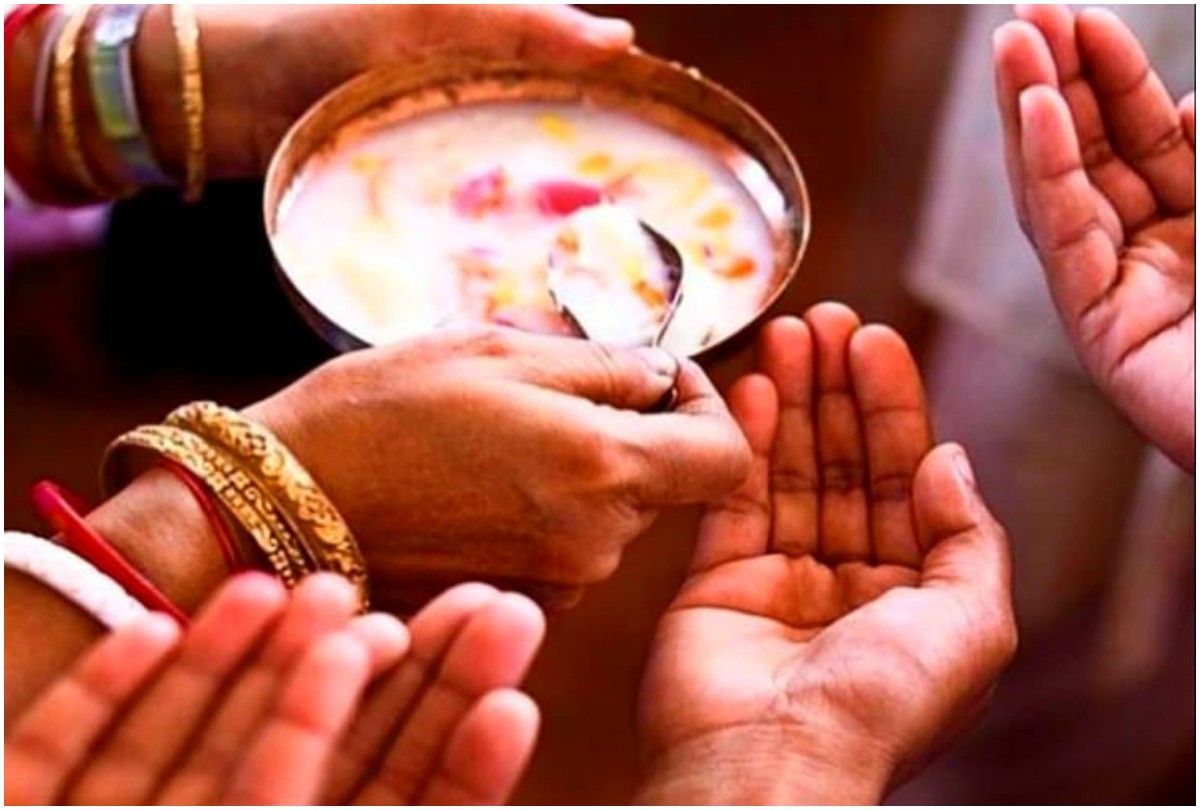
 Curd, a staple in many traditional diets around the world, has been cherished for centuries for its unique taste and numerous health benefits. Known as “dahi” in India, curd is essentially fermented milk, rich in probiotics that promote gut health and overall well-being. Historical records suggest that curd was an integral part of ancient Indian cuisine and medicine, revered for its cooling properties and nutritional value. From the Vedic texts to Ayurvedic practices, curd has been celebrated not just as a food, but as a remedy and a dietary cornerstone. Its preparation, consumption, and the wisdom surrounding its use have been passed down through generations, making it a timeless superfood that bridges the gap between tradition and modern nutrition.
 Curd, often referred to as “dahi” in South Asian countries, is a fermented dairy product created by curdling milk with a bacterial starter culture. The process involves adding a small amount of a previous batch of curd or a bacterial culture to warm milk and allowing it to ferment over several hours. This fermentation process transforms the milk into a thick, creamy substance that is rich in probiotics, which are beneficial bacteria that aid in digestion and promote gut health.
 Yogurt: Made using specific strains of bacteria, usually Lactobacillus bulgaricus and Streptococcus thermophilus. The production of yogurt is more standardized and controlled, resulting in a consistent product. Yogurt often has a smoother texture and can come in various flavors, whereas curd is usually plain.Greek Yogurt is a thicker version of yogurt as more whey is strained out of it.
 Cultural Significance
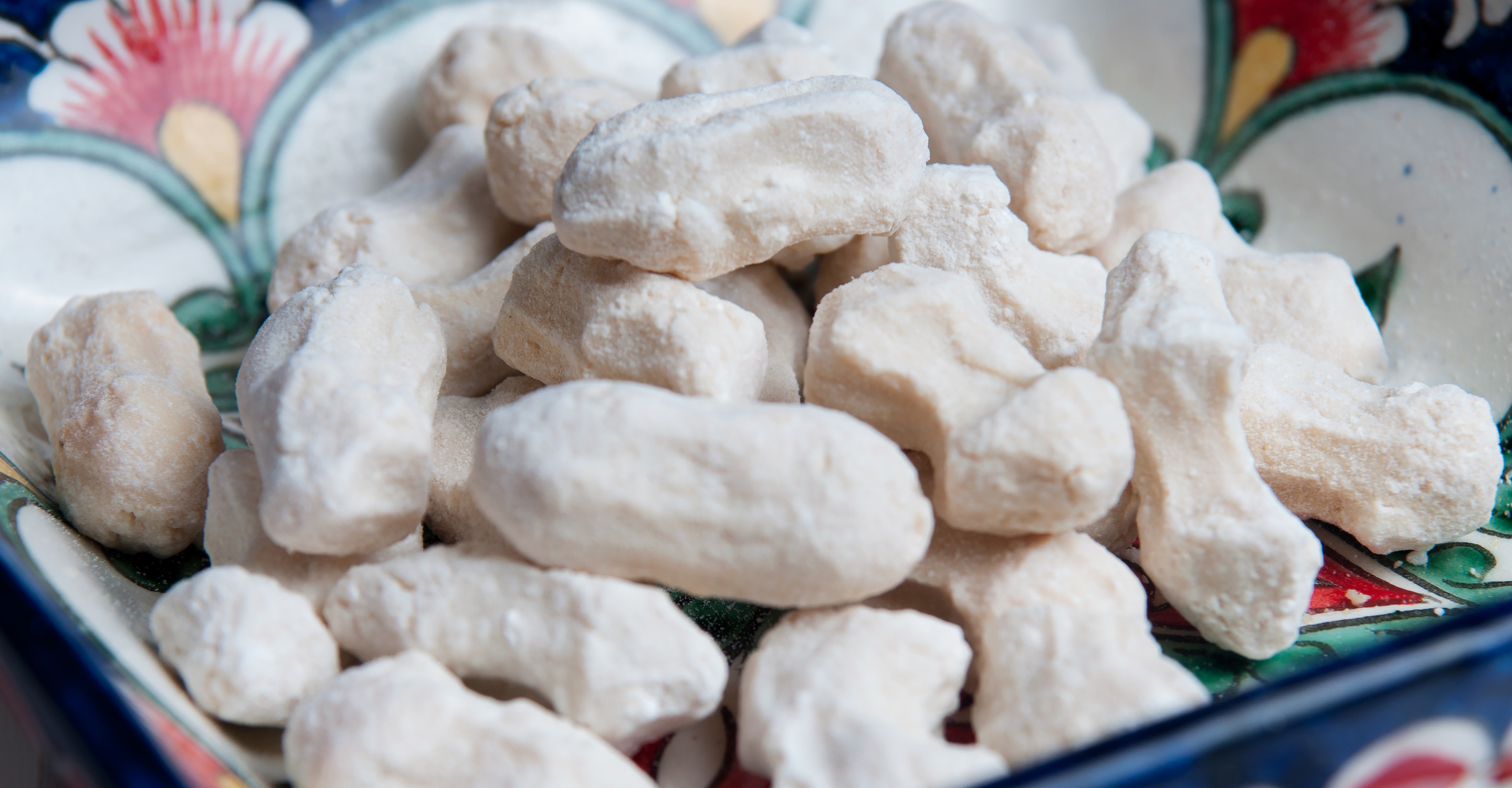 As civilizations grew and trade routes expanded, the knowledge and techniques of curd-making spread to other parts of the world. The Greeks and Romans, who valued fermented foods for their health benefits, adopted and adapted these methods. Over time, the practice of fermenting milk evolved into various forms, leading to the creation of different types of cultured dairy products, including yogurt and kefir.
 Today, curd remains a staple in many cuisines around the world. In India, it continues to be a dietary mainstay, used in a wide range of dishes from savory curries to refreshing drinks like lassi. Its probiotic benefits are now widely recognized by modern science, reaffirming the ancient wisdom of its health-promoting properties.
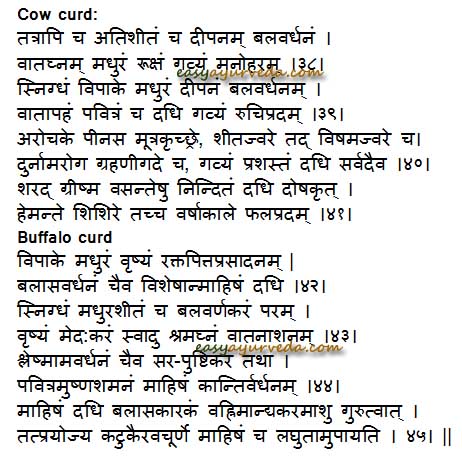 Curd, or “dahi,” has been celebrated in ancient Indian texts for its myriad health benefits. The wisdom of these texts, especially Ayurveda, highlights curd’s role in promoting overall health and well-being. One of the key ancient texts, Pakadarpanam, elaborates on the therapeutic properties of curd.
 Ayurveda, the ancient system of medicine in India, provides detailed guidelines on how to consume curd for maximum health benefits:
 Differences Between Traditional and Mass-Produced Curd
 Lactose intolerance is a common condition where individuals lack sufficient levels of lactase, the enzyme needed to digest lactose, a sugar found in milk and dairy products. This deficiency can lead to symptoms such as bloating, gas, and diarrhea after consuming dairy. However, true curd often proves to be an exception and is digestible for many people with lactose intolerance. Here’s why:
 Creating a Starter from Scratch: If you don’t have a previous batch of curd to use as a starter, you can create one using natural ingredients:
 Prepare the Earthen Pot:
 Online Options:
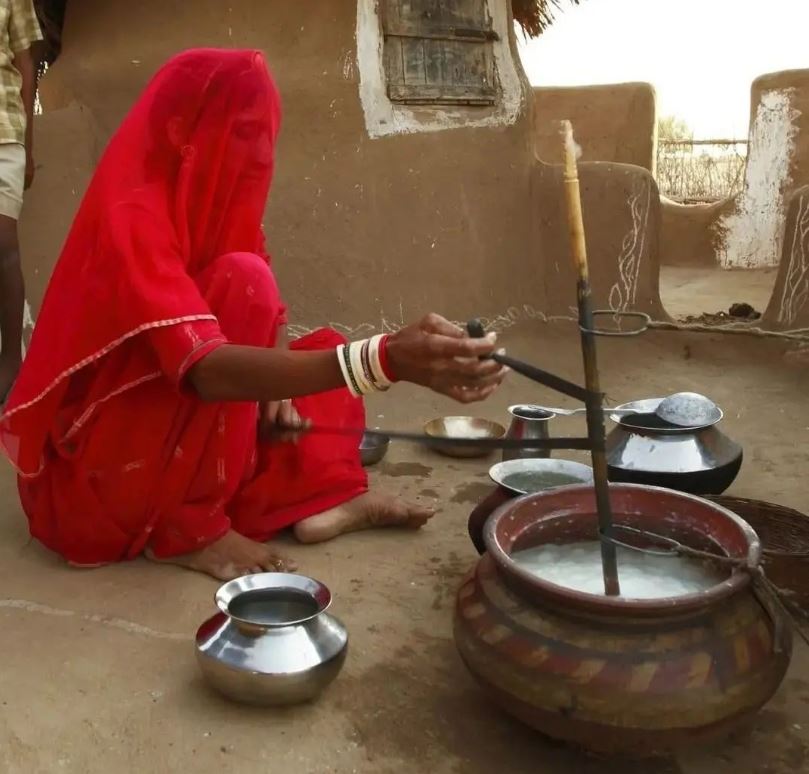 The traditional Indian process of churning curd to make ghee, known as ‘bilona,’ involves a meticulous and age-old method. This process starts with setting curd from raw, unpasteurized milk in earthen pots. Once the curd is well-set, it is churned using a wooden churner, called a ‘bilona,’ in a rhythmic motion to separate the butterfat from the buttermilk. This butterfat is then boiled to produce pure ghee. Consuming curd and ghee made through the bilona method ensures higher nutrient retention, including essential fatty acids, vitamins, and probiotics. Moreover, the women who traditionally performed this churning benefited significantly from the physical activity involved. The consistent, repetitive motion required to churn the curd strengthened their core and pelvic floor muscles, promoting hormonal balance and overall reproductive health. This traditional practice not only yielded nutritious products but also contributed to the physical well-being of the women involved.
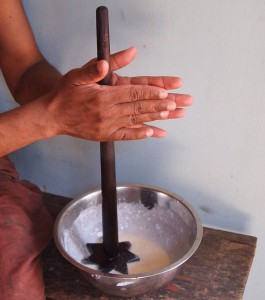 The primary scientific benefit of churning curd lies in its impact on molecular structure. Churning disrupts the proteins and fats within the curd, making them more accessible for digestion. This is particularly advantageous for individuals who struggle with digesting whole milk products. The process of churning leads to the formation of smaller fat globules and pre-digested proteins, which the intestines can process and assimilate more efficiently. This enhanced digestibility ensures that the body can absorb more nutrients from the curd.
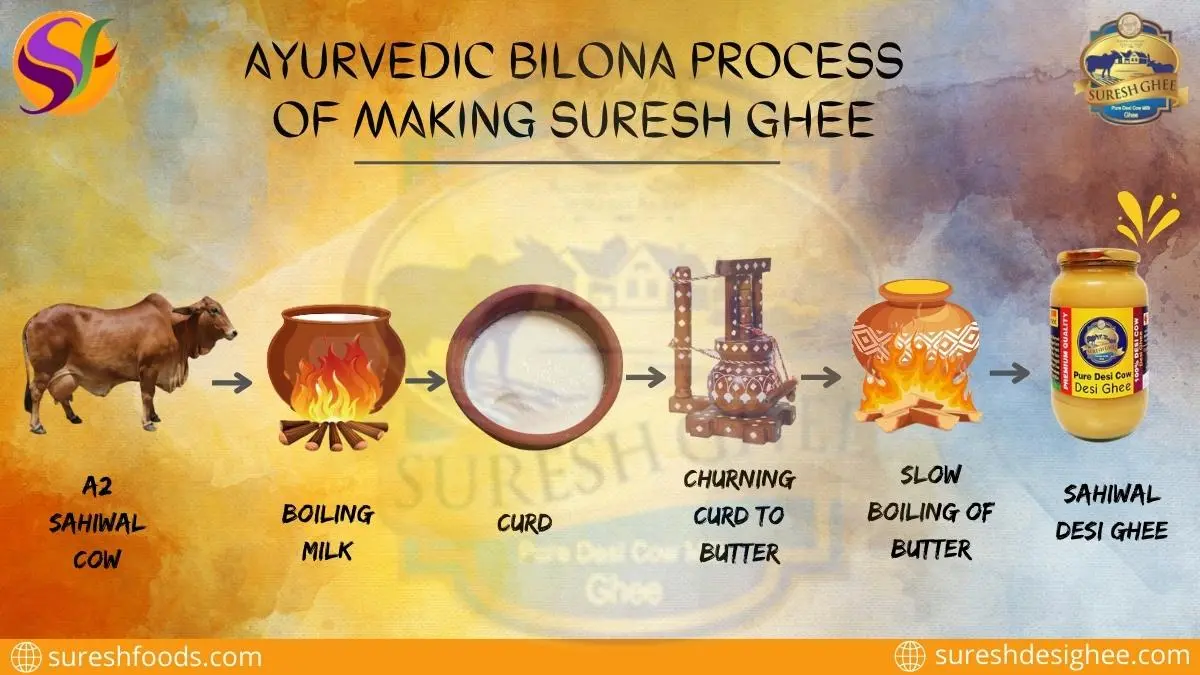 As the churning process continues, butter is produced. During this intermediate stage, the butterfat separates from the buttermilk. Butter is a semi-solid, creamy product that is high in healthy fats and fat-soluble vitamins such as A, D, E, and K. These vitamins are essential for various bodily functions, including maintaining healthy skin, vision, and immune response. The fats in butter provide a concentrated source of energy and support cellular health. Shelf life of well drained Butter is 5 to 7 days
 Digestive Issues
 Bone Health
 Curd Rice
 Sweet/Flavored Curd (e.g., Mango Srikhand, Strawberry Lassi)
 Curd in Naturally Fermented Dough (e.g., Bhatura, Thepla, Jalebi)
 Curd with Baking Soda in Instant Fluffy Dishes (e.g., Pancakes, Dhokla, Rava Idli)
 Curd in Vegetable Raita or Other Salad Dressings





























 Welcome to the intriguing realm of the vagus nerve, a vital component of our body’s intricate nervous system. Derived from the Latin word for “wandering,” the vagus nerve lives up to its name as it meanders through various organs and systems, connecting the brain to the gut and beyond. This extensive network serves as a two-way communication channel, transmitting crucial information between the brain and the body.
 The vagus nerve, scientifically known as the tenth cranial nerve or CN X, is one of the longest and most complex nerves in the body. It originates in the brainstem and extends down through the neck, chest, and abdomen, branching out to innervate various organs and tissues along its path. This extensive network allows the vagus nerve to serve as a crucial communication bridge between the brain and the body, facilitating bidirectional signaling that influences a myriad of physiological processes.
 Ancient Indian wisdom, deeply rooted in traditions such as Ayurveda and Yoga, offers profound insights into the functioning of the human body and mind, including the role of the vagus nerve. In Ayurveda, the concept of the “prana vayu” or life force parallels the modern understanding of the vagus nerve’s vital role in regulating bodily functions. According to Ayurvedic principles, the flow of prana vayu through the body is crucial for maintaining health and vitality, with specific emphasis on the connection between the gut and the brain.
 A vagus nerve reset can be beneficial for individuals experiencing symptoms of vagus nerve dysfunction, which can arise from various causes. Those who may benefit from a vagus nerve reset include:
 Reduced Stress and Anxiety: A healthy vagus nerve helps regulate the body’s stress response, leading to decreased levels of cortisol, the stress hormone. For example, engaging in deep breathing exercises activates the vagus nerve, promoting relaxation and reducing anxiety levels.
 Deep Breathing Exercises:
 Benefits of Belly Breathing: Belly breathing, also known as diaphragmatic breathing, is preferred over chest breathing for several reasons. When you breathe deeply into your belly, you engage the diaphragm muscle, which allows for deeper inhalation and exhalation. This type of breathing activates the vagus nerve more effectively, triggering the relaxation response in the body. Additionally, belly breathing helps to fully oxygenate the body, promoting better circulation and oxygen delivery to all organs and tissues.
 Meditation:
 Additional Meditation Aids: Explore different meditation aids to enhance your practice and deepen your experience. Experiment with chanting “Om” or other soothing mantras to help quiet the mind and attune to a higher frequency. You may also incorporate binaural beats or sound therapy, using specially designed audio tracks to induce states of relaxation and focus. Alternatively, try meditating with a singing bowl, allowing the resonance of the sound to guide you into a meditative state. Remember, the goal is not to eliminate all thoughts but to cultivate a sense of presence and inner peace.
 Method: Laughter therapy, also known as humor therapy, is a delightful way to uplift your spirits and promote overall well-being. To engage in laughter therapy, immerse yourself in activities that induce genuine laughter and joy. This could involve watching a funny movie, attending a stand-up comedy show, spending time with humorous friends, or engaging in playful activities that tickle your funny bone. Additionally, consider exploring funny posts on social media, sharing laughter with friends and family, or even joining laughter clubs where you can participate in laughter yoga exercises. For a dose of pure, unadulterated joy, observe the infectious laughter of happy, innocent children being silly and having fun. And if you’re feeling adventurous, why not indulge in a tickling session to elicit hearty laughter and genuine smiles?
 Method: Cold exposure is an invigorating practice that can awaken your senses and boost your resilience. To engage in cold exposure, consider taking a cold shower , using cold compresses on your back or splashing cold water on your face. Alternatively, immerse your face in a bowl of ice water for a few seconds. Additionally, you might explore ancient practices from cold countries, such as jumping into a cold lake in the morning or leaving babies outside in snowy weather periodically. These practices are believed to reset the body by engaging in a controlled form of “survival mode” for a short amount of time, promoting vitality and resilience.
 Method: Singing or humming is a delightful way to express yourself and uplift your spirits. To engage in this practice, choose your favorite song or simply hum a tune that resonates with you. Focus on engaging the muscles in your throat and chest as you produce sound, whether through singing or humming.
 Method: Yoga and pranayama, the practice of breath control, offer a holistic approach to nurturing both the body and mind. Begin by practicing gentle yoga poses that emphasize deep breathing and relaxation, such as child’s pose, cat-cow, or legs up the wall. Allow yourself to sink into each posture, finding a balance between effort and ease.
 Method: Engaging in gentle exercises like Tai Chi offers a harmonious blend of movement, mindfulness, and breathwork. Begin by practicing the flowing movements and deep breathing exercises of Tai Chi, focusing on slow, deliberate movements and mindful awareness. Allow the rhythm of your breath to guide each movement, creating a seamless flow of energy throughout your body.
 Positive Affirmations and Compliments:
 Method: Ear stimulation offers a simple yet effective way to awaken your senses and promote overall well-being. Begin by gently massaging the outer ear, paying attention to the various curves and ridges. Alternatively, you can use a small vibrating device to stimulate the ear canal, creating a gentle sensation that reverberates throughout the ear.
 In various holistic healing traditions, such as traditional Chinese medicine and Ayurveda, specific parts of the ear are believed to correspond to different body parts and organs. By massaging certain areas of the ear, you can stimulate these corresponding body parts, promoting balance and harmony within the body.
 Aromatherapy:
 Method: Progressive Muscle Relaxation (PMR) is a technique that involves systematically tensing and then relaxing each muscle group in the body, leading to a deep sense of relaxation and release. Begin by finding a comfortable and quiet space where you can lie down or sit in a relaxed position. Close your eyes and take a few deep breaths to center yourself. Starting from your toes, tense the muscles in each body part for about 5-10 seconds, then release the tension completely, allowing the muscles to relax fully. Move gradually up through your body, tensing and relaxing each muscle group, including your legs, abdomen, chest, arms, shoulders, neck, and face.
 Acupressure:
 Guidelines for self-acupressure include applying steady pressure to the acupressure point for about 30 seconds to one minute, then releasing and repeating as needed. Practice self-acupressure regularly, ideally daily or whenever you feel tension or discomfort in your body. You can perform acupressure techniques at any time of day, but many people find it beneficial to incorporate them into their morning or bedtime routines to promote relaxation and stress relief. Listen to your body’s cues and adjust the pressure and duration of acupressure accordingly to suit your individual needs and preferences.
 Gargling: Gargling with warm salt water or herbal infusions not only promotes oral health but also stimulates the vagus nerve, which plays a crucial role in regulating various bodily functions, including digestion, heart rate, and stress response. The act of gargling activates the muscles in the throat and mouth, which in turn stimulates the vagus nerve. To enhance the vagal response, try gargling for longer durations or incorporating gentle humming sounds while gargling. Practice gargling regularly, especially after meals or before bedtime, to support optimal vagal tone and overall well-being.
 Grounding Techniques: Grounding techniques help to activate the vagus nerve by promoting a sense of safety and security in the body. By grounding yourself in the present moment and connecting with the earth’s energy, you can stimulate the vagus nerve and support its function. Practice grounding techniques such as deep breathing, mindfulness meditation, or spending time in nature to enhance vagal tone and reduce stress and anxiety. Focus on sensations of stability and support as you connect with the earth beneath you, allowing the grounding energy to flow through your body and activate the vagus nerve.
 Incorporating vagus nerve stimulation techniques into your daily routine holds the key to unlocking a deeper sense of relaxation, resilience, and vitality. Through practices like deep breathing, meditation, and yoga, you can activate your body’s innate ability to reduce stress and promote balance. As you embark on this journey of self-discovery, approach each practice with openness and patience, allowing yourself to fully experience the transformative power within.