

Emotional dysregulation in ADHD is not a failure of character but a predictable outcome of neurobiology, executive function limitations, and misaligned environments; when understood through this lens, the path forward shifts from forcing control to designing systems that enable it. By integrating cognitive strategies, physiological regulation, environmental structuring, and supportive ecosystems across schools, workplaces, and families, individuals can transform impulsive reactions into informed responses, convert emotional intensity into insight and creativity, and build reliable patterns of self-regulation. The real breakthrough lies in replacing self-blame with system design, treating progress as iterative experimentation, and constructing a personalized regulation playbook—allowing those with ADHD not just to manage their challenges, but to channel their unique strengths into consistent, meaningful contribution.
ADHDನಲ್ಲಿ ಕಾಣುವ ಭಾವನಾತ್ಮಕ ನಿಯಂತ್ರಣದ ಅಸಮರ್ಥತೆ ವ್ಯಕ್ತಿತ್ವದ ದೋಷವಲ್ಲ; ಅದು ನರಜೈವಿಕ ವ್ಯವಸ್ಥೆ, ಕಾರ್ಯನಿರ್ವಹಣಾ ಕಾರ್ಯಗಳ ಮಿತಿಗಳು ಮತ್ತು ಹೊಂದಿಕೆಯಾಗದ ಪರಿಸರಗಳ ಪರಿಣಾಮವಾಗಿ ಉಂಟಾಗುವ ನಿರೀಕ್ಷಿತ ಸ್ಥಿತಿ. ಇದನ್ನು ಈ ದೃಷ್ಟಿಕೋಣದಿಂದ ಅರ್ಥಮಾಡಿಕೊಂಡಾಗ, ನಿಯಂತ್ರಣವನ್ನು ಬಲವಂತವಾಗಿ ಸಾಧಿಸುವುದರಿಂದ ವ್ಯವಸ್ಥೆಗಳನ್ನು ರೂಪಿಸುವತ್ತ ಗಮನ ಹರಿಸುವುದು ಮುಖ್ಯವಾಗುತ್ತದೆ. ಜ್ಞಾನಾತ್ಮಕ ತಂತ್ರಗಳು, ದೈಹಿಕ ನಿಯಂತ್ರಣ, ಪರಿಸರ ವಿನ್ಯಾಸ ಮತ್ತು ಶಾಲೆಗಳು, ಕೆಲಸದ ಸ್ಥಳಗಳು ಹಾಗೂ ಕುಟುಂಬಗಳಲ್ಲಿ ಸಹಾಯಕ ವ್ಯವಸ್ಥೆಗಳನ್ನು ಸಮಗ್ರವಾಗಿ ಜೋಡಿಸುವ ಮೂಲಕ, ವ್ಯಕ್ತಿಗಳು ತಕ್ಷಣದ ಪ್ರತಿಕ್ರಿಯೆಗಳನ್ನು ಯುಕ್ತಿಯುಕ್ತ ಪ್ರತಿಕ್ರಿಯೆಗಳಾಗಿ ಪರಿವರ್ತಿಸಬಹುದು, ಭಾವನಾತ್ಮಕ ತೀವ್ರತೆಯನ್ನು ಒಳನೋಟ ಮತ್ತು ಸೃಜನಾತ್ಮಕತೆಯಾಗಿ ರೂಪಿಸಬಹುದು ಮತ್ತು ವಿಶ್ವಾಸಾರ್ಹ ಸ್ವ-ನಿಯಂತ್ರಣ ಮಾದರಿಗಳನ್ನು ನಿರ್ಮಿಸಬಹುದು. ನಿಜವಾದ ಬದಲಾವಣೆ ಸ್ವ-ನಿಂದೆಯಿಂದ ವ್ಯವಸ್ಥಾ ವಿನ್ಯಾಸದತ್ತ ಸಾಗುವಲ್ಲಿ, ಪ್ರಗತಿಯನ್ನು ಪುನರಾವರ್ತಿತ ಪ್ರಯೋಗಗಳಾಗಿ ಪರಿಗಣಿಸುವಲ್ಲಿ ಮತ್ತು ವೈಯಕ್ತಿಕ ನಿಯಂತ್ರಣ ವ್ಯವಸ್ಥೆಯನ್ನು ರೂಪಿಸುವಲ್ಲಿ ಅಡಗಿದೆ—ಇದು ADHD ಹೊಂದಿರುವವರಿಗೆ ಕೇವಲ ಸವಾಲುಗಳನ್ನು ನಿರ್ವಹಿಸುವುದಷ್ಟೇ ಅಲ್ಲ, ತಮ್ಮ ವಿಶಿಷ್ಟ ಸಾಮರ್ಥ್ಯಗಳನ್ನು ಸ್ಥಿರ ಮತ್ತು ಅರ್ಥಪೂರ್ಣ ಕೊಡುಗೆಯಾಗಿ ರೂಪಿಸಲು ಸಹಾಯ ಮಾಡುತ್ತದೆ.
Navigating the ADHD Brain: A Deep Guide to Emotional Regulation, Identity, and Adaptive Mastery
- Introduction: The Invisible Battlefield of ADHD
Emotional dysregulation in ADHD is not a character flaw—it is a neurobiological timing and regulation challenge. The path forward is not discipline alone, but designing environments, systems, and internal awareness that work with the ADHD brain rather than against it.
This article expands the discussion beyond symptoms into mechanisms, lived realities, systemic gaps, and actionable interventions, offering a structured roadmap for individuals, caregivers, educators, and social organizations to enable sustainable emotional mastery.
Intended Audience and Purpose
Audience:
- Individuals with ADHD (children, adolescents, adults)
- Parents and caregivers navigating behavioral complexities
- Educators working within structured learning environments
- Therapists and mental health practitioners
- Social impact organizations aiming to build inclusive ecosystems
Purpose:
- To reframe ADHD emotional dysregulation from pathology to neurodiversity.
- To provide scientifically grounded yet practical tools that translate into daily life.
- To enable self-sustaining emotional ecosystems that reduce dependency on constant supervision or correction.
- To bridge the gap between clinical understanding and lived experience, ensuring insights are actionable, not abstract.
Reframing ADHD: Beyond the Deficit Narrative
The dominant narrative around ADHD has historically been reductionist—focused narrowly on attention deficits, hyperactivity, and behavioral disruption. This lens is not just incomplete; it is misleading.
ADHD is fundamentally a self-regulation disorder, affecting three intertwined domains:
- Attention regulation (what to focus on)
- Behavioral regulation (what to do or inhibit)
- Emotional regulation (how intensely and how long to feel)
Among these, emotional regulation is often the most destabilizing yet least formally addressed. It operates silently in the background, influencing every visible outcome—from academic performance to interpersonal conflict.
This misalignment creates a dangerous pattern:
- The visible behaviors (anger, withdrawal, impulsivity) are addressed.
- The invisible drivers (emotional dysregulation, overwhelm, cognitive overload) are ignored.
The result is chronic misunderstanding. Individuals are labeled as:
- “Overreactive”
- “Too sensitive”
- “Difficult”
- “Lacking discipline”
In reality, they are often neurologically unequipped—at that moment—to regulate emotional intensity at the speed expected by their environment.
The Invisible Load: What the World Does Not See
To understand ADHD emotional dysregulation, one must examine not just outward behavior, but internal experience.
An individual with ADHD may:
- Experience emotions with higher amplitude (stronger intensity)
- Process them with lower latency control (faster onset, slower inhibition)
- Recover with greater difficulty (longer emotional hangover)
This creates a lived experience that feels like:
- Being “hijacked” by emotions
- Knowing what to do—but being unable to execute in time
- Regretting reactions almost immediately after they occur
This gap between intention and execution is the core psychological burden.
Over time, repeated failures to regulate emotions lead to:
- Internalized shame
- Learned helplessness
- Identity distortion (“I am the problem”)
This is where ADHD stops being a cognitive issue and becomes an existential one.
Key Reality Check: Where the Impact Truly Lands
Emotional dysregulation does not stay confined within the individual—it propagates outward, affecting every major life domain.
- Relationships
- Minor misunderstandings escalate quickly
- Emotional intensity may overwhelm partners, peers, or family
- Cycles of reaction → regret → apology → repetition create instability
- Career Stability
- Difficulty handling feedback or criticism
- Emotional responses may be perceived as unprofessional
- Inconsistent performance due to mood variability
- Self-Worth
- Repeated emotional “failures” erode confidence
- Comparison with neurotypical peers deepens inadequacy
- Identity becomes anchored in perceived weakness rather than potential
- Decision-Making Consistency
- Emotions override long-term reasoning
- Impulsive decisions replace strategic thinking
- Difficulty maintaining alignment with goals
The Systemic Blind Spot
Modern systems—schools, workplaces, and even families—are designed around neurotypical regulation speeds and expectations.
They assume:
- Emotional control is immediate
- Rational thinking precedes reaction
- Consistency is a default state
For individuals with ADHD, these assumptions are structurally incompatible.
This creates a systemic failure loop:
- The individual is expected to adapt to the system
- The system does not adapt to neurological diversity
- The resulting friction is interpreted as personal failure
This is not just inefficient—it is unjust.
A Shift in Strategy: From Correction to Design
The traditional approach to ADHD emotional challenges is rooted in:
- Correction (“control yourself”)
- Suppression (“don’t react”)
- Motivation (“try harder”)
These approaches fail because they ignore biology.
A more effective model is design-based regulation, which includes:
- External systems that reduce cognitive load
- Environmental modifications that prevent triggers
- Pre-planned responses that bypass real-time decision-making
In essence:
You do not rise to the level of your intentions—you fall to the level of your systems.
Setting the Direction for This Article
This article will move beyond surface-level advice and into:
- Neurobiological mechanisms that explain why regulation fails
- Executive function breakdowns that shape emotional responses
- Hidden strengths that can be harnessed strategically
- Evidence-based interventions across cognitive, behavioral, and environmental domains
- System-level redesign for schools, workplaces, and communities
The goal is not temporary coping—but durable transformation through alignment.
Final Thought for This Section
If ADHD is approached as a problem of willpower, it will remain a lifelong struggle.
If it is understood as a problem of regulation and system design, it becomes manageable—and even optimizable.
That distinction is not academic.
It is the difference between survival and self-mastery.

The Neurobiology of Emotional Dysregulation
If the first section reframed ADHD as a regulation challenge, this section explains why that challenge exists at a biological level. Without this clarity, interventions remain superficial. With it, strategies become precise, compassionate, and effective.
- Developmental Lag, Not Deficit
One of the most critical distinctions in understanding ADHD is this:
the brain is not incapable—it is developing on a different timeline.
Neuroimaging studies consistently show a 2–3 year delay in cortical maturation, particularly in regions responsible for executive functioning.
Key Brain Regions Affected
- Prefrontal Cortex (PFC)
Responsible for:- Planning and foresight
- Inhibitory control (“pause before acting”)
- Emotional modulation
- Anterior Cingulate Cortex (ACC)
Responsible for:- Error detection (“something is off”)
- Conflict monitoring
- Emotional awareness and regulation
In ADHD, these regions are:
- Structurally slower to mature
- Functionally less synchronized
Implication: The Performance Gap
This leads to a crucial insight:
ADHD is not a knowledge deficit—it is a performance inconsistency.
Individuals often:
- Know the right response
- Intend to act appropriately
- Fail to execute in real time
This gap creates external misunderstanding and internal frustration. The person is judged on output, while the challenge lies in timing and activation.
- The PFC–Amygdala Imbalance
At the core of emotional dysregulation lies a functional imbalance between two systems:
The Amygdala: The Alarm System
- Detects threat (real or perceived)
- Triggers rapid emotional responses
- Prioritizes survival over accuracy
In ADHD:
- The amygdala is often hyper-reactive
- Neutral situations may be misinterpreted as emotionally significant
The Prefrontal Cortex: The Braking System
- Evaluates context
- Applies logic and restraint
- Regulates emotional output
In ADHD:
- The PFC is underactive or delayed in engagement
The Critical Timing Problem
The issue is not just imbalance—it is sequence failure.
In a neurotypical brain:
Emotion → Reflection → Response
In the ADHD brain:
Emotion → Reaction → Justification
By the time the PFC engages:
- The reaction has already occurred
- The brain shifts into post-hoc rationalization
This explains why individuals often say:
- “I didn’t mean to react that way”
- “I knew better, but it happened anyway”
This is not avoidance of responsibility—it is evidence of delayed regulatory activation.
- Neurochemical Instability
Beyond structure and circuitry, ADHD is deeply influenced by neurotransmitter dynamics, particularly dopamine and norepinephrine.
Dopamine: The Motivation and Reward Signal
Dopamine governs:
- Reward anticipation
- Motivation
- Task engagement
In ADHD:
- Baseline dopamine levels are lower
- Reward signals are weaker
Consequences
- Increased need for stimulation
- Low tolerance for boredom
- Rapid frustration when effort does not yield immediate reward
Emotionally, this manifests as:
- Irritability
- Restlessness
- Impatience
Norepinephrine: The Arousal Regulator
Norepinephrine controls:
- Alertness
- Focus
- Stress response
In ADHD, its regulation is inconsistent, leading to oscillation between:
- Hyper-arousal
- Anxiety
- Emotional reactivity
- Irritability
- Hypo-arousal
- Fatigue
- Emotional numbness
- Disengagement
The “Tired but Wired” Phenomenon
Many individuals experience a paradoxical state:
- Mentally exhausted
- Emotionally reactive
- Physically restless
This is not contradictory—it is neurochemically coherent given the instability of regulatory systems.
- Emotional Time Compression
One of the least discussed yet most impactful features of ADHD is temporal distortion in emotional experience.
The “Now vs Not Now” Brain
The ADHD brain categorizes experience into:
- Now (urgent, real, dominant)
- Not Now (irrelevant, inaccessible)
This creates a form of emotional time compression, where:
- Current emotions dominate perception
- Past coping success is inaccessible
- Future consequences feel abstract
How Emotions Are Experienced
Emotions are perceived as:
- Immediate → no perceived buffer
- Absolute → no competing perspective
- Permanent → difficulty imagining resolution
This explains statements like:
- “This always happens to me”
- “I’ll never get over this”
Even when the individual intellectually knows otherwise, the emotional system overrides temporal reasoning.
Functional Consequences
- Minor setbacks escalate into major emotional events
- Recovery is delayed because perspective is unavailable
- Decision-making becomes emotionally anchored rather than strategically guided
Integrating the Model
When these four factors combine, they create a predictable pattern:
- Slower regulatory development
- Faster emotional activation
- Weaker neurochemical stabilization
- Distorted perception of emotional duration
The result is not random—it is systemically driven dysregulation.
Actionable Insight: What This Means for Intervention
Understanding neurobiology shifts strategy from control to compensation:
- If regulation is delayed → build pauses externally
- If emotions escalate quickly → reduce trigger exposure
- If memory fails under stress → externalize coping tools
- If time perception is distorted → introduce temporal anchors (timers, routines)
In other words:
You do not fix the brain in the moment—you design around its predictable patterns.
Closing Insight for This Section
Emotional dysregulation in ADHD is not chaos—it is patterned, predictable, and therefore manageable.
Once the biology is understood, the question shifts from:
- “Why can’t this person control themselves?”
to:
- “What system is missing that would make control possible?”
That shift is where real transformation begins.
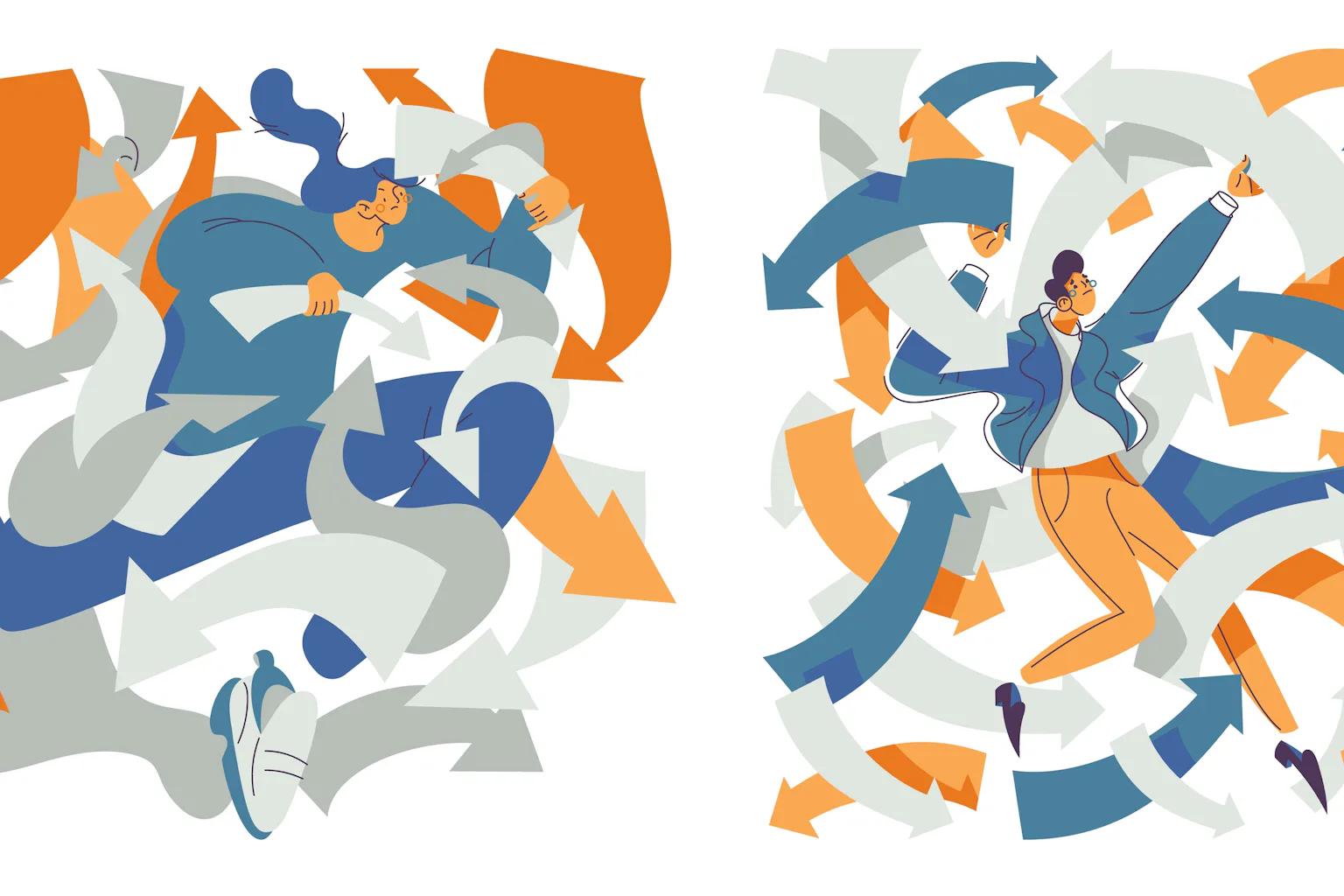
III. Executive Function Breakdown: The Core Mechanism
If neurobiology explains the hardware limitations, executive functions represent the software layer—the set of cognitive processes that manage behavior, emotion, and decision-making in real time.
In ADHD, this “software” is not absent, but inconsistently available, especially under emotional load. The result is not a lack of intelligence or awareness, but a breakdown in moment-to-moment self-management.
Understanding this layer is critical because most real-world failures occur here—not in knowledge, but in execution under pressure.
- Impulse Control Deficit: The Speed Mismatch
At its core, impulse control is the ability to insert a pause between stimulus and response. In ADHD, this pause is either too short or entirely bypassed.
What Happens Internally
- Emotional stimulus is registered
- The response is initiated before cognitive evaluation completes
- The regulatory system arrives late to the event
How It Manifests
Emotional expression becomes:
- Immediate → little to no delay
- Intense → disproportionate to the trigger
- Unfiltered → minimal modulation based on context
This is why individuals may:
- Interrupt conversations
- React sharply to minor provocations
- Express emotions they later regret
Critical Insight
This is not a failure of values or upbringing. It is a timing deficit in inhibitory control.
The individual often “knows better”—but knowing is slower than reacting.
- Emotional Perseveration (“Stickiness”): The Inability to Let Go
While impulse control explains how emotions start, perseveration explains why they don’t stop.
The Core Problem
Once an emotional state is activated, the ADHD brain struggles to:
- Shift attention away from it
- Recontextualize it
- De-escalate it efficiently
Resulting Patterns
- Rumination loops
Replaying the same thought, mistake, or interaction repeatedly - Emotional amplification
Each replay reinforces the emotional charge - Prolonged distress cycles
What should last minutes extends into hours—or longer
Why It Happens
- Weak cognitive flexibility (difficulty shifting mental states)
- Heightened emotional salience (the brain tags the event as “important”)
Practical Consequence
A single negative interaction can:
- Dominate an entire day
- Distort perception of unrelated events
- Reinforce negative self-beliefs
- Frustration Intolerance: The Low Threshold for Disruption
Frustration tolerance is the ability to endure delay, difficulty, or imperfection without emotional escalation. In ADHD, this threshold is significantly lower.
Triggers Include
- Delay → waiting, slow progress
- Complexity → multi-step tasks, ambiguity
- Uncertainty → unclear outcomes, lack of immediate feedback
Underlying Mechanisms
- Dopamine deficiency reduces reward anticipation
- Effort feels disproportionately costly compared to reward
Behavioral Outcomes
- Task abandonment
- Irritability or anger outbursts
- Avoidance of challenging situations
Hidden Cost
Over time, this leads to:
- Reduced skill development
- Fear of effort-based tasks
- A cycle of avoidance reinforcing incompetence
- Time Blindness: The Collapse of Emotional Perspective
Time blindness is not just about missing deadlines—it fundamentally alters emotional experience.
Core Distortion
The ADHD brain struggles to:
- Accurately perceive duration
- Connect present feelings to past experiences
- Project into the future
Emotional Consequences
- Current emotions feel:
- Eternal
- Definitive
- Unchangeable
- Difficulty believing:
- “This will pass”
- “I’ve handled this before”
Decision-Making Impact
- Short-term emotional relief is prioritized over long-term outcomes
- Reactions are driven by present intensity, not future consequence
Example
A minor failure may feel like:
- A permanent identity judgment
- Evidence of lifelong inadequacy
Even when logically false, the emotional system overrides temporal reasoning.
- Working Memory Failure: Losing Access to Wisdom in Real Time
Working memory is the ability to hold and manipulate information in the present moment. It is essential for applying coping strategies.
What Breaks Down
During emotional activation:
- Previously learned strategies are not accessible
- Perspective narrows dramatically
- Context is lost
Result
- The individual cannot recall:
- “What worked last time”
- “What I should do instead”
- “Why this situation is not catastrophic”
This Creates a Paradox
- Outside the moment → highly insightful
- Inside the moment → functionally impaired
Implication
Advice like:
- “You know what to do”
- “Just calm down”
…is ineffective because the brain cannot retrieve that knowledge under stress.
Integrating the Breakdown: A System Failure, Not Isolated Issues
These five deficits do not operate independently—they interact dynamically:
- Poor impulse control triggers reactions
- Emotional stickiness sustains them
- Frustration intolerance escalates them
- Time blindness magnifies them
- Working memory failure prevents correction
The result is a closed-loop system of dysregulation.
Actionable Insight: Designing Around Executive Function Limits
Effective intervention requires external compensation, not internal pressure.
- Pre-Commitment Systems
- Decide responses before emotional situations arise
- Example: predefined scripts for conflict
- External Memory Supports
- Visual cues
- Written coping strategies
- Reminders accessible during stress
- Friction Reduction
- Simplify tasks to reduce frustration triggers
- Break complexity into manageable steps
- Emotional Interrupt Mechanisms
- Physical movement
- Environmental shifts
- Timed pauses
- Time Anchoring
- Use timers and structured routines
- Reinforce the idea: emotions have duration, not permanence
Closing Insight for This Section
Executive dysfunction in ADHD is not a series of isolated weaknesses—it is a predictable breakdown in the orchestration of mental processes under load.
The implication is powerful:
You cannot rely on internal control alone.
You must build systems that carry the load when cognition cannot.
Once this shift is made, emotional regulation stops being a daily battle—and becomes a designed capability.

Expanded Emotional Challenges in ADHD
If executive dysfunction explains how regulation breaks down, this section examines what that breakdown produces over time—the deeper emotional patterns, identity shifts, and psychological burdens that shape a person’s life trajectory.
These are not secondary effects. They are core lived realities that often determine whether an individual with ADHD merely copes—or progressively disengages from their potential.
- Rejection Sensitive Dysphoria (RSD): The Pain Amplifier
Rejection Sensitive Dysphoria is one of the most intense and misunderstood aspects of ADHD. It is not simple sensitivity—it is a disproportionate emotional response to perceived rejection or criticism, often experienced as acute psychological pain.
Core Triggers
- Direct criticism (even when constructive)
- Perceived disapproval (tone, facial expression, silence)
- Failure to meet expectations
- Social comparison
Internal Experience
- Sudden emotional “drop” or spike
- Overwhelming sense of:
- Shame
- Worthlessness
- Emotional exposure
The intensity is such that individuals often describe it as:
- “Physically painful”
- “All-consuming”
- “Impossible to ignore”
Behavioral Adaptations
To avoid this pain, individuals unconsciously develop protective strategies:
- Avoidance
- Withdrawing from opportunities, relationships, or feedback
- Preferring inaction over potential rejection
- Overachievement
- Striving for perfection to preempt criticism
- Linking self-worth to flawless performance
- People-Pleasing
- Excessive accommodation of others
- Suppressing personal needs to maintain approval
Strategic Insight
RSD is not weakness—it is a miscalibrated threat detection system applied to social evaluation.
However, left unmanaged, it leads to life contraction, where safety replaces growth.
- Identity Instability: When Emotion Becomes Identity
Over time, repeated emotional dysregulation does not remain episodic—it becomes internalized as identity.
The Formation of Shame Loops
The cycle typically unfolds as:
- Emotional reaction → social or personal consequence
- Reflection → regret or embarrassment
- Repetition → pattern recognition
- Conclusion → “This is who I am”
Cognitive Distortions That Emerge
- “I always mess things up”
- “I am too much for people”
- “I cannot control myself”
These are not objective truths—they are narratives formed from repeated unregulated experiences.
Risk: Internalized Inadequacy
When identity fuses with dysregulation:
- Self-worth becomes fragile
- Effort feels futile
- Growth attempts are abandoned prematurely
This is where ADHD shifts from a regulatory condition to a self-concept disorder.
- Emotional Exhaustion Cycles: The Burnout Pattern
ADHD emotional intensity is not constant—it is cyclical.
The Cycle Structure
- Activation Phase
- High emotional engagement
- Intense focus, reaction, or investment
- Escalation Phase
- Increased emotional load
- Accumulation of stress, frustration, or overstimulation
- Burnout Phase
- Emotional depletion
- Withdrawal, numbness, or shutdown
- Recovery and Reactivation
- Temporary stabilization
- Re-entry into engagement → cycle repeats
Why This Happens
- Limited regulatory capacity is repeatedly exceeded
- Recovery mechanisms are insufficient or inconsistent
Real-World Impact
- Inconsistent productivity
- Unpredictable emotional availability in relationships
- Misinterpretation by others as laziness or disinterest
Key Insight
This is not a motivation issue—it is an energy regulation failure.
- Co-occurring Conditions: The Compounding Effect
ADHD rarely exists in isolation. Emotional dysregulation significantly increases the likelihood of comorbid psychological conditions, which in turn amplify the original challenges.
Common Overlaps
- Anxiety Disorders
- Constant anticipation of failure or criticism
- Heightened vigilance and overthinking
- Depression
- Result of chronic frustration, underachievement, or identity erosion
- Feelings of hopelessness and disengagement
- Oppositional Behaviors
- Resistance to authority or structure
- Often rooted in repeated negative feedback experiences
The Compounding Loop
- ADHD symptoms create emotional instability
- Emotional instability contributes to secondary conditions
- Secondary conditions intensify ADHD symptoms
This creates a multi-layered regulation challenge that cannot be addressed with single-dimensional solutions.
Integrative Perspective: The Cost of Misunderstanding
When these expanded challenges are not recognized:
- RSD is labeled as oversensitivity
- Identity instability is mistaken for low confidence
- Exhaustion cycles are seen as inconsistency
- Comorbid conditions are treated in isolation
The result is fragmented intervention—and limited progress.
Actionable Direction: Interrupting the Pattern
To address these challenges effectively:
- Normalize the Experience
- Separate identity from symptoms
- Replace:
- “I am the problem”
- With:
- “I am experiencing a pattern that can be redesigned”
- Build Emotional Awareness Before Control
- Track triggers and emotional cycles
- Identify:
- What activates intensity
- What prolongs it
- Create Safe Feedback Environments
- Reduce unpredictability in evaluation
- Encourage:
- Specific, constructive communication
- Delayed feedback where possible
- Address Comorbidities Holistically
- Integrated treatment plans
- Avoid treating anxiety or depression in isolation from ADHD
- Develop Recovery Systems
- Schedule decompression deliberately
- Treat rest as regulation, not reward
Closing Insight for This Section
The greatest risk in ADHD is not distraction—it is distortion of self.
Unchecked emotional dysregulation reshapes identity, narrows opportunity, and reinforces limitation.
But this process is reversible.
When emotional patterns are understood, named, and systematically redesigned,
the same intensity that once destabilized life can become a source of depth, resilience, and adaptive strength.

Biological and Environmental Amplifiers
If neurobiology sets the baseline and executive function determines real-time control, then biology and environment act as multipliers. They either stabilize the system—or quietly destabilize it.
This is where many interventions fail. Individuals attempt to fix emotional regulation at the moment of breakdown, while ignoring the upstream conditions that made the breakdown inevitable.
The reality is blunt:
Emotional dysregulation is often not triggered—it is accumulated.
- Sleep Dysregulation: The Foundational Disruptor
Sleep is not just rest—it is neurochemical recalibration. In ADHD, this system is inherently misaligned.
The Biological Challenge
- Delayed melatonin release shifts the natural sleep cycle later
- Difficulty initiating sleep despite fatigue
- Inconsistent sleep-wake timing
The Compounding Effect
Chronic sleep debt directly impairs:
- Emotional control → heightened reactivity, irritability
- Impulse regulation → reduced inhibitory capacity
- Executive function → slower processing, poor judgment
Even a single night of poor sleep can mimic or worsen ADHD symptoms. Over time, the effect is cumulative.
Hidden Pattern
Many individuals are:
- Functioning in a perpetual state of partial sleep deprivation
- Attempting emotional control with a neurologically compromised system
Actionable Interventions
- Establish fixed wake-up time (more critical than bedtime)
- Use light exposure strategically:
- Morning sunlight → advance circadian rhythm
- Evening light reduction → support melatonin release
- Introduce wind-down rituals:
- No cognitive stimulation 30–60 minutes before sleep
- Avoid compensatory behaviors:
- Late-night digital engagement
- Irregular weekend sleep patterns
Sleep is not a lifestyle choice in ADHD—it is a regulation prerequisite.
- Nutritional Instability: The Silent Trigger
The ADHD brain is highly sensitive to metabolic fluctuations, particularly blood glucose levels.
The Core Problem
- Irregular eating patterns
- Skipped meals due to hyperfocus
- Reliance on quick, low-nutrient foods
Physiological Impact
Blood sugar instability leads to:
- Sudden irritability (“hanger”)
- Reduced frustration tolerance
- Increased impulsivity
These shifts are often misattributed to personality or mood, when they are biologically driven.
Behavioral Pattern
- Hyperfocus → meal skipped
- Energy crash → emotional spike
- Reaction → regret
Actionable Interventions
- Pre-emptive nutrition, not reactive:
- Eat before hunger becomes extreme
- Prioritize:
- Protein (stabilizes energy)
- Complex carbohydrates (sustained release)
- Use environmental cues:
- Timers or alarms for meals
- Visible, ready-to-eat healthy options
Strategic Insight
Stabilizing blood sugar is one of the fastest ways to stabilize emotional volatility.
- Sensory Processing Sensitivity: The Hidden Overload
Many individuals with ADHD exhibit heightened sensitivity to sensory input, which directly feeds into emotional dysregulation.
Common Sensory Triggers
- Noise → background chatter, sudden sounds
- Light → bright or flickering environments
- Crowds → unpredictable, multi-directional stimuli
What Happens Internally
The brain misclassifies sensory input as:
- Urgent
- Threatening
- Requiring attention
This leads to:
- Cognitive overload
- Irritability
- Emotional shutdown or outburst
Why It Matters
Emotional reactions are often not about the event itself, but about the accumulated sensory burden leading up to it.
Actionable Interventions
- Create low-stimulation recovery zones
- Use:
- Noise-cancelling headphones
- Sunglasses or softer lighting
- Schedule sensory breaks throughout the day
- Reduce exposure before high-demand tasks
Managing sensory input is not comfort—it is preventive regulation.
- Digital Overstimulation: The Modern Amplifier
Digital environments are engineered to hijack attention and reward systems—precisely the areas already vulnerable in ADHD.
The Dopamine Loop
- Social media and gaming provide:
- Instant reward
- Constant novelty
- Intermittent reinforcement
This artificially elevates dopamine levels temporarily—but at a cost.
The After-Effect
- Reduced baseline dopamine sensitivity
- Increased boredom in non-digital tasks
- Lower tolerance for effort and delay
Emotional Consequences
- Irritability when disengaging
- Restlessness in low-stimulation environments
- Reduced emotional resilience
The Deeper Risk
The brain becomes conditioned to:
- Expect constant stimulation
- Avoid discomfort
- Seek immediate emotional relief
This directly undermines long-term emotional regulation capacity.
Actionable Interventions
- Digital Boundaries
- Define clear usage windows
- Avoid high-stimulation content:
- Early morning
- Before sleep
- Replace, Don’t Remove
- Substitute digital stimulation with:
- Physical activity
- Creative outlets
- Real-world interaction
- Introduce “Dopamine Fasting” Periods
- Intentional low-stimulation time
- Allow the brain to recalibrate baseline reward sensitivity
The goal is not elimination—but intentional engagement.
Integrative Insight: The Amplification Model
These four factors do not operate independently. They stack:
- Poor sleep → lowers emotional threshold
- Nutritional instability → increases irritability
- Sensory overload → accelerates escalation
- Digital overstimulation → reduces resilience
Together, they create a perfect storm where:
- Minor triggers produce major reactions
- Recovery becomes slower
- Regulation feels impossible
Strategic Shift: From Reaction to Prevention
Most individuals attempt to regulate emotions after escalation. This is inefficient.
A more effective model is pre-regulation, where:
- Biological systems are stabilized
- Environmental triggers are minimized
- Cognitive load is reduced
This transforms emotional regulation from:
- Crisis management
into:
- System management
Closing Insight for This Section
Emotional dysregulation is rarely caused by a single moment—it is the final expression of accumulated imbalance.
When sleep, nutrition, sensory input, and digital exposure are aligned,
the same brain that once felt chaotic begins to exhibit:
- Predictability
- Stability
- Control
You do not need to control every emotion.
You need to reduce the conditions that make control difficult.

The Hidden Strengths: ADHD Emotional Intelligence
The prevailing narrative around ADHD emphasizes deficit. That lens is incomplete—and strategically limiting.
When examined correctly, the same neurological traits that produce dysregulation also enable heightened emotional intelligence, adaptive responsiveness, and creative processing.
The goal is not to suppress intensity, but to convert it from volatility into capability.
What appears as dysfunction in one environment often becomes advantage in another.
- High Emotional Depth: Intensity as Signal, Not Weakness
Individuals with ADHD do not merely “feel more”—they process emotional input with greater amplitude and salience.
Reframing the Experience
- Emotional intensity is not excess—it is unfiltered data richness
- Feelings act as:
- Rapid feedback systems
- Early detection signals for misalignment
- Indicators of value, injustice, or opportunity
Operational Advantage
When regulated, this depth enables:
- Strong value-driven decision-making
- Authentic expression
- Heightened awareness of interpersonal dynamics
Risk Without Structure
- Emotional flooding
- Misinterpretation of signals
- Over-identification with temporary states
Actionable Conversion Strategy
- Shift from reaction to interpretation:
- Ask: “What is this emotion signaling?”
- Use journaling or reflection frameworks to:
- Translate intensity into insight
- Develop emotional vocabulary:
- Precision reduces overwhelm
Depth becomes power when it is decoded, not discharged impulsively.
- Rapid Adaptive Response in Crisis: Performance Under Pressure
While ADHD may impair performance in low-stimulation, routine environments, it often enhances functioning in high-intensity, fast-changing contexts.
Why This Happens
- Elevated baseline need for stimulation
- Faster pattern recognition under pressure
- Reduced overthinking in urgent scenarios
Where This Shows Up
- Emergency situations
- Time-sensitive problem-solving
- High-stakes decision environments
Individuals may:
- Think faster
- Act decisively
- Maintain clarity when others freeze
The Paradox
- Struggles with routine tasks
- Excels in dynamic, unpredictable conditions
Strategic Implication
This suggests alignment with roles that involve:
- Urgency
- Variation
- Real-time feedback
Actionable Conversion Strategy
- Design work and life environments with:
- Short deadlines
- Dynamic task structures
- Use artificial urgency:
- Timers
- Sprints
- Accountability systems
The ADHD brain is not built for constant stability—it is optimized for adaptive responsiveness.
- Creative Emotional Processing: Expression as Regulation
The ADHD brain naturally seeks non-linear pathways to process internal states. This often manifests as creative output.
Natural Channels
- Art → visual externalization of emotion
- Music → rhythmic regulation and emotional release
- Humor → reframing and cognitive flexibility
- Storytelling → structuring internal chaos into narrative coherence
Why Creativity Works
- Bypasses purely verbal or analytical processing
- Engages multiple brain systems simultaneously
- Converts emotional energy into structured output
Functional Role
Creativity is not a hobby—it is a regulation mechanism.
Observed Outcomes
- Faster emotional recovery
- Reduced rumination
- Increased self-understanding
Actionable Conversion Strategy
- Build intentional creative rituals:
- Daily or weekly expression windows
- Use creativity proactively:
- Before emotional overload, not just after
- Avoid perfectionism:
- Focus on process, not output quality
Expression is not optional—it is a neurocognitive necessity for many ADHD individuals.
- Empathy and Social Sensitivity: The Relational Advantage
Heightened emotional processing often extends outward, creating deep interpersonal awareness.
Core Capabilities
- Rapid detection of emotional shifts in others
- Sensitivity to tone, energy, and subtle cues
- Ability to connect authentically and intensely
Strengths in Practice
- Building trust quickly
- Supporting others emotionally
- Navigating complex social environments
The Double-Edged Nature
Without regulation, this can lead to:
- Emotional over-identification
- Boundary erosion
- Absorbing others’ distress
Actionable Conversion Strategy
- Develop emotional boundaries:
- Distinguish:
- “What I feel” vs “What others feel”
- Distinguish:
- Practice selective empathy:
- Not every signal requires response
- Use empathy strategically:
- In leadership, counseling, teaching, and community roles
Sensitivity becomes strength when paired with discernment and boundaries.
Integrative Perspective: From Dysregulation to Intelligence
These strengths are not separate from the challenges—they are two expressions of the same underlying system.
- High emotional depth → can become overwhelm or insight
- Rapid response → can become impulsivity or decisiveness
- Creativity → can become distraction or innovation
- Empathy → can become burnout or connection
The difference lies in:
- Structure
- Awareness
- Intentional application
Strategic Framework: Harnessing ADHD Emotional Intelligence
To convert these traits into consistent advantages:
- Channel, Don’t Suppress
- Redirect emotional energy into:
- Action
- Expression
- Insight
- Build Context Alignment
- Place individuals in environments where:
- Their traits are assets, not liabilities
- Develop Meta-Awareness
- Recognize:
- When intensity is useful
- When it requires regulation
- Pair Strength with Structure
- Every strength requires:
- A system to stabilize it
Closing Insight for This Section
ADHD is not a deficit of emotional capacity—it is an excess of unregulated potential.
When unmanaged, it creates instability.
When understood and structured, it produces:
- Depth without chaos
- Speed without recklessness
- Sensitivity without fragility
The objective is not to become less emotional.
It is to become intelligently emotional.

VII. Evidence-Based Intervention Framework
If the earlier sections diagnosed the problem, this section delivers the operational blueprint.
Emotional regulation in ADHD does not emerge from insight alone—it requires multi-layered intervention across cognition, body, environment, and clinical support.
The most effective approach is not singular but stacked:
Cognitive awareness + physiological regulation + environmental design + biological stability + clinical support = sustainable emotional control
This is not about perfection. It is about reliability under stress.
- Cognitive & Behavioral Strategies: Training the Thinking Layer
These strategies strengthen the top-down control system—the ability to influence emotional responses through awareness and structured thinking.
- The “Pause Architecture”: Engineering Delay Into Reaction
The ADHD challenge is not lack of knowledge—it is lack of time between trigger and response.
Pause must therefore be designed, not expected.
Core Principle
Insert micro-delays that allow the prefrontal cortex to engage before reaction completes.
Practical Tools
- Verbal Scripts (Preloaded Responses)
- “Let me think about that.”
- “I’ll get back to you.”
- “Give me a moment.”
These are not avoidance—they are regulation buffers.
- Physical Anchors
- Rings, bands, or tactile objects
- Serve as interrupt signals when emotional activation begins
- Environmental Pauses
- Step away from the situation briefly
- Use physical distance to create cognitive distance
Implementation Strategy
- Predefine situations where pause is required
- Rehearse scripts outside emotional contexts
- Treat pause as a default response, not an exception
If you cannot slow the emotion, slow the response.
- Cognitive Reframing: Rewriting the Interpretation Layer
Emotional intensity is often driven less by events and more by interpretation.
The Distortion Pattern
- “This always happens”
- “This will never improve”
- “This defines me”
These are time-blind, absolute narratives.
Reframing Mechanism
Replace permanence with temporality:
- “This is overwhelming” → “This is a temporary wave”
- “I failed” → “This is a data point”
- “They rejected me” → “They responded in a way I didn’t expect”
Why It Works
- Activates the prefrontal cortex
- Reduces amygdala dominance
- Restores perspective
Actionable Practice
- Maintain a reframing list accessible during stress
- Use structured prompts:
- What else could this mean?
- Will this matter in 24 hours?
Reframing does not deny reality—it broadens it.
- Emotional Labeling: Naming to Regulate
One of the simplest yet most powerful tools is accurate emotional identification.
The Neuroscience Insight
Labeling emotions reduces amygdala activation and increases cortical control.
From Reaction to Precision
Instead of:
- “I’m angry”
Move to:
- “I feel overwhelmed and misunderstood”
This reduces:
- Intensity
- Ambiguity
- Reactivity
Practical Application
- Build a vocabulary of emotions beyond basic categories
- Use real-time statements:
- “I feel triggered, not threatened”
- “I feel anxious, not incapable”
What you can name, you can begin to manage.
- Somatic & Physiological Regulation: Regulating the Body to Calm the Mind
Cognition alone is insufficient. Emotional states are physiological events, and must be regulated at the body level.
- Movement-Based Reset: Interrupting Emotional Loops
The brain and body are tightly coupled. Movement disrupts emotional fixation.
Mechanism
- Shifts neural activity
- Reduces stress hormones
- Restores cognitive flexibility
Effective Activities
- Walking (especially outdoors)
- Stretching
- Brief high-intensity bursts (jumping jacks, push-ups)
Usage Model
- Apply at early signs of escalation
- Use as a reset, not punishment
Movement is not distraction—it is neurobiological recalibration.
- Breath Regulation: Direct Access to the Nervous System
Breathing is one of the few systems that is both automatic and controllable.
Mechanism
Slow breathing activates the parasympathetic nervous system, reducing:
- Heart rate
- Emotional intensity
- Stress response
Practical Techniques
- 4–6 breathing (inhale 4 seconds, exhale 6 seconds)
- Box breathing (4–4–4–4 pattern)
Implementation
- Practice daily—not just during stress
- Pair with pause architecture
Control the breath, and you influence the state.
- Sensory Grounding: Anchoring in the Present
When overwhelmed, attention becomes internally trapped. Sensory grounding reconnects with the external world.
Tools
- Cold water (face or hands)
- Weighted objects (blankets, tools)
- Quiet, low-stimulation environments
Effect
- Reduces emotional overload
- Restores present-moment awareness
Grounding shifts the brain from reactive to responsive mode.
- Environmental Design: Externalizing Regulation
The ADHD brain performs best when the environment carries part of the cognitive load.
- Reduce Cognitive Load
Tools
- Visual reminders
- Checklists
- Structured routines
Outcome
- Reduces decision fatigue
- Frees mental bandwidth for regulation
- Emotional Offloading Systems
Internal processing is unreliable under stress. Externalization stabilizes it.
Methods
- Journaling
- Voice notes
- Mind maps
Benefit
- Clarifies thoughts
- Reduces rumination
- Preserves perspective
- Friction Reduction
Complexity increases emotional strain.
Strategies
- Pre-plan meals
- Fix daily schedules
- Reduce unnecessary choices
Simplicity is not limitation—it is strategic efficiency.
- Biological Stabilization: Strengthening the Foundation
Without biological stability, all higher-level strategies degrade.
- Sleep Protocol
- Fixed wake-up time
- Controlled light exposure
- Consistent sleep routine
- Nutrition Strategy
- Protein-rich intake
- Regular meal timing
- Avoid long gaps without food
- Exercise as Regulation
- Enhances dopamine and norepinephrine balance
- Improves emotional resilience
Exercise is not optional—it is core treatment infrastructure.
- Clinical and Therapeutic Support: Structured Intervention
For many individuals, self-managed strategies must be complemented with professional support.
- Medication
Stimulant medications:
- Improve dopamine availability
- Enhance executive function
- Indirectly improve emotional regulation
Key Consideration
Medication is not a cure—it is a performance enabler that makes other strategies more effective.
- Therapy Modalities
Cognitive Behavioral Therapy (CBT)
- Focus: Thought restructuring
- Outcome: Improved cognitive control
Dialectical Behavior Therapy (DBT)
- Focus: Emotional regulation and distress tolerance
- Outcome: Reduced emotional volatility
ADHD Coaching
- Focus: Practical systems and accountability
- Outcome: Real-world execution support
Integrative Execution Model
The highest impact comes from layering interventions:
- Cognitive strategies → guide thinking
- Somatic tools → regulate physiology
- Environment → reduce load
- Biology → stabilize baseline
- Clinical support → accelerate progress
No single layer is sufficient. Together, they form a robust regulation ecosystem.
Closing Insight for This Section
Emotional regulation in ADHD is not achieved through effort alone—it is achieved through architecture.
You are not trying to become stronger than your brain.
You are building systems that ensure your brain does not have to fight itself.
That is the difference between temporary control and sustainable mastery.

VIII. Systems Thinking: Beyond the Individual
Emotional dysregulation in ADHD cannot be solved at the level of the individual alone.
When the environment remains misaligned, even the most self-aware individual will continue to struggle.
What appears as a personal failure is often a systemic design flaw.
This section shifts the lens from “How does the individual adapt?” to a more powerful question:
“How must systems evolve to accommodate neurological diversity?”
- Educational System Gaps: Compliance Over Regulation
Modern education systems are built on a foundational assumption:
students should be able to regulate themselves to meet standardized expectations.
For ADHD individuals, this assumption collapses.
Current Structural Bias
Schools tend to prioritize:
- Quiet behavior
- Sustained attention
- Immediate compliance
- Uniform pacing
These are not neutral expectations—they are neurotypical defaults.
The Mismatch
Students with ADHD:
- Struggle with delayed regulation
- Require movement and stimulation
- Process emotions more intensely
Instead of adaptation, they often receive:
- Punishment
- Labeling (“disruptive,” “lazy”)
- Exclusion from learning opportunities
Core Problem
The system measures:
- Behavioral conformity
Instead of:
- Regulatory capability development
What Is Missing: Emotional Literacy Training
Schools invest heavily in:
- Academic intelligence
But neglect:
- Emotional intelligence and regulation skills
Critical Additions Needed
- Teaching students:
- How emotions arise
- How to pause and respond
- How to recover after escalation
- Embedding:
- Reflection practices
- Regulation techniques (breathing, movement)
- Safe expression channels
Actionable System Redesign
- Replace punishment with regulation coaching
- Introduce flexible learning structures:
- Movement breaks
- Variable task formats
- Train educators to distinguish:
- Dysregulation vs disobedience
A child who cannot regulate cannot comply.
Teaching compliance without regulation is structurally ineffective.
- Workplace Challenges: The Regulation–Performance Gap
As individuals transition into professional environments, the challenge evolves but does not disappear.
Core Workplace Expectations
- Emotional consistency
- Professional communication
- Feedback tolerance
- Sustained productivity
These are executive-function-heavy demands.
Where ADHD Adults Struggle
- Feedback Processing
- Constructive criticism may trigger:
- Emotional defensiveness
- RSD responses
- Delay in processing leads to:
- Immediate reaction instead of reflection
- Emotional Consistency
- Performance may fluctuate based on:
- Internal state
- Environmental stimulation
- This inconsistency is often misinterpreted as:
- Lack of commitment
- Unreliability
Systemic Misinterpretation
Organizations often assume:
- Capability = consistency
In ADHD:
- Capability exists
- Consistency depends on regulation conditions
Actionable Workplace Design
- Feedback Structuring
- Deliver feedback:
- Clearly
- Specifically
- Without emotional ambiguity
- Allow:
- Processing time before response
- Role Alignment
- Place individuals in roles that:
- Match stimulation needs
- Include dynamic problem-solving
- Performance Systems
- Shift from:
- Continuous output expectation
To:
- Outcome-based evaluation
- Psychological Safety
- Encourage:
- Open communication
- Non-punitive error discussion
When environments reward only consistency, they exclude those capable of high but variable performance.
- Family Dynamics: Mislabeling Dysregulation as Disobedience
The family is often the first system where ADHD is misunderstood—and the most influential.
Common Misinterpretations
Behavior is seen as:
- Defiance
- Laziness
- Lack of respect
Instead of:
- Overwhelm
- Emotional overload
- Executive dysfunction
The Emotional Consequence
Repeated mislabeling leads to:
- Chronic conflict
- Breakdown of trust
- Internalized shame in the individual
The child or adult begins to believe:
- “I am difficult”
- “I am failing intentionally”
The Parenting/Caregiver Shift
The critical transition is from:
- Control-based parenting
To:
- Regulation-based support
Actionable Family Strategies
- Co-Regulation Before Self-Regulation
- Help the individual calm down first
- Teach strategies after stabilization
- Language Reframing
Replace:
- “Why did you do this?”
With:
- “What happened just before this?”
- “What were you feeling?”
- Predictable Structures
- Consistent routines
- Clear expectations
- Reduced ambiguity
- Emotional Modeling
- Demonstrate:
- Calm responses
- Emotional labeling
- Recovery after mistakes
Children and adults do not learn regulation from instruction alone—they learn it from experienced safety and modeled behavior.
Integrative Insight: System Failure vs Individual Failure
Across schools, workplaces, and families, a pattern emerges:
- Systems expect immediate regulation
- ADHD brains deliver delayed regulation
- The mismatch is interpreted as failure
This creates:
- Punitive cycles
- Reduced opportunity
- Identity damage
Strategic Reframe
Instead of asking:
- “Why can’t this individual adapt?”
The better question is:
- “What system design would make adaptation unnecessary?”
Actionable Systems-Level Recommendations
- Normalize Neurodiversity
- Treat ADHD as a variation, not deviation
- Build Regulation-Friendly Environments
- Reduce unnecessary triggers
- Increase flexibility
- Train Stakeholders
- Educators
- Managers
- Families
- Measure What Matters
- Shift focus from:
- Immediate behavior
To:
- Long-term capability development
Closing Insight for This Section
No individual can consistently outperform a misaligned system.
Sustainable emotional regulation in ADHD emerges not just from personal effort,
but from ecosystems that understand, support, and amplify human variation.
When systems evolve, individuals do not just cope—they contribute at their highest potential.

Building a Personal Regulation Ecosystem
All prior sections converge here. Insight without implementation is inert.
The objective is to translate understanding into a repeatable, resilient system that functions under real-world pressure.
You do not manage ADHD emotions once—you architect a system that manages them repeatedly.
This requires three shifts: identity, method, and personalization.
- Identity Shift: From Self-Blame to System Design
The most consequential barrier is not neurological—it is interpretive.
The Default Narrative
- “I lack control”
- “I overreact”
- “I am inconsistent”
This framing leads to:
- Shame
- Over-reliance on willpower
- Cycles of failure and self-criticism
The Strategic Reframe
- “I require better systems”
- “My regulation depends on conditions”
- “Consistency is engineered, not assumed”
This is not an excuse—it is a precision upgrade in thinking.
Why This Shift Matters
Identity determines strategy.
- If the problem is character, the solution becomes discipline
- If the problem is system design, the solution becomes architecture
Only one of these scales sustainably.
Actionable Identity Practices
- Replace self-judgment with system diagnosis:
- Instead of: “Why did I fail?”
- Ask: “What condition was missing?”
- Conduct post-event analysis:
- What triggered the reaction?
- What system could have prevented it?
- Build non-moral language:
- Avoid: “good/bad,” “strong/weak”
- Use: “effective/ineffective,” “aligned/misaligned”
You are not the problem. The absence of a system is.
- The Experimentation Model: From Perfection to Iteration
ADHD regulation fails under rigid expectations. It improves under adaptive experimentation.
The Traditional Trap
- Try a strategy once
- Expect immediate success
- Interpret failure as personal inadequacy
This model is incompatible with ADHD variability.
The Experimental Mindset
Treat every strategy as:
- A hypothesis, not a solution
- A trial, not a test of worth
Core Principles
- Small changes → observable outcomes
- Adjust based on feedback
- Repeat without emotional attachment
Practical Implementation
Step 1: Define the Target
- Example:
- “Reduce emotional escalation during conflict”
Step 2: Select One Intervention
- Example:
- Use a pause script before responding
Step 3: Measure Outcome
- Did escalation reduce?
- Was the pause applied consistently?
Step 4: Iterate
- Modify, replace, or reinforce
Critical Rule
Never evaluate the self.
Always evaluate the system.
Why This Works
- Removes fear of failure
- Encourages consistency
- Aligns with how adaptive systems evolve
Progress is not linear—it is iterative refinement under changing conditions.
- Personal Playbook Creation: Designing Your Regulation Toolkit
No universal solution exists for ADHD. What works is context-dependent and individual-specific.
The goal is to build a Personal Regulation Playbook—a structured, externalized system that compensates for internal variability.
Core Components of the Playbook
- Trigger Map
Identify:
- Situations that consistently lead to dysregulation
Examples:
- Criticism
- Time pressure
- Sensory overload
- Early Warning Signals
Recognize:
- Physiological or cognitive indicators before escalation
Examples:
- Increased heart rate
- Irritability
- Narrowed focus
- Predefined Interventions
Assign specific responses to triggers:
- For emotional escalation:
- Pause script + movement
- For rumination:
- Journaling + cognitive reframing
- For overload:
- Sensory withdrawal + breathing
- Recovery Protocols
Define how to return to baseline after dysregulation:
- Physical reset (walk, hydration)
- Cognitive reset (reframing, labeling)
- Environmental reset (quiet space)
- Preventive Systems
Reduce the likelihood of escalation:
- Sleep consistency
- Nutrition timing
- Structured routines
Operationalizing the Playbook
- Keep it external and visible:
- Notebook
- Digital app
- Visual board
- Review regularly:
- Weekly refinement
- Post-incident updates
- Simplify:
- Complexity reduces usability
The Meta-Skill: Self-Observation Without Judgment
The effectiveness of any playbook depends on:
- Accurate observation
- Emotional neutrality
This is not passive awareness—it is active system monitoring.
Integrative Model: The Regulation Ecosystem
A functional ecosystem includes:
- Identity → removes self-sabotage
- Experimentation → enables adaptation
- Playbook → ensures execution
Together, they create:
- Predictability
- Stability
- Continuous improvement
Closing Insight for This Section
Emotional regulation in ADHD is not achieved through control—it is achieved through design, iteration, and alignment.
You do not become consistent by forcing yourself to behave differently.
You become consistent by building systems that make better behavior inevitable.
This is the transition from effort-driven living to architecture-driven mastery.
Conclusion: Mastery Through Alignment, Not Force
Emotional regulation in ADHD is not about suppressing intensity—it is about channeling it with precision. The same neurological traits that create volatility can, when aligned correctly, produce depth, responsiveness, creativity, and resilience.
The goal is not normalization.
The goal is functional self-awareness, structural support, and emotional agility.
The Final Integration: What Actually Works
Across all sections, a clear pattern emerges:
- Biology sets the baseline → delayed regulation, heightened reactivity
- Executive function determines execution → inconsistency under stress
- Environment amplifies or stabilizes → triggers vs support
- Systems enable sustainability → design over willpower
When these layers are aligned, emotional regulation stops being a daily संघर्ष (struggle) and becomes a predictable, manageable process.
From Force to Alignment
Most individuals are taught to:
- Try harder
- Control reactions
- Suppress emotions
This approach fails because it fights the system.
A more effective model is:
- Design before demand
- Preparation before reaction
- Systems before self-blame
You do not win by overpowering your brain.
You win by ensuring your brain does not have to fight itself.
Redefining Mastery
Mastery in ADHD emotional regulation is not:
- Always staying calm
- Never reacting
- Eliminating intensity
Mastery is:
- Recognizing patterns early
- Recovering faster
- Designing environments that reduce failure probability
- Using emotional intensity as information, not identity
This is not perfection. It is operational reliability.
A Forward-Looking Perspective
As awareness of neurodiversity grows, the opportunity is no longer just personal—it is societal.
We are moving toward a world where:
- Cognitive diversity is recognized as an asset
- Systems are redesigned for inclusivity
- Emotional intelligence becomes foundational, not optional
ADHD, when understood correctly, is not a limitation—it is a different operating system that requires different architecture.
Participate and Donate to MEDA Foundation
If this perspective resonates, the next logical step is collective application.
The MEDA Foundation is uniquely positioned to translate these insights into impact by:
- Creating ADHD-friendly learning ecosystems that prioritize regulation over compliance
- Designing employment pathways that align with neurodiverse strengths
- Building community-based emotional skill programs that enable self-sufficiency
This is not charity—it is systemic transformation.
Your contribution—whether through:
- Time
- Expertise
- Financial support
…can help build ecosystems where individuals do not merely cope, but thrive independently with dignity.
Book References
- Driven to Distraction – Edward M. Hallowell & John J. Ratey
- ADHD 2.0 – Edward M. Hallowell & John J. Ratey
- The Body Keeps the Score – Bessel van der Kolk
- Scattered Minds – Gabor Maté
- Atomic Habits – James Clear
- Emotional Intelligence – Daniel Goleman
Closing Thought
You are not dealing with a broken system.
You are working with a highly sensitive, high-capacity system that has not yet been properly aligned.
Once alignment is achieved, what once felt like chaos becomes:
- Insight
- Energy
- Capability
And ultimately—
a force for meaningful contribution.
