

The frequency arms race is not a conspiracy but a quiet reality in which sound has become a powerful, invisible form of infrastructure shaping human behavior, emotion, productivity, and compliance across public spaces, workplaces, and digital environments. Governments and corporations increasingly deploy engineered sound—from crowd-control devices and surveillance acoustics to retail music, office noise, and app notifications—to influence physiology, cognition, and decision-making, often without awareness or consent. Chronic exposure to these soundscapes alters stress levels, mood, memory, and autonomy, with disproportionate harm to neurodivergent individuals. The article argues that unchecked sonic design risks creating acoustically conditioned societies where silence disappears and control feels like comfort, while also acknowledging that sound can heal, support, and include when used ethically. The path forward lies not in fear but in literacy, transparency, personal awareness, ethical governance, and collective action to reclaim sonic autonomy—ensuring sound serves human dignity rather than quietly eroding it.
ಧ್ವನಿಯ ಆಧಾರದ ಮೇಲಿನ “ಫ್ರಿಕ್ವೆನ್ಸಿ ಆರ್ಮ್ಸ್ ರೇಸ್” ಎಂಬುದು ಕಲ್ಪಿತ ಸಂಚು ಅಲ್ಲ; ಅದು ಮಾನವ ವರ್ತನೆ, ಭಾವನೆ, ಉತ್ಪಾದಕತೆ ಮತ್ತು ಅನುಗುಣತೆಯನ್ನು ಸಾರ್ವಜನಿಕ ಸ್ಥಳಗಳು, ಕಾರ್ಯಾಲಯಗಳು ಮತ್ತು ಡಿಜಿಟಲ್ ಪರಿಸರಗಳಲ್ಲಿ ನಿಧಾನವಾಗಿ ಆದರೆ ಗಂಭೀರವಾಗಿ ರೂಪಿಸುತ್ತಿರುವ ಮೌನವಾದ ವಾಸ್ತವ. ಸರ್ಕಾರಗಳು ಮತ್ತು ಕಾರ್ಪೊರೇಟ್ ಸಂಸ್ಥೆಗಳು ಗುಂಪು ನಿಯಂತ್ರಣ ಸಾಧನಗಳು, ಧ್ವನಿ ಆಧಾರಿತ ಮೇಲ್ವಿಚಾರಣೆ, ಚಿಲ್ಲರೆ ವ್ಯಾಪಾರದ ಹಿನ್ನೆಲೆ ಸಂಗೀತ, ಕಚೇರಿ ಶಬ್ದ ವ್ಯವಸ್ಥೆಗಳು ಹಾಗೂ ಆ್ಯಪ್ ನೋಟಿಫಿಕೇಷನ್ಗಳಂತಹ ವಿನ್ಯಾಸಗೊಳಿಸಿದ ಧ್ವನಿಗಳನ್ನು ಬಳಸಿಕೊಂಡು, ಬಹುಸಾ ವ್ಯಕ್ತಿಯ ಅರಿವು ಅಥವಾ ಒಪ್ಪಿಗೆಯಿಲ್ಲದೆ ದೈಹಿಕ, ಮಾನಸಿಕ ಮತ್ತು ನಿರ್ಧಾರ ಪ್ರಕ್ರಿಯೆಗಳ ಮೇಲೆ ಪ್ರಭಾವ ಬೀರುತ್ತಿವೆ. ಇಂತಹ ನಿರಂತರ ಧ್ವನಿಪರ ಪರಿಸರಗಳು ಒತ್ತಡದ ಮಟ್ಟ, ಮನಸ್ಥಿತಿ, ಸ್ಮರಣಶಕ್ತಿ ಮತ್ತು ವೈಯಕ್ತಿಕ ಸ್ವಾಯತ್ತತೆಯನ್ನು ಬದಲಾಯಿಸುತ್ತವೆ; ವಿಶೇಷವಾಗಿ ನ್ಯೂರೋಡೈವರ್ಜೆಂಟ್ ವ್ಯಕ್ತಿಗಳ ಮೇಲೆ ಅಸಮಾನ ಹಾನಿ ಉಂಟುಮಾಡುತ್ತವೆ. ನಿಯಂತ್ರಣವಿಲ್ಲದ ಧ್ವನಿ ವಿನ್ಯಾಸವು ಮೌನವೇ ಅಳಿದುಹೋಗುವ, ನಿಯಂತ್ರಣವೇ ಆರಾಮದಂತೆ ಕಾಣಿಸುವ “ಧ್ವನಿಯಿಂದ ರೂಪುಗೊಂಡ ಸಮಾಜಗಳನ್ನು” ನಿರ್ಮಿಸುವ ಅಪಾಯವಿದೆ ಎಂದು ಲೇಖನ ಎಚ್ಚರಿಸುತ್ತದೆ; ಜೊತೆಗೆ, ಧ್ವನಿಯನ್ನು ನೈತಿಕವಾಗಿ ಬಳಸಿದರೆ ಅದು ಗುಣಮುಖತೆ, ಒಳಗೊಳ್ಳುವಿಕೆ ಮತ್ತು ಬೆಂಬಲ ನೀಡುವ ಶಕ್ತಿಯನ್ನೂ ಹೊಂದಿದೆ ಎಂಬುದನ್ನೂ ಒಪ್ಪಿಕೊಳ್ಳುತ್ತದೆ. ಭಯವಲ್ಲ, ಆದರೆ ಅರಿವು, ಪಾರದರ್ಶಕತೆ, ವೈಯಕ್ತಿಕ ಜಾಗೃತಿ, ನೈತಿಕ ಆಡಳಿತ ಮತ್ತು ಸಾಮೂಹಿಕ ಕ್ರಮಗಳ ಮೂಲಕ ಧ್ವನಿಯ ಮೇಲಿನ ಸ್ವಾಯತ್ತತೆಯನ್ನು ಮರಳಿ ಪಡೆಯುವುದೇ ಮುಂದಿನ ದಾರಿ—ಧ್ವನಿ ಮಾನವ ಗೌರವಕ್ಕೆ ಸೇವೆ ಸಲ್ಲಿಸಬೇಕು, ಅದನ್ನು ಮೌನವಾಗಿ ಕುಗ್ಗಿಸಬಾರದು ಎಂಬುದೇ ಇದರ ಮೂಲ ಸಂದೇಶ.
The Frequency Arms Race: Governments, Corporations, and the Battle for the Human Mind
Introduction: Personal Relevance and the Unsettling Mystery
The frequency arms race is not science fiction—it is a quiet, accelerating reality shaping human behavior, public spaces, workplaces, and consumption patterns. Sound has become an invisible lever of power. Without awareness, ethical guardrails, and public discourse, sonic influence risks turning societies into acoustically managed populations, where autonomy erodes not through force, but through ambience.
This is not about secret plots or dramatic mind-control myths. It is about something far more mundane—and therefore far more dangerous: design choices made without consent, scrutiny, or accountability. When soundscapes are engineered to nudge mood, pace decision-making, suppress dissent, or increase compliance, the line between environmental design and behavioral manipulation becomes dangerously thin.
The way forward is not paranoia—but literacy, transparency, and conscious participation. Just as we learned to question food labels, data privacy policies, and algorithmic feeds, we must now learn to interrogate the sound environments we inhabit. Silence, too, is a political and psychological resource—and one that is increasingly scarce.
Intended Audience and Purpose of the Article
Audience
This article is written for those who sense that something subtle—but consequential—is happening beneath the noise of modern life:
- Conscious citizens, policymakers, and educators who shape or safeguard public spaces and civic norms
- Corporate leaders, architects, and designers responsible for workplaces, retail environments, and digital experiences
- Parents, neurodivergent individuals, and mental health advocates who witness firsthand how sound affects regulation, stress, and cognition
- Social entrepreneurs and ethical technologists striving to build systems that empower rather than exploit
This is not an anti-technology audience. It is an anti-blindness audience.
Purpose
The purpose of this article is threefold:
- To expose how sound and frequency are increasingly used as tools of influence—intentionally or negligently—by governments, corporations, and institutions.
- To analyze the scientific, psychological, and ethical dimensions of sonic influence without sensationalism or denial.
- To empower readers with awareness and agency, enabling them to reclaim their sonic autonomy—the right to inhabit soundscapes that support well-being, dignity, and choice.
This is not a call to reject modernity. It is a call to humanize it.
Opening Premise: Why This Feels Personal
Have you ever felt inexplicably anxious in an airport, energized in a retail store, or unusually compliant in an office?
Have you noticed how time seems to speed up in some spaces and slow down in others—without any obvious reason?
These experiences are not random. They are often engineered.
Airports optimize sound to maintain alertness and flow. Retail stores adjust tempo and frequency to increase dwell time or spending. Offices deploy “neutral” background noise to suppress conversation, mask dissent, and enforce productivity norms. None of this is accidental—and most of it operates below conscious awareness.
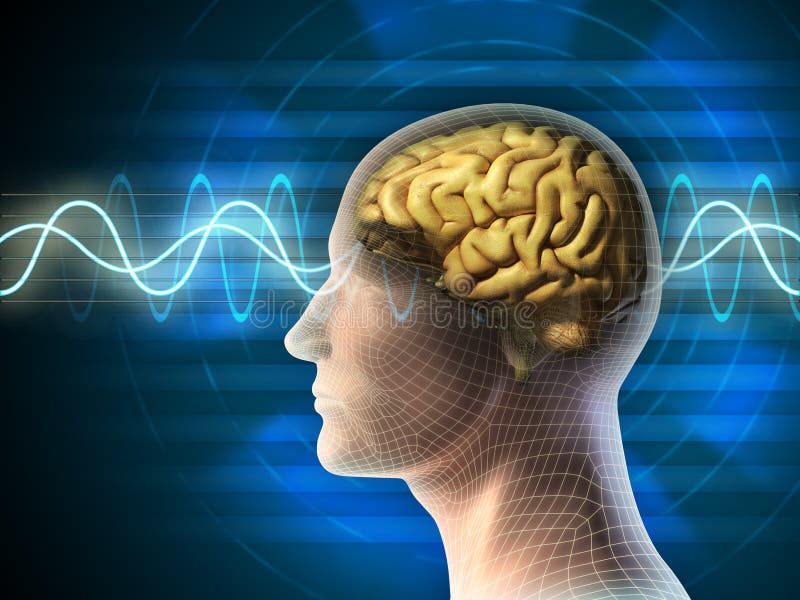
Sound is the most underestimated sense. Unlike vision, which demands attention, sound is inescapable. It is processed faster than sight, bypasses rational filters, and interacts directly with the autonomic nervous system. We do not merely hear sound—we are entrained by it. Our breathing, heart rate, mood, and cognitive sharpness subtly synchronize with the acoustic environments around us.
This makes sound a uniquely powerful medium—not just for communication, but for conditioning.
This article explores how sound has become a strategic instrument of influence, deployed subtly yet systematically across public, commercial, and digital spaces. It asks uncomfortable questions without jumping to easy conclusions. It acknowledges legitimate uses—safety, comfort, efficiency—while confronting the ethical risks of unchecked sonic design.
Most importantly, it challenges a dangerous assumption of modern life:
that what we do not consciously notice does not affect us.
In the realm of sound, that assumption could not be more wrong.
Section I: The Invisible Battlefield – Sound as a Silent Architect
Modern life unfolds inside a continuous acoustic envelope. Unlike screens, signs, or spoken instructions, sound rarely announces itself as a force shaping behavior. It simply exists—pervasive, ambient, unavoidable. And precisely because it fades into the background of awareness, it becomes one of the most powerful architects of human experience.
This section examines how ordinary, ignored sounds quietly condition physiology, mood, cognition, and compliance—turning everyday environments into invisible battlefields where attention, agency, and well-being are negotiated without our consent.
- The Everyday Sounds We Ignore
Most people believe silence is broken by sound. In reality, silence has already been engineered out of modern environments.
Urban hums—a low-frequency blend of traffic resonance, electrical infrastructure, generators, elevators, and distant construction—form a continuous acoustic floor in cities. This hum is not loud, but it is persistent. Research in environmental psychology shows that chronic exposure to low-frequency noise is associated with fatigue, irritability, sleep disruption, and elevated stress markers, even when individuals report that they are “used to it.”
HVAC drones are another overlooked culprit. Heating, ventilation, and air-conditioning systems are designed for thermal efficiency, not neurological harmony. The steady mechanical drone, often operating in low to mid frequencies, creates a state of mild but continuous physiological arousal. The nervous system remains alert, never fully settling. Over time, this contributes to what many experience as “background anxiety” with no identifiable cause.
Traffic resonance, especially in dense urban corridors, introduces rhythmic unpredictability—accelerations, braking, horns, vibrations—that the brain must constantly monitor. Even when consciously ignored, the auditory system remains vigilant. This perpetual low-grade vigilance taxes cognitive bandwidth and reduces emotional resilience.
In offices, particularly open-plan environments, sound is often weaponized under the banner of productivity. White noise systems and ambient masking are deployed to suppress speech intelligibility, reduce complaints, and enforce a uniform acoustic climate. While marketed as neutral or beneficial, these systems frequently disadvantage neurodivergent individuals, increase cognitive load, and suppress spontaneous collaboration. What is framed as “focus” often translates into compliance through sensory fatigue.
Retail spaces take sonic manipulation a step further. Background music, carefully selected for tempo, key, and frequency range, subtly influences walking speed, time spent browsing, and purchasing decisions. So-called “neutral” soundscapes are rarely neutral. They are optimized—sometimes scientifically, sometimes intuitively—to shape consumer behavior without triggering resistance.
Key Insight:
What we ignore affects us the most. Chronic exposure to certain frequencies alters cortisol levels, heart rate variability, and emotional baselines. The body responds even when the mind is unaware. Over time, these micro-adjustments accumulate, shaping temperament, patience, decision-making, and overall well-being.
- Defining Sonic Influence
To understand sonic influence, we must move beyond the simplistic idea that sound equals music or noise.
Sonic influence operates through multiple dimensions simultaneously:
- Frequency (how fast sound waves oscillate)
- Rhythm and repetition (predictability versus disruption)
- Amplitude modulation (subtle fluctuations in loudness)
- Duration and persistence (how long exposure lasts)
Music is only the most visible—and culturally acceptable—form of sonic influence. Far more impactful are the sounds that are not labeled as music at all.
A critical distinction exists between three frequency domains:
- Audible sound (20 Hz–20 kHz): What we consciously hear—voices, music, alarms, machinery.
- Infrasound (<20 Hz): Felt rather than heard. Linked to unease, disorientation, anxiety, and somatic discomfort. Commonly generated by heavy machinery, traffic, wind turbines, and large ventilation systems.
- Ultrasound (>20 kHz): Beyond conscious hearing, but capable of interacting with tissues and, under certain conditions, influencing neurological processes. Increasingly researched for medical and technological applications.
Sonic influence works not by persuasion, but by entrainment. The nervous system naturally synchronizes with external rhythms. Breathing, heart rate, and even neural oscillations adjust in response to ambient sound. This makes sound an ideal tool for environmental conditioning rather than overt communication.
When sound is used to calm, stimulate, suppress, or accelerate human behavior without explicit awareness, it ceases to be a neutral background element. It becomes a behavioral architecture.
- Hidden Players in the Soundscape
Contrary to popular belief, modern soundscapes are rarely accidental. They are designed, tested, and optimized by specialists whose work remains largely invisible to the public.
Acoustic engineers shape spaces not only for audibility but for behavioral outcomes—reducing loitering, encouraging flow, minimizing complaints, or masking undesirable sounds. Their decisions determine how long people stay, how loudly they speak, and how comfortable—or restless—they feel.
Behavioral psychologists and neuroscientists increasingly inform sound design. Insights into attention, stress response, habituation, and emotional regulation guide decisions about tempo, frequency range, and repetition. The goal is not deception, but predictability of response.
Military and defense research labs have long studied sound as a non-lethal tool for deterrence, disorientation, and psychological operations. Many techniques developed in these contexts eventually migrate into civilian applications, stripped of their original framing but not their underlying mechanisms.
Corporate UX and neuromarketing teams integrate sound into digital products, retail environments, and workplaces to guide user behavior. Notification tones, app feedback sounds, ambient loops, and even silence are carefully chosen to maximize engagement, compliance, and habit formation.
The troubling reality is not that these actors exist—but that their influence is rarely disclosed, debated, or ethically governed.
Sound has become infrastructure.
And infrastructure, when left unscrutinized, tends to serve power before people.
Section II: The Sound Architects – Governments and Corporations
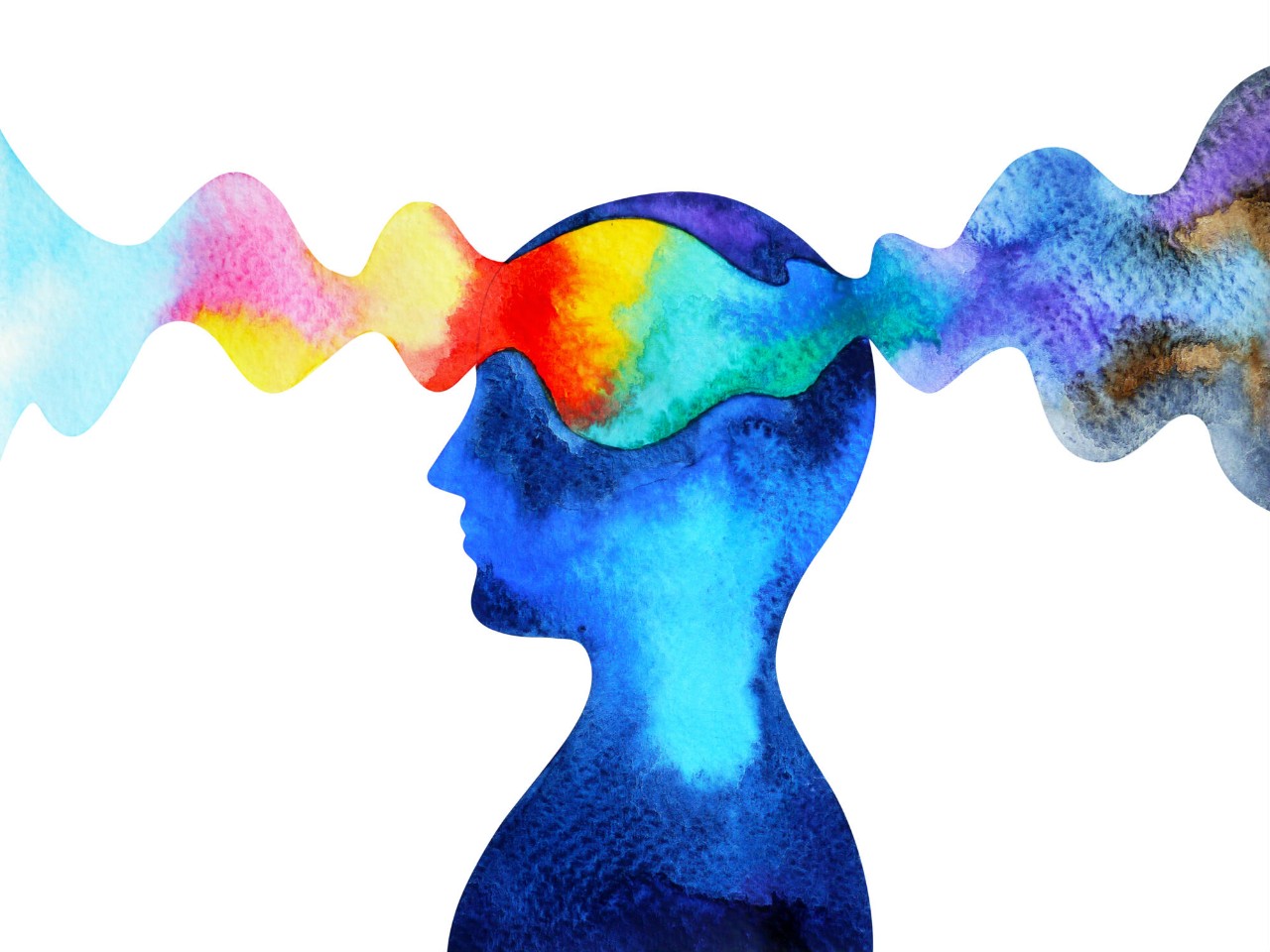
Sound does not design itself. Behind every “neutral” hum, calming tone, or deterrent blast lies intent—sometimes explicit, sometimes institutionalized, often unexamined. Governments and corporations have emerged as the primary sound architects of modern life, shaping acoustic environments at scale. Their justifications differ—security, efficiency, productivity, profit—but the underlying mechanism is the same: using sound to influence behavior without requiring consent or dialogue.
This section examines how sonic power is deployed by states and markets, where legitimate use ends, and where ethical boundaries begin to blur.
- Governmental Applications of Sonic Power
Governments have long understood what modern citizens are only beginning to grasp: sound can control without leaving visible marks. As a tool, it occupies a grey zone—less violent than force, less accountable than speech.
- Crowd Control and Law Enforcement
One of the most visible—and controversial—applications of sonic power is the Long Range Acoustic Device (LRAD). Originally developed for maritime defense to deter piracy, LRADs emit highly directional, high-decibel sound beams capable of causing intense discomfort, pain, and disorientation.
These devices have since migrated into:
- Protest control
- Border security operations
- Crowd dispersal during civil unrest
- Maritime and port defense
The appeal is obvious: LRADs are classified as non-lethal. They do not break bones or draw blood. Yet this classification masks a deeper ethical dilemma.
At close range or prolonged exposure, LRADs can cause:
- Hearing damage
- Vertigo and nausea
- Panic responses
- Long-term neurological stress
The line between psychological deterrence and physical harm is thin—and often crossed without medical oversight or informed consent.
More troubling is the precedent: when sound becomes a primary tool of crowd management, the state shifts from communicating with citizens to conditioning them. Protest is no longer addressed; it is acoustically suppressed.
- Psychological Operations (PSYOPS)
Beyond visible crowd control lies a quieter, more opaque domain: psychological operations.
Sound has been used for decades in interrogation and warfare to:
- Disorient perception
- Induce fatigue or anxiety
- Break resistance through sensory overload or deprivation
- Enforce compliance without physical contact
During the Cold War, experiments explored the effects of continuous noise, rhythmic disruption, and sensory isolation on cognition and identity. More recent reports—from embassy-related incidents to battlefield deployments—suggest ongoing research into acoustic and vibrational phenomena that affect neurological functioning.
The defining feature of sonic PSYOPS is not loudness—but inescapability. Unlike visual stimuli, sound penetrates walls, bodies, and sleep. It cannot be closed off by blinking or looking away.
While governments justify such techniques under national security, the lack of transparency creates a dangerous asymmetry:
- Citizens do not know when sound is being used strategically
- There is little public oversight or ethical review
- Long-term psychological effects are rarely disclosed
When sound is used not to inform or warn, but to destabilize and dominate mental states, it undermines the very foundations of human rights.
- Surveillance and Territorial Control
Sound is increasingly used not only to influence behavior, but to map, monitor, and predict it.
Modern cities deploy acoustic sensors capable of:
- Detecting gunshots
- Identifying aggressive sound patterns
- Mapping crowd density and movement
- Monitoring “anomalous” acoustic activity
In theory, these systems enhance public safety. In practice, they introduce a new form of territorial control—where space is governed not just visually, but acoustically.
Urban policing through sound pattern analysis raises profound questions:
- Who defines what sounds are “suspicious”?
- Are certain communities disproportionately flagged due to cultural sound norms?
- Can sonic surveillance be weaponized against dissent or marginalized groups?
Sound-based surveillance extends the reach of the state into intimate, everyday life—often without warrants, public debate, or informed consent.
Ethical Red Flag
When sound becomes coercive rather than communicative, democracy weakens.
A healthy society persuades through dialogue and law.
An anxious society controls through ambience and deterrence.
- Corporate Sonic Strategies
If governments use sound to maintain order, corporations use it to shape desire, productivity, and habit. Unlike state power, corporate sonic influence is rarely perceived as coercive—yet it is often more pervasive.
- Retail Sound Branding
Retail environments are among the most acoustically engineered spaces in modern life.
Research-backed strategies include:
- Tempo manipulation: Slower music increases browsing time; faster music accelerates turnover.
- Frequency selection: Lower frequencies convey luxury and calm; higher frequencies stimulate urgency and impulse.
- Repetition and familiarity: Predictable soundscapes reduce cognitive friction and lower resistance to purchasing.
Supermarkets use sound to keep shoppers moving but comfortable.
Luxury brands deploy sparse, low-tempo soundscapes to signal exclusivity.
Fast fashion relies on energetic, high-tempo audio to encourage rapid consumption.
Consumers are not asked whether they consent to these manipulations. The assumption is simple: if it works, it’s acceptable.
- Workplace Acoustics and Productivity
Modern workplaces increasingly rely on sound as a management tool.
Open-plan offices, often justified as collaborative and cost-efficient, use noise strategically:
- To discourage private conversation
- To reduce perceived ownership of space
- To normalize constant low-level distraction
“Focus frequencies” and productivity playlists are marketed as cognitive enhancers. In reality, their effects vary dramatically across individuals.
For many workers—especially those with ADHD, autism, or sensory sensitivity—these environments result in:
- Cognitive overload
- Emotional dysregulation
- Chronic fatigue
- Burnout disguised as underperformance
What is framed as efficiency often becomes compliance architecture: environments that reward those who tolerate sensory stress and marginalize those who cannot.
- Digital and App-Based Sonic Nudging
Perhaps the most intimate sonic influence occurs through personal devices.
Every notification sound is engineered:
- To trigger attention
- To activate dopamine pathways
- To reinforce habit loops
Micro-tones, haptic-sound combinations, and subtle auditory cues guide user behavior with surgical precision. ASMR elements, calming loops, and reward sounds blur the line between comfort and dependency.
These are not neutral design choices. They are behavioral hooks, refined through A/B testing and neuropsychological research.
The result is a population that checks phones reflexively—not because of conscious choice, but because sound has trained the nervous system to respond.
A Balanced but Uncomfortable Truth
Not all sonic design is malicious. Sound can:
- Improve safety
- Enhance comfort
- Support focus and healing
But intent does not erase impact.
When sound is used at scale without transparency, opt-out mechanisms, or ethical oversight, it becomes a form of soft control—one that shapes behavior while avoiding accountability.
The question is no longer whether governments and corporations use sound to influence us.
The real question is:
Who sets the limits—and who gets to say no?

Section III: The Frequency Arms Race Accelerates
What began as crude noise control has evolved into something far more precise, potent, and difficult to detect. The modern frequency arms race is not about louder sound—it is about smarter sound. Advances in acoustics, neuroscience, materials science, and computation have transformed sound from a blunt instrument into a scalable behavioral technology.
This acceleration is largely invisible to the public, occurring through patents, research grants, and incremental deployments that appear benign in isolation. Yet taken together, they reveal a trajectory that deserves urgent scrutiny.
- From White Noise to Precision Targeting
Early acoustic interventions relied on ambient masking—white noise, pink noise, or generalized soundscapes intended to cover unwanted sounds or create uniformity. While imperfect, these systems were at least transparent and broadly distributed.
Today, the shift is toward precision targeting.
Directional sound technologies allow audio to be delivered to specific individuals or locations without affecting the surrounding area. Using phased arrays and ultrasonic carriers, sound beams can be aimed like spotlights. Two people standing a few feet apart may experience entirely different acoustic realities.
Bone conduction takes this even further. By transmitting vibrations directly through the skull, sound bypasses the outer and middle ear altogether. Originally developed for accessibility and military communication, bone conduction now enables:
- Private audio delivery without visible devices
- Sound perception in noisy or restricted environments
- Auditory influence that is harder to notice or attribute
The implications are profound. When sound becomes localized, personalized, and invisible, traditional forms of consent and awareness break down. A person may respond emotionally or cognitively to a stimulus they cannot identify or escape.
This marks a fundamental shift: from shaping environments to shaping individuals.
- Infrasound and Ultrasound Frontiers
Perhaps the most ethically fraught frontier of the frequency arms race lies beyond the limits of conscious hearing.
Infrasound—frequencies below 20 Hz—has been associated with:
- Feelings of unease and dread
- Nausea and dizziness
- Disorientation and anxiety
- A sense of “presence” or threat without a clear source
Because infrasound is often felt rather than heard, individuals may attribute these reactions to stress, intuition, or imagination—never suspecting an external acoustic cause. Natural sources exist, but modern infrastructure and experimental technologies can generate sustained infrasound intentionally or as a byproduct.
Ultrasound, at the opposite end of the spectrum, is increasingly explored for its ability to interact with biological tissue. In medical contexts, it enables imaging and targeted therapy. In other contexts, it raises unsettling possibilities:
- Neural modulation without audible cues
- Localized physiological effects
- Emotional or cognitive destabilization without conscious awareness
The danger is not merely misuse—it is plausible deniability. When influence operates below perception, accountability becomes elusive. Effects can be dismissed as subjective, psychosomatic, or coincidental.
In such conditions, individuals lose the ability to meaningfully contest what is happening to them.
- Patents, Research, and Investment Trends
The most reliable indicator of future normalization is not public debate—but intellectual property filings.
A growing number of publicly available patents describe:
- Acoustic systems designed to influence mood, attention, or behavior
- Frequency-based crowd management technologies
- Targeted sound delivery mechanisms integrated with sensors and AI
- Audio modulation systems linked to biometric feedback
While patents do not guarantee deployment, they signal intent and investment. Many of these filings emerge from military-academic-corporate research pipelines, where discoveries move fluidly from defense research to civilian applications.
Universities conduct foundational studies.
Defense agencies fund high-risk experimentation.
Corporations commercialize the results in sanitized forms—wellness tools, productivity aids, immersive experiences.
At no point is the public systematically invited to weigh in on ethical limits.
Uncomfortable Truth
What is patented today becomes normalized tomorrow.
Technologies rarely arrive as threats. They arrive as conveniences, efficiencies, optimizations. By the time their broader implications are visible, they are already embedded in infrastructure and habit.
The frequency arms race is accelerating not because of malice, but because of incentives:
- Control is cheaper than persuasion
- Conditioning is easier than dialogue
- Influence without awareness avoids resistance
The question is no longer whether sound will be used with increasing precision.
The question is whether societies will develop the moral courage to ask:
Just because we can—should we?
Section IV: Impact on the Human Experience
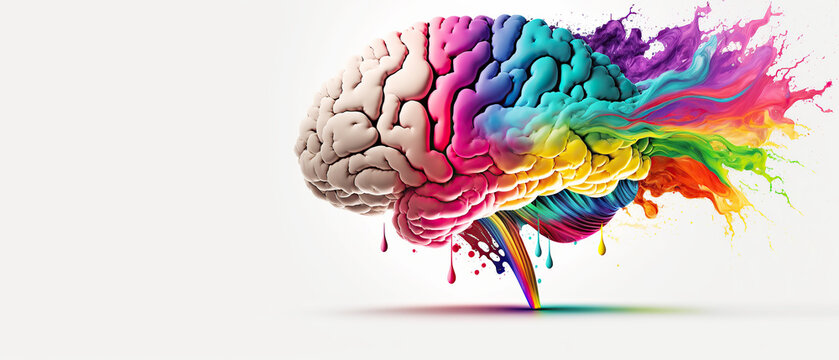
The most profound consequences of the frequency arms race are not political or technological—they are biological and psychological. Sound does not merely pass through the human body; it reorganizes it. Long before beliefs are formed or decisions articulated, the nervous system has already responded.
This section examines how sustained sonic environments reshape physiology, cognition, emotion, and ultimately, the sense of self.
- Physiological Effects
The human nervous system evolved in natural soundscapes—wind, water, birds, footsteps, silence. Modern acoustic environments are radically different: continuous, mechanical, and often inescapable. The body adapts, but adaptation is not the same as health.
Nervous System Entrainment
At the core of sonic influence lies entrainment—the tendency of biological rhythms to synchronize with external stimuli. Heart rate, breathing patterns, and neural oscillations subtly align with ambient sound rhythms and frequencies.
This process is automatic. It does not require belief or attention.
Slow, predictable sounds can support regulation and calm. Erratic, persistent, or low-frequency noise keeps the nervous system in a state of readiness. Over time, the body forgets what true rest feels like.
Stress vs. Parasympathetic Activation
Chronic exposure to certain sound profiles elevates stress hormones such as cortisol and adrenaline. The sympathetic nervous system—designed for short bursts of action—remains partially engaged throughout the day.
The cost is cumulative:
- Reduced heart rate variability
- Impaired immune function
- Sleep fragmentation
- Heightened inflammatory response
Conversely, environments that support parasympathetic activation—silence, natural soundscapes, intentional music—allow the body to repair, digest, and recover. The problem is not that such environments are unknown. It is that they are increasingly unavailable.
Impact on Neurodivergent Individuals
For individuals with autism, ADHD, PTSD, or sensory processing differences, the effects of sonic environments are magnified.
- Autistic individuals may experience auditory overload, leading to shutdowns or meltdowns in spaces others consider tolerable.
- People with ADHD often find that constant background noise fragments attention rather than enhancing focus.
- Those with PTSD can be involuntarily pushed into hypervigilance or dissociation by unpredictable or low-frequency sounds.
When environments are designed around a narrow definition of “normal tolerance,” neurodivergent bodies are forced to adapt at great personal cost—or excluded entirely.
- Cognitive and Emotional Influence
Physiology sets the stage. Cognition and emotion follow.
Mood Modulation and Impulsive Decision-Making
Sound directly influences emotional tone. Tempo, pitch, and frequency bias mood states—calm, urgency, nostalgia, excitement—often without conscious recognition.
In such states:
- Risk assessment shifts
- Impulse control weakens
- Time perception alters
This is not accidental. Environments that favor impulsivity are more profitable and easier to manage than those that support reflection and restraint.
Memory Recall Enhancement or Suppression
Certain sound conditions can enhance memory encoding and recall, while others suppress it. High-stress or chaotic acoustic environments impair working memory and long-term consolidation. Calm, coherent soundscapes do the opposite.
This has implications beyond learning:
- What is remembered in a space shapes how it is perceived later
- Repeated exposure to stressful sound can fragment personal narrative
- Emotional memory becomes tied to place, brand, or institution
Sound quietly edits what the mind keeps and what it discards.
Learned Helplessness Through Chronic Sonic Stress
When individuals are exposed to inescapable, uncontrollable noise, a psychological phenomenon can emerge: learned helplessness.
People stop attempting to change their environment. Complaints fade. Resignation sets in. The body remains stressed, but the mind adapts by lowering expectations.
This is perhaps the most insidious effect of sonic stress—not agitation, but apathy.
- The Erosion of Sonic Autonomy
Beyond physiology and cognition lies a deeper loss: the erosion of choice.
Loss of Silence as a Human Right
Silence is not merely the absence of sound. It is a condition for:
- Reflection
- Emotional processing
- Meaning-making
As silence disappears from public and private spaces, individuals lose access to an internal resource essential for mental health and moral reasoning.
The inability to escape sound becomes a form of sensory confinement.
Sound as a Form of Soft Governance
When sound is used to regulate behavior—calm crowds, speed consumption, suppress dissent—it becomes a tool of soft governance.
Unlike laws, it cannot be voted on.
Unlike surveillance cameras, it is rarely noticed.
Unlike force, it leaves no visible scars.
Yet it shapes conduct just as effectively.
Living Inside a “Controlled Reality” Without Consent
The ultimate risk is not control, but normalization. When people grow up immersed in engineered soundscapes, they may never realize alternatives exist.
A controlled reality does not announce itself as such. It feels ordinary. Comfortable. Efficient.
And that is precisely why it is dangerous.
The human experience is being quietly redesigned—not through argument or coercion, but through frequencies that bypass awareness altogether.
The question now is whether awareness will catch up before autonomy fades completely.

Section V: Reclaiming Our Soundscapes
Reclaiming our soundscapes does not require rejecting technology or retreating into isolation. It requires something far more demanding: intentional awareness, disciplined choice, and collective responsibility. The goal is not silence everywhere, but sovereignty—the ability to decide when, how, and why sound enters our lives.
This section offers practical, grounded pathways for individuals and societies to move from passive exposure to conscious stewardship of sound.
- Awareness: Mapping Your Sonic Environment
You cannot change what you have not noticed. The first act of resistance in the frequency arms race is listening deliberately.
Home
- Identify constant background sounds: appliances, fans, traffic bleed, electronics
- Notice how different rooms feel acoustically—where tension rises, where calm returns
- Observe sleep quality in relation to nighttime sound exposure
Workplace
- Map noise sources: conversations, HVAC systems, alerts, ambient music
- Note productivity fluctuations relative to acoustic conditions
- Pay attention to who thrives and who struggles—especially neurodivergent colleagues
Commute and Public Spaces
- Track how travel sound affects mood and energy before and after arrival
- Distinguish between predictable and chaotic noise—your nervous system reacts differently to each
Digital Spaces
- Audit notification sounds, alerts, and background audio
- Identify which sounds trigger urgency, anxiety, or compulsive checking
Identifying Stress-Inducing Frequencies
You do not need specialized equipment to begin. Your body is the sensor.
Persistent fatigue, irritability, shallow breathing, or mental fog often point to acoustic stress. Over time, patterns emerge—and with them, leverage.
- Personal Sonic Defense Strategies
Defense does not mean hostility. It means boundary-setting.
Conscious Listening Practices
- Choose when to listen—and when not to
- Reduce passive exposure; increase intentional sound engagement
- Practice listening to one sound at a time, without multitasking
Conscious listening restores agency by slowing the nervous system and sharpening perception.
Noise Hygiene and Sound Fasting
- Create daily periods with no artificial sound
- Protect sleep with strict acoustic boundaries
- Use physical buffers—earplugs, sound-dampening materials—without guilt
Just as the body benefits from dietary fasting, the nervous system benefits from acoustic rest.
Silence, Nature, and Intentional Music
- Silence recalibrates perception and emotion
- Natural soundscapes—wind, water, birds—support regulation and coherence
- Music, when chosen intentionally, can heal rather than manipulate
The difference lies in choice. Sound that is chosen nourishes. Sound that is imposed drains.
- Collective Action and Ethical Governance
Individual action matters—but it is insufficient without systemic change.
Demand Transparency in Public Sound Design
Citizens have the right to know:
- Why certain sounds are used in public spaces
- Who decides their parameters
- What research supports their safety and efficacy
Transparency transforms sound from covert control into accountable design.
Ethical Frameworks for Sonic Technologies
Just as bioethics governs medicine, sonic ethics must guide sound-based technologies. Core principles should include:
- Informed consent where possible
- Protection of vulnerable populations
- Right to opt out or seek alternatives
- Independent review of long-term effects
Sound Impact Assessments
Before deploying large-scale acoustic systems, institutions should conduct sound impact assessments, similar to environmental or social impact reviews.
These assessments would evaluate:
- Physiological and psychological effects
- Disproportionate impact on sensitive groups
- Cumulative exposure over time
Sound is not intangible. Its impacts are measurable—and therefore governable.
A Forward-Looking Reality Check
Reclaiming our soundscapes is not a nostalgic return to quiet. It is a civilizational upgrade—one that recognizes sound as a powerful force shaping health, behavior, and democracy itself.
If we fail to act, sonic environments will continue to be optimized for control, profit, and efficiency—often at the expense of dignity and well-being.
If we succeed, sound can become something else entirely:
- A medium of care
- A support for diversity
- A foundation for conscious living
The battle for the future will not always be loud.
Sometimes, it will hum quietly in the background—waiting to see if we are listening.
Final Reflection
Sound is no longer just art—it is infrastructure.
And like all infrastructure, it can liberate or dominate.
This is the uncomfortable reality: we are no longer merely listening to sound; we are living inside systems that use sound to manage us. Not through brute force, but through comfort. Not through argument, but through atmosphere. It is governance by ambience—quiet, efficient, and largely unquestioned.
The question is not whether sound influences us. That debate is over.
The real question is who controls the dial—and whether we are awake enough to notice.
When acoustic environments are designed without transparency or consent, citizens slowly adapt. Stress becomes normal. Silence feels strange. Compliance feels like calm. Over time, the capacity for reflection, dissent, and deep presence erodes—not dramatically, but incrementally.
If we fail to engage critically, we risk becoming acoustically conditioned citizens:
- Calm, but not centered
- Productive, but not fulfilled
- Connected, yet subtly disconnected from ourselves
This is not dystopia. This is design drift—where power accumulates not through malice, but through neglect.
The future is still open. Sound can also heal, include, regulate, and empower. But that future requires awake listeners, ethical designers, and citizens who understand that silence, choice, and sensory dignity are not luxuries—they are rights.
Participate and Donate to MEDA Foundation
MEDA Foundation works toward human dignity, neurodiversity inclusion, and self-sustaining ecosystems—where individuals are empowered, not manipulated.
In a world increasingly shaped by invisible forces, MEDA Foundation stands for:
- Awareness over exploitation
- Inclusion over standardization
- Empowerment over control
Your participation helps build ethical literacy.
Your donations support inclusive education and self-reliant communities that respect human agency.
Your participation is resistance.
Your donation is empowerment.
Book References (For Deeper Exploration)
- The Soundscape – R. Murray Schafer
- This Is Your Brain on Music – Daniel J. Levitin
- Sonic Warfare – Steve Goodman
- Noise: A Human History of Sound and Listening – David Hendy
- The Age of Surveillance Capitalism – Shoshana Zuboff
- Mind Fixers – Anne Harrington
- Thinking, Fast and Slow – Daniel Kahneman
