

Anyone who eats well yet still struggles with low energy, weak immunity, or borderline deficiencies may find this guide useful. It is especially relevant for Indian households, vegetarians, women, growing teens, caregivers, and elders who rely on traditional meals and home cooking. Many people consume iron- and calcium-rich foods regularly but unknowingly combine them in ways that limit absorption. By learning simple ideas like mineral pathways, timing meals, reducing antinutrients, and making small swaps within familiar dishes, readers can get more nourishment from the same food. The approach is practical, respectful of culture, budget-friendly, and designed to reduce unnecessary dependence on supplements and support long-term dietary confidence.

Cooking, Meal Planning, and Recipe Design for Better Iron and Calcium Absorption
:max_bytes(150000):strip_icc()/stomach_intestines-57ffd6795f9b5805c2ac495f.jpg)
Why Eating Well Does Not Always Mean Being Well-Nourished
Many people today eat “healthy food.”
They cook at home.
They include vegetables, dals, dairy, grains, and nuts.
Yet fatigue, low immunity, hair fall, bone weakness, and borderline deficiencies remain common.
This disconnect is frustrating. It often leads to supplements becoming the default solution. While supplements are sometimes necessary, they are frequently used before the full potential of food has been explored.
One of the most overlooked reasons for this gap is absorption conflict, especially between iron and calcium.
Iron and calcium are both essential minerals.
They are also competitive absorbers.
When eaten together, the body is forced to choose.
Usually, it absorbs less of both.
This article explains how everyday cooking, meal planning, and recipe design can help you absorb more nutrition from the same food, without drastic diet changes, expensive ingredients, or abandoning cultural eating patterns.
A Gentle but Important Disclaimer
The guidance shared here is general nutritional education.
It is not a substitute for professional medical advice, diagnosis, or treatment.
Individual needs vary depending on age, sex, life stage, pregnancy, medications, health conditions, and laboratory values. Anyone with persistent symptoms or diagnosed deficiencies should consult a qualified healthcare professional before making major dietary or supplementation decisions.
The intention here is simple:
help the body do more with food, before asking it to rely on pills.
The Core Idea: Pathway Cooking
Most nutrition advice focuses on what to eat.
This guide focuses on how the body receives it.
Every meal naturally leans toward a dominant absorption pathway.
That pathway can be shaped by:
Food combinations
Preparation methods
Timing
Accompaniments
The same ingredients can nourish differently depending on how they are oriented.
Instead of labeling foods as “good” or “bad,” this approach asks a quieter question:
Which mineral am I trying to support in this meal?
From there, the meal is gently aligned to support that goal.

PART 1: IRON — MAKING IRON-RICH FOODS ACTUALLY WORK
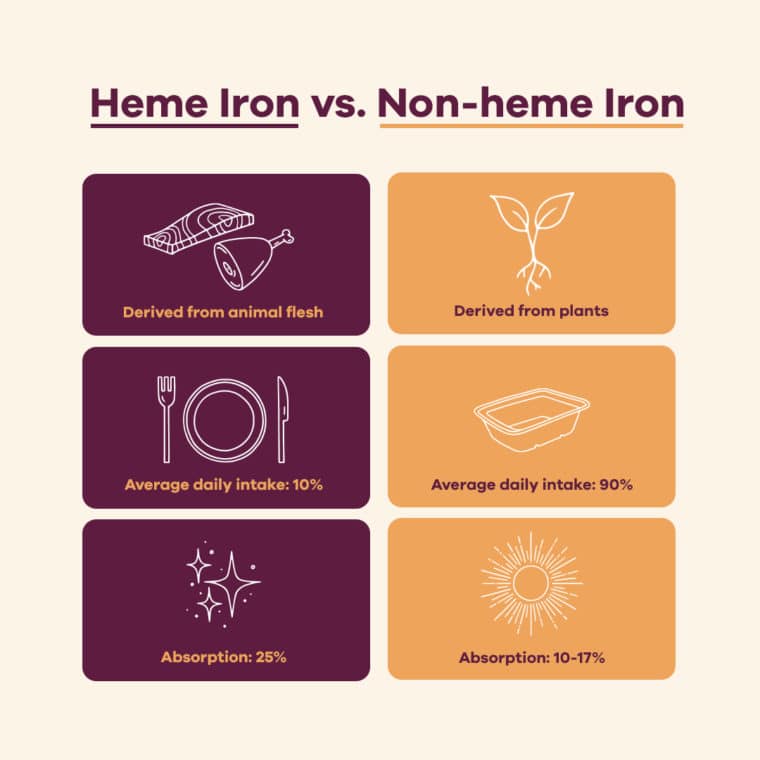
Understanding Iron: Heme vs Non-Heme
Iron exists in two dietary forms.
Heme Iron
Heme iron comes from animal foods.
It is efficiently absorbed and relatively unaffected by other dietary factors.
Common Indian-accessible sources include:
Chicken or goat liver
Fish like sardines and mackerel
Eggs
Small amounts of red meat
Even small quantities can significantly enhance overall iron absorption.
Non-Heme Iron
Non-heme iron comes from plant foods.
It is more sensitive to inhibitors and is absorbed in much smaller percentages.
Common Indian sources include:
Spinach, amaranth, moringa
Lentils and legumes
Chickpeas, rajma
Sesame seeds
Garden cress seeds (halim/aliv)
Jaggery
This is where most absorption problems arise—not because the food lacks iron, but because the body struggles to access it.
Why Iron Often Fails to Absorb
Several naturally occurring compounds interfere with non-heme iron absorption:
Phytates in grains, legumes, seeds
Oxalates in leafy greens
Polyphenols in tea and coffee
Calcium consumed in the same meal
Many traditional Indian meals unknowingly combine all of these at once.
For example:
Palak paneer
Spinach dal with buttermilk
Methi thepla with curd
Iron-rich meals followed immediately by tea
The food is nutritious on paper, but inefficient in practice.
Traditional Techniques That Improve Iron Absorption
Long before nutrition science named antinutrients, traditional kitchens learned how to reduce them.
Soaking
Soaking legumes, grains, and seeds reduces phytates and improves mineral availability.
Adding a little acidic medium like lemon or tamarind enhances the effect.
Sprouting
Sprouting activates enzymes that break down absorption blockers.
Sprouted moong, chana, and moth beans are significantly easier to absorb than dry ones.
Fermentation
Fermentation is one of the most powerful absorption enhancers.
Idli, dosa, ambli, kanji, and fermented batters naturally increase iron bioavailability.
Boiling and Pressure Cooking
Leafy greens like spinach contain oxalates.
Boiling and discarding excess water reduces oxalate load and improves iron access.
Boosting Iron Absorption Through Smart Pairing
Vitamin C: The Most Reliable Iron Enhancer
Vitamin C converts non-heme iron into a form the body can absorb more easily.
It must be fresh and minimally heated.
Effective Indian sources include:
Lemon
Amla
Guava
Tomato added after cooking
Raw onion
Fresh coriander
A squeeze of lemon after cooking often does more than adding more spinach.
The Heme + Non-Heme Advantage
One of the least discussed but most effective strategies is combining small amounts of heme iron with plant iron.
Examples:
A spoon of chicken liver mixed into spinach dal
Fish flakes added to lentil curry
Garden cress seeds added to chicken curry
These additions hardly change taste or texture but significantly improve absorption.
Iron Cookware: Helpful but Optional
Cooking in iron cookware can increase iron content slightly, especially with acidic foods.
However, the benefit is modest and requires maintenance.
It can support iron intake but should not be relied on as the primary strategy.
Iron Pathway Recipe Ideas (And Why They Work)
Palak Tomato Dal
Instead of palak paneer, spinach is cooked with dal and tomato.
Lemon is added after cooking.
Why it works:
No competing calcium.
Vitamin C improves absorption.
Pressure cooking reduces oxalates.
Palak Chana Masala
Spinach with chickpeas, onions, tomatoes, and spices.
Why it works:
Protein supports iron uptake.
Tomato and onion enhance bioavailability.
No dairy interference.
Garden Cress Seed Tamarind Chutney
Soaked and ground garden cress seeds added to tamarind chutney.
Why it works:
Acidic medium enhances iron availability.
Seeds are pre-soaked, reducing phytates.
Consumed without calcium.

PART 2: CALCIUM — HELPING THE BODY USE IT PROPERLY

Calcium Is More Than Just Dairy
Many people consume enough calcium but still struggle with bone health.
The issue is often utilization, not intake.
Calcium absorption depends heavily on co-factors.
Key Co-Factors for Calcium Absorption
Vitamin D
Without vitamin D, calcium absorption drops dramatically.
Sunlight exposure remains the most reliable source.
Magnesium
Magnesium helps regulate calcium metabolism.
It is found in nuts, seeds, whole grains, and dark leafy vegetables.
Protein and Healthy Fats
Calcium binds better when consumed with protein and fat.
This is why full-fat dairy often performs better than skim versions.
Calcium-Friendly Pairing Principles
Calcium works best when:
Consumed with fat and protein
Separated from iron-heavy meals
Not combined with large amounts of oxalates
Calcium Pathway Recipe Ideas (And Why They Work)
Paneer Butter Masala
Instead of palak paneer, paneer is cooked in a tomato-cashew gravy with ghee.
Why it works:
High calcium content.
Healthy fats improve absorption.
No iron competition.
Gondh Dry Fruit Laddoos
Edible gum (gondh) cooked in ghee with nuts and jaggery.
Why it works:
Supports calcium and joint health.
Fat-rich base improves mineral retention.
Better suited than adding iron-focused seeds here.
Dry Fruit Lassi
Curd blended with soaked almonds, cashews, and dates.
Why it works:
Protein, fat, and calcium work together.
Consumed away from iron-rich meals.
Nut Paste in Paneer Gravies
Cashew or almond paste blended into paneer dishes.
Why it works:
Adds magnesium and healthy fats.
Supports calcium metabolism rather than blocking iron.

PART 3: COMMON INDIAN DISHES AT ODDS — AND BETTER ALTERNATIVES
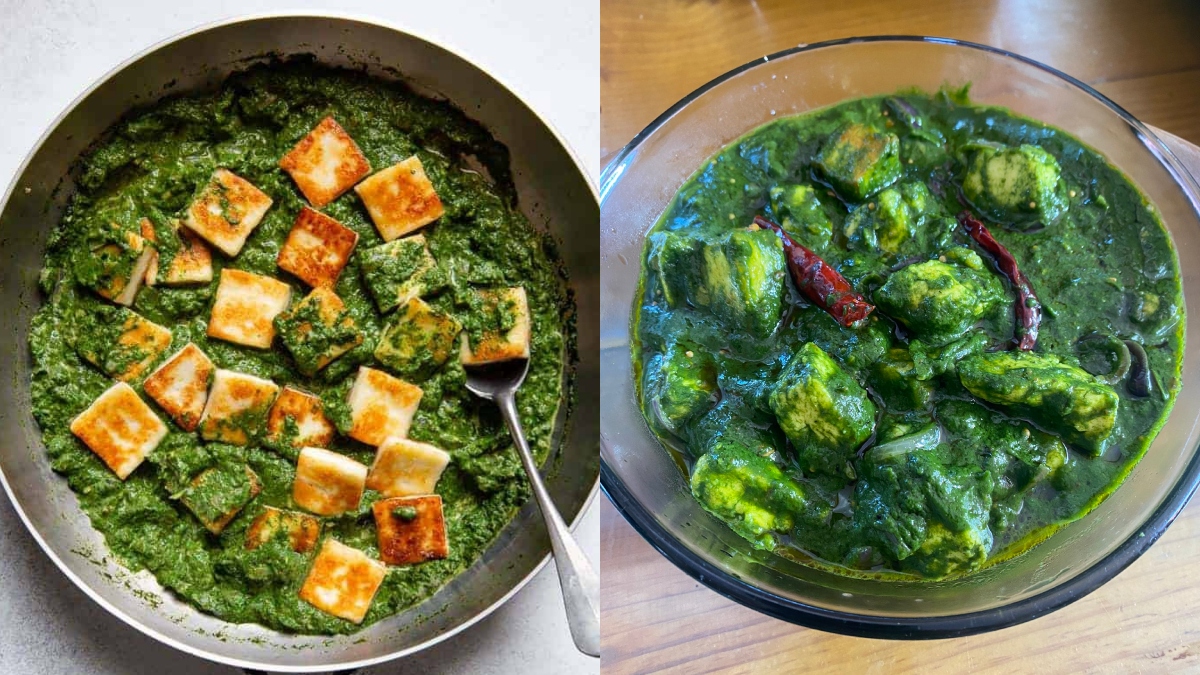
Palak Paneer
Spinach and paneer compete for absorption.
Better options:
Calcium pathway: matar paneer, shahi paneer
Iron pathway: palak dal, palak aloo, palak chana
Methi Thepla with Curd
Iron-rich methi paired with calcium-rich curd.
Better options:
Iron pathway: methi thepla with lemon or mango pickle
Calcium pathway: curd with soaked dry fruits or ragi ambli
Idli–Sambar–Curd Plate
Better options:
Iron pathway: idli with sambar only
Calcium pathway: curd rice at a separate meal
Spinach Dal with Buttermilk
Better options:
Iron pathway: spinach dal with lemon
Calcium pathway: buttermilk later in the day

PART 4: STRATEGIC MEAL PLANNING WITHOUT STRESS
Tea and Coffee: Timing Is Everything
Tea and coffee contain polyphenols that block mineral absorption.
They are best consumed between meals, not with them.
Foods Rich in Both Minerals: Pick Your Pathway
Ragi, sesame, and leafy greens contain both iron and calcium.
The solution is not avoidance, but orientation.
Iron pathway: fermentation, vitamin C, no dairy
Calcium pathway: fat, protein, sunlight exposure
Iron Days and Calcium Days
For people with chronic deficiencies, alternating focus helps.
Iron-focused lunches
Calcium-focused dinners
Or alternate days based on needs
This reduces constant competition in the gut.
Quiet Fixes That Preserve Food Culture
Move curd to a different time of day
Add lemon after cooking
Shift tea timing without removing the habit
Use small amounts of animal foods discreetly
No food identity needs to change.
Who This Approach Helps Most
Women across life stages
Vegetarians and mixed-diet households
Adolescents and elders
Caregivers managing family meals
Anyone trying to improve nutrition before supplementation

Final Takeaway
Nourishment is not only about what is eaten.
It is about how food is prepared, paired, and timed.
Traditional kitchens already contain much of this wisdom.
Modern science simply explains why it works.
By choosing a pathway instead of chasing perfection, the same meals can become far more nourishing—quietly, affordably, and sustainably.
Support Meda Foundation
This article, like many others, has been made possible through the continued support of patrons and well-wishers of the Meda Foundation. If you have found this work informative, practical, or helpful in improving everyday health decisions, please consider supporting the foundation through a donation. Your contribution helps sustain research-based, culturally rooted educational content that prioritizes long-term well-being over quick fixes.
Additionally, readers are encouraged to share their own experiences, observations, and traditional knowledge through the feedback form. Collective learning strengthens communities, and lived wisdom adds depth that no single article can offer.
Resources for Further Research
The following resources offer deeper insight into iron and calcium absorption, food combinations, antinutrients, traditional food processing methods, and related nutritional science. Links are provided in plain text for ease of access.
Foundational Nutrition & Mineral Absorption
https://ods.od.nih.gov/factsheets/Iron-Consumer/
https://ods.od.nih.gov/factsheets/Calcium-Consumer/
https://www.hsph.harvard.edu/nutritionsource/iron/
https://www.hsph.harvard.edu/nutritionsource/calcium/
Antinutrients, Phytates, and Oxalates
https://www.ncbi.nlm.nih.gov/pmc/articles/PMC7600777/
https://www.ncbi.nlm.nih.gov/pmc/articles/PMC5452224/
https://academic.oup.com/ajcn/article/85/6/1580/4633007
Effect of Soaking, Sprouting, and Fermentation
https://www.ncbi.nlm.nih.gov/pmc/articles/PMC4325021/
https://www.frontiersin.org/articles/10.3389/fnut.2020.00034/full
https://www.sciencedirect.com/science/article/pii/S0023643817301824
Vitamin C and Iron Absorption
https://www.ncbi.nlm.nih.gov/books/NBK448204/
https://lpi.oregonstate.edu/mic/minerals/iron
Heme vs Non-Heme Iron
https://www.ncbi.nlm.nih.gov/pmc/articles/PMC3967179/
https://www.who.int/publications/i/item/WHO-NMH-NHD-14.4
Calcium, Vitamin D, and Bone Health
https://www.ncbi.nlm.nih.gov/pmc/articles/PMC4018438/
https://www.nhs.uk/conditions/vitamins-and-minerals/calcium/
https://lpi.oregonstate.edu/mic/minerals/calcium
Tea, Coffee, and Mineral Absorption
https://www.ncbi.nlm.nih.gov/pmc/articles/PMC5452224/
https://academic.oup.com/ajcn/article/65/2/464/4655644
Traditional Diets and Food Synergy
https://www.fao.org/3/i7846e/i7846e.pdf
https://www.sciencedirect.com/science/article/pii/S2213453019301085
Indian Foods and Nutritional Context
https://www.nin.res.in/
https://www.icmr.gov.in/
https://www.indianfoodcomposition.org/
Podcasts, Videos, and Public Education
https://nutritionfacts.org
https://www.youtube.com/@NutritionMadeSimple
https://www.youtube.com/@DrRupy
