

Peak performance emerges not from hope, pressure, or obsessive desire for success, but from emotional neutrality, preparedness, and detachment from outcomes. When failure is accepted as survivable and identity is separated from results, fear loses its grip, attention returns to the present, and performance becomes fluid rather than forced. By embracing worst-case thinking without pessimism, individuals calm the nervous system, unlock flow, and respond with clarity instead of anxiety. Success, then, becomes a byproduct of presence and competence, while rejection and loss transform into feedback and redirection. This mindset not only elevates individual capability but also exposes how education and employment systems misjudge talent under pressure—underscoring the need for resilience-driven, dignity-based approaches that allow people to perform with ease, learn without shame, and grow without fear.
ಶ್ರೇಷ್ಠ ಕಾರ್ಯಕ್ಷಮತೆ ಆಶೆ, ಒತ್ತಡ ಅಥವಾ ಯಶಸ್ಸಿನ ಮೇಲಿನ ಅತಿಯಾದ ಆಸಕ್ತಿಯಿಂದ ಹುಟ್ಟುವುದಿಲ್ಲ; ಅದು ಭಾವನಾತ್ಮಕ ಸಮತೋಲನ, ಪೂರ್ವಸಿದ್ಧತೆ ಮತ್ತು ಫಲಿತಾಂಶಗಳ ಮೇಲಿನ ಅಂಟು ಬಿಡುವಿಕೆಯಿಂದ ಉಂಟಾಗುತ್ತದೆ. ವಿಫಲತೆಯನ್ನು ಸಹಿಸಬಹುದಾದದ್ದೆಂದು ಒಪ್ಪಿಕೊಂಡಾಗ ಮತ್ತು ಫಲಿತಾಂಶಗಳಿಂದ ಸ್ವಪರಿಚಯವನ್ನು ಬೇರ್ಪಡಿಸಿದಾಗ, ಭಯ ತನ್ನ ಹಿಡಿತವನ್ನು ಕಳೆದುಕೊಳ್ಳುತ್ತದೆ, ಗಮನ ವರ್ತಮಾನಕ್ಕೆ ಮರಳುತ್ತದೆ, ಮತ್ತು ಕಾರ್ಯಕ್ಷಮತೆ ಬಲವಂತದ ಬದಲು ಸಹಜವಾಗಿ ಹರಿಯುತ್ತದೆ. ನಿರಾಶಾವಾದವಿಲ್ಲದೆ ಕೆಟ್ಟ ಪರಿಸ್ಥಿತಿಗಳಿಗೆ ಮನಸ್ಸಿನಲ್ಲಿ ಸಿದ್ಧತೆ ಮಾಡಿಕೊಂಡರೆ, ನರವ್ಯವಸ್ಥೆ ಶಾಂತಗೊಳ್ಳುತ್ತದೆ, ಫ್ಲೋ ಸ್ಥಿತಿ ಸಕ್ರಿಯಗೊಳ್ಳುತ್ತದೆ, ಮತ್ತು ಆತಂಕದ ಬದಲು ಸ್ಪಷ್ಟತೆಯಿಂದ ಪ್ರತಿಕ್ರಿಯೆ ನೀಡಲು ಸಾಧ್ಯವಾಗುತ್ತದೆ. ಆಗ ಯಶಸ್ಸು ಹಾಜರಾತಿ ಮತ್ತು ಸಾಮರ್ಥ್ಯದ ಸಹಜ ಫಲವಾಗುತ್ತದೆ; ನಿರಾಕರಣೆ ಮತ್ತು ನಷ್ಟಗಳು ಕಲಿಕೆಯ ಪ್ರತಿಕ್ರಿಯೆಯಾಗಿ ಹಾಗೂ ಹೊಸ ದಿಕ್ಕಿನ ಸೂಚನೆಗಳಾಗಿ ಪರಿವರ್ತನೆಗೊಳ್ಳುತ್ತವೆ. ಈ ದೃಷ್ಟಿಕೋನವು ವೈಯಕ್ತಿಕ ಸಾಮರ್ಥ್ಯವನ್ನು ಹೆಚ್ಚಿಸುವುದರ ಜೊತೆಗೆ, ಒತ್ತಡದ ಪರಿಸ್ಥಿತಿಗಳಲ್ಲಿ ಪ್ರತಿಭೆಯನ್ನು ತಪ್ಪಾಗಿ ಅಳೆಯುವ ಶಿಕ್ಷಣ ಮತ್ತು ಉದ್ಯೋಗ ವ್ಯವಸ್ಥೆಗಳ ದೋಷಗಳನ್ನು ಬೆಳಗಿಸುತ್ತದೆ—ಭಯವಿಲ್ಲದೆ ಬೆಳೆಯಲು, ಲಜ್ಜೆಯಿಲ್ಲದೆ ಕಲಿಯಲು ಮತ್ತು ಸುಲಭವಾಗಿ ಕಾರ್ಯನಿರ್ವಹಿಸಲು ಅವಕಾಶ ನೀಡುವ ಸ್ಥೈರ್ಯಾಧಾರಿತ, ಗೌರವಪೂರ್ಣ ವಿಧಾನಗಳ ಅಗತ್ಯವನ್ನು ಒತ್ತಿಹೇಳುತ್ತದೆ.
Embracing Negativity for Positive Results
Why Letting Go of Outcomes Is the Hidden Key to Peak Performance
Introduction
The Hard Truth
Peak performance is rarely born out of hope, optimism, or confidence-building slogans—no matter how attractively they are packaged. In fact, the more desperately we cling to positive outcomes, the more fragile our performance becomes. What actually sustains excellence under pressure is something far less glamorous and far more honest: emotional neutrality, acceptance of failure, and detachment from results.
When the mind prepares for the worst—not through catastrophic thinking, but through sober realism—it relaxes. That relaxation is not laziness; it is readiness. A relaxed mind breathes better, listens better, recalls information more accurately, and responds instead of reacts. It adapts faster because it is not busy defending an imagined future. It is fully present.
Ironically, the moment we stop needing success to validate our worth, our ability to perform improves. We speak more clearly in interviews, think more strategically during pitches, and present more authentically in group settings. Not because we care less about doing well—but because we care less about what failure might say about us.
This article makes a deliberate and uncomfortable argument: embracing negativity—acknowledging loss, rejection, embarrassment, and failure as genuine possibilities—is not pessimism. It is not defeatism. It is psychological maturity.
Negativity, in this context, is not about expecting the worst emotionally; it is about preparing for the worst cognitively. It is about removing fear’s power by naming it, normalizing it, and proving to ourselves that even in the worst-case scenario, we remain intact. When failure is no longer catastrophic, success stops being suffocating.
We are not broken when we feel pressure. We are human. But we become ineffective when we confuse outcomes with identity, results with worth, and performance with survival.
Intended Audience and Purpose of the Article
Audience
This article is written for:
- Students walking into high-stakes exams or interviews
- Job-seekers tired of rejection defining their self-esteem
- Entrepreneurs pitching ideas while silently fearing collapse
- Leaders expected to appear confident at all times
- Educators, performers, and sales professionals whose work is constantly evaluated
- And especially for those who freeze under pressure because they believe they must win in order to be worthy
If you have ever felt that one moment could make or break your future—or that failure would permanently diminish you—this article is for you.
Purpose
The purpose of this article is to dismantle a deeply ingrained myth: that wanting success harder leads to better performance. Evidence from psychology, neuroscience, and lived experience suggests the opposite. Intense attachment to outcomes increases anxiety, narrows thinking, and sabotages execution.
In its place, this article offers a grounded framework—both practical and philosophical—where preparing for failure paradoxically improves outcomes. It invites you to replace fear-driven ambition with calm readiness, fragile confidence with quiet courage, and pressure with presence.
This is not about lowering standards. It is about raising resilience.
And it begins by learning how to stand comfortably with the possibility that things may not go your way—and realizing that, even then, you will be just fine.

Section 1: The Cultural Lie — “Positive Thinking Improves Performance”
1.1 The Tyranny of Outcome Obsession
Modern society does not merely appreciate results—it worships them. From early schooling to professional life, we are conditioned to believe that outcomes are the only currency that matters. Marks outweigh mastery. Job offers outweigh learning. Revenue outweighs judgment. The process—the invisible labor of thinking, experimenting, and failing—rarely receives applause.
This obsession quietly transforms everyday performance moments into existential trials.
An interview is no longer a conversation; it becomes a verdict on intelligence and worth.
A sales pitch is no longer an exchange of value; it becomes proof of competence or inadequacy.
A presentation is no longer communication; it becomes a public referendum on confidence.
In this environment, success is framed as survival, and failure as extinction. We are not merely trying to do well—we are trying to avoid psychological annihilation. The mind responds exactly as it would to a threat.
This is where Daniel Kahneman’s work becomes critical. Under calm conditions, we operate primarily from System 2—the slow, deliberate, reasoning part of the brain responsible for logic, memory recall, and nuanced decision-making. However, when stakes feel existential, the brain rapidly shifts control to System 1—fast, emotional, and fear-driven.
System 1 is excellent for escaping predators.
It is terrible for interviews, negotiations, and presentations.
When we want success too badly, intelligence does not disappear—it is temporarily inaccessible. Words are forgotten, simple logic is missed, and we second-guess answers we already know. The tragedy is that people often mistake this collapse for incompetence, when in reality it is cognitive shutdown induced by pressure.
The harder we chase outcomes, the more we sabotage the very faculties required to achieve them.
1.2 Why “Hope” Is Not a Strategy
Hope is often portrayed as a virtue—and in many contexts, it is. Hope sustains people through illness, injustice, and long struggles. But performance is not a marathon of endurance; it is a moment of execution. And here, hope becomes a liability.
Hope amplifies emotional stakes. When we hope intensely, we attach our emotional well-being to a specific outcome. This attachment raises internal pressure: “This must work.” The moment that thought appears, the nervous system interprets the situation as high risk.
Higher emotional stakes increase cognitive load. The mind is now multitasking:
- Performing the task
- Monitoring how it is going
- Imagining consequences of failure
- Managing fear of judgment
Cognitive bandwidth is finite. When it is consumed by emotional management, fewer resources remain for thinking, listening, and responding. The result is familiar: rushed answers, awkward pauses, forced enthusiasm, or overcompensation.
Mistakes do not occur because we are unprepared.
They occur because we are overloaded.
The uncomfortable truth is this: hope is useful for endurance, not execution. It helps you keep going when the road is long. It does not help you perform when the moment demands clarity and presence.
Execution requires calm.
Calm requires detachment.
Detachment requires accepting that even if things go wrong, life goes on.
Until we learn to separate hope from performance, we will continue to confuse emotional intensity with effectiveness—and pay for it with avoidable failures.

Section 2: Pressure Is Self-Created — Not Situation-Created
2.1 The Interview, Pitch, and Presentation Trap
Most people believe pressure comes from the situation: the interview panel, the client, the audience, the stakes. In reality, pressure is rarely imposed—it is manufactured internally.
The trap begins with a single, seemingly harmless thought: “This must work.”
Once that thought appears, the mind starts negotiating with an imagined future. If I fail, I will feel embarrassed. If I fail, others will judge me. If I fail, I will regret not doing better. None of this has happened yet, but emotionally, the damage is already done. The body reacts as if the shame is imminent.
This internal negotiation drains energy before the performance even begins. Instead of preparing to contribute, the mind prepares to defend itself. What masquerades as motivation—“I have to do well”—is often nothing more than fear of judgment in disguise.
Daniel Goleman’s work on Emotional Intelligence clarifies why this is so destructive. High performers do not wait to calm themselves after anxiety hijacks them. They regulate emotions before cognition. They create emotional safety first, and only then rely on skill and intelligence.
When emotional regulation is delayed, cognition is compromised. You may have the knowledge, experience, and preparation—but they are locked behind a nervous system that is bracing for impact.
Pressure, then, is not the result of importance. It is the result of identity attachment. When outcomes become self-evaluations, even simple tasks feel dangerous.
2.2 Why Wanting to Succeed Kills Presence
Wanting to succeed is often mistaken for commitment. In reality, excessive desire for success fractures attention.
When success feels essential, people begin to over-monitor themselves. They track their words while speaking, analyze body language mid-sentence, and mentally replay what they just said instead of listening to what is being said next. This self-surveillance creates an internal split: part of the mind performs, while another part judges.
The cost is steep.
Listening deteriorates because attention is inward.
Improvisation collapses because spontaneity requires trust.
Authenticity disappears because expression becomes calculated.
Presence—the single most persuasive and stabilizing quality in any performance—cannot survive this divided attention. Presence exists only in the present moment. The moment the mind leaps into the future—imagining results, reactions, or consequences—it abandons the now.
This is why people often say, “I don’t know what happened; I blanked out.” Nothing mystical occurred. The future simply hijacked the present.
Performance excellence is not about intensity of desire. It is about quality of attention. And attention cannot be stable when it is constantly pulled toward imagined outcomes.
When the future dominates the mind, presence vanishes.
When presence vanishes, performance follows.
The paradox is unavoidable: the less you need success, the more capable you become of achieving it.

Section 3: Embracing Negativity — Not Pessimism, But Preparedness
3.1 What “Embracing Negativity” Actually Means
The phrase embracing negativity often triggers resistance. It sounds like surrender, cynicism, or low expectations. In truth, it is none of these. It is a disciplined mental practice rooted in realism, self-respect, and emotional resilience.
To embrace negativity is first to accept rejection as survivable. Not hypothetical, not philosophical—practically. To say, “If this interview does not work, I will feel disappointed, but I will recover. My life will continue. My skills remain.” This single acknowledgment strips rejection of its imagined finality.
Second, it involves calm visualization of worst-case outcomes. Not dramatic spirals, but clear-eyed rehearsal. What if the pitch fails? What if the answer is wrong? What if the room goes quiet? When visualized without panic, these scenarios lose their threat. The nervous system relaxes because uncertainty has been converted into familiarity.
Third—and most critically—it requires removing identity from results. Results are data, not definitions. They indicate alignment, timing, or readiness—not personal worth. When identity is fused with outcome, every performance becomes a referendum on self. When identity is separated, performance becomes an experiment.
The Stoic philosopher Epictetus captured this with brutal simplicity: “You control your preparation, not the outcome.” This is not resignation; it is empowerment. Preparation is where agency lives. Outcomes live in a world of variables no individual controls.
Once this distinction is internalized, pressure collapses. You show up to perform, not to survive.
3.2 The Power of Preparing for the Worst
Preparing for the worst is often misunderstood as inviting failure. In reality, it is the fastest way to disarm fear.
Fear feeds on surprise. When something goes wrong unexpectedly, the emotional jolt is amplified. Worst-case thinking reduces this vulnerability by eliminating the element of shock. If the possibility has already been faced mentally, the nervous system does not interpret it as a threat—it recognizes it as a known event.
Familiarity with failure also removes its emotional sting. The first imagined failure feels heavy. The second feels manageable. By the third, it becomes almost mundane. What was once terrifying becomes tolerable—and what is tolerable no longer paralyzes.
There is a quiet relief that comes when danger is named. Anxiety thrives in vagueness. The moment risks are articulated, the mind regains structure. This could go wrong—and if it does, this is what I will do. That sentence alone restores agency.
Ryan Holiday reframes this with clarity: the obstacle loses power when it is faced, not avoided. Avoidance keeps fear abstract and exaggerated. Confrontation makes it concrete and limited.
Once fear shrinks, attention returns.
Once attention returns, performance improves.
Embracing negativity does not weaken ambition—it stabilizes it. It allows you to step forward without trembling, speak without rehearsing every word internally, and engage fully with the task at hand.
Prepared minds are calm minds.
Calm minds perform well—even when things do not go as planned.

Section 4: When Results Matter Less, Performance Improves
4.1 The Flow State Paradox
One of the most misunderstood aspects of peak performance is the role of flow—that state where action feels effortless, time distorts, and ability seems to rise to meet the moment. Many assume flow appears when stakes are high and motivation is intense. The opposite is true.
Flow requires challenge without fear.
According to Mihaly Csikszentmihalyi, flow emerges when skills are well-matched to difficulty and attention is fully absorbed in the task itself. The moment fear enters—fear of judgment, fear of failure, fear of consequences—flow collapses. Self-consciousness replaces engagement. Monitoring replaces doing.
Fear forces the mind to split:
- One part tries to perform
- Another part evaluates how it is performing
Flow cannot exist in this divided state. It demands total immersion, which is only possible when the ego steps aside.
Detachment is what restores engagement. When results matter less, attention returns to the present moment. The performer stops trying to control impressions and starts responding authentically. Speech becomes natural, listening improves, and thinking regains flexibility.
Csikszentmihalyi’s insight is precise: flow does not arise when stakes increase; it arises when self-consciousness disappears. And self-consciousness disappears only when the outcome no longer threatens identity.
Paradoxically, caring less about results allows you to give more to the process.
4.2 Enjoying Every Outcome
When attachment to results dissolves, something unexpected happens: every outcome becomes usable.
Loss stops being a verdict and starts becoming feedback. It reveals gaps, timing issues, or misalignment without accusing the individual of inadequacy. Information replaces self-judgment.
Rejection becomes redirection. Instead of interpreting a “no” as a personal failure, it is understood as a signal—this role, client, or context was not the right match. Energy is conserved instead of wasted on resentment or rumination.
Success, too, transforms. It becomes accidental rather than desperate. Achieved without strain, it carries less anxiety about being repeated. Confidence grows quietly, rooted in competence rather than luck or approval.
Prepared minds enjoy uncertainty because uncertainty no longer feels dangerous. It becomes a landscape to navigate, not a threat to escape. This mindset fosters resilience, adaptability, and sustained performance over time.
When results matter less, curiosity increases.
When curiosity increases, learning accelerates.
And when learning accelerates, outcomes—ironically—improve.
The freedom from outcome obsession is not the absence of ambition. It is ambition purified of fear.

Section 5: Psychological Freedom — The Courage to Be Disliked
5.1 Detaching Self-Worth from Approval
One of the deepest sources of performance anxiety is not fear of failure itself, but fear of losing approval. Many high-functioning individuals are quietly addicted to external validation. Praise becomes proof of worth. Rejection becomes a threat to identity.
This addiction subtly reshapes behavior. Decisions are filtered through imagined reactions. Opinions are softened. Risks are avoided. Performance turns into people-pleasing—not because it produces better results, but because it feels safer.
Fear-driven conformity is rarely conscious. It wears the mask of professionalism, politeness, or “playing it smart.” Yet beneath it lies a refusal to tolerate disapproval. When being liked becomes essential, authenticity becomes dangerous.
In performance settings, this manifests clearly:
- Saying what is expected instead of what is true
- Over-explaining to avoid misunderstanding
- Avoiding decisive stances to prevent disagreement
The cost is competence. The performer becomes agreeable but forgettable. Present but not impactful.
Adlerian psychology cuts through this illusion with stark clarity: your task is not to be liked—it is to be responsible for your actions. Approval is outside your control. Responsibility is not. When individuals accept this boundary, they experience a profound release.
Performance stops being a popularity contest and starts becoming an expression of clarity and intent.
5.2 Liberation Through Acceptance
True psychological freedom arrives with a deceptively simple realization: even if I fail, I remain whole.
This acceptance does not numb disappointment; it contextualizes it. Failure hurts, but it no longer fractures identity. When wholeness is not negotiable, fear loses its leverage.
At this point, courage replaces confidence. Confidence depends on past success and future hope. Courage exists independently. It is the willingness to act without guarantees. Courage does not ask, “Will I succeed?” It asks, “Can I act honestly?”
With courage comes calm. The restless anxiety fueled by ambition—I must prove myself, I must win, I must be seen—begins to dissolve. Ambition matures. It shifts from validation-seeking to value-creation.
Calm is not passivity. It is internal order. And internal order produces clarity, steadiness, and presence.
Those who accept being disliked speak more clearly.
Those who accept failure think more freely.
Those who accept uncertainty perform with greater ease.
Psychological freedom is not the absence of fear—it is the absence of fear’s authority.

Section 6: Practical Applications — Turning Philosophy into Performance
6.1 Before an Interview / Pitch / Presentation
Preparation is not only about content; it is about emotional positioning. Before any high-stakes interaction, the goal is to neutralize fear by removing ambiguity.
Begin by writing down worst-case scenarios. Not in your head—on paper. What is the worst that could realistically happen? You might be rejected. You might stumble on a question. You might not be remembered. Seeing these outcomes written down immediately shrinks them. They stop being vague threats and become finite possibilities.
Next, ask a deceptively powerful question: “Can I survive this?” Almost always, the answer is yes. This question reorients the nervous system. Survival is assured. The body relaxes. Once survival is no longer in question, performance improves.
Finally, shift focus from outcome to contribution. Ask: What value can I offer in this moment? What insight, clarity, or honesty can I bring—regardless of how this ends? Contribution redirects attention from self-protection to service, which naturally reduces anxiety.
Preparation done this way does not inflate confidence; it stabilizes it.
6.2 During Performance
During performance, the most important intervention is slowing down. Anxiety accelerates speech and movement. Slowness signals safety—to both you and the audience. Speak slightly slower than feels natural. Pause before answering. Let your words land.
Listen more than you impress. When you genuinely listen, you free yourself from constant self-monitoring. Listening anchors attention in the present and allows responses to arise naturally rather than being forced.
Allow silence. Silence is not failure; it is space. It conveys thoughtfulness and composure. Most people rush to fill silence out of discomfort. Those who tolerate it project calm authority.
Calm is persuasive because it communicates self-trust. People trust those who are not in a hurry to prove themselves.
6.3 After the Outcome
Once the outcome is known, discipline is required—not emotionally, but cognitively.
First, separate identity from result. A result reflects alignment, timing, or readiness—not worth. Repeat this until it becomes reflexive.
Second, extract learning without self-attack. Ask: What worked? What didn’t? What will I adjust next time? Avoid language that collapses behavior into character. You are analyzing a performance, not judging a person.
Finally, prepare again without emotional baggage. Carrying disappointment forward poisons future effort. Each attempt deserves a clean emotional slate. Preparation must be informed by experience, not burdened by it.
Philosophy becomes performance when it is practiced consistently. Calm before, presence during, and clarity after—this is the cycle that sustains excellence over time.
Section 7: Why This Matters for Education, Employment, and Society
7.1 The Cost of Performance Anxiety
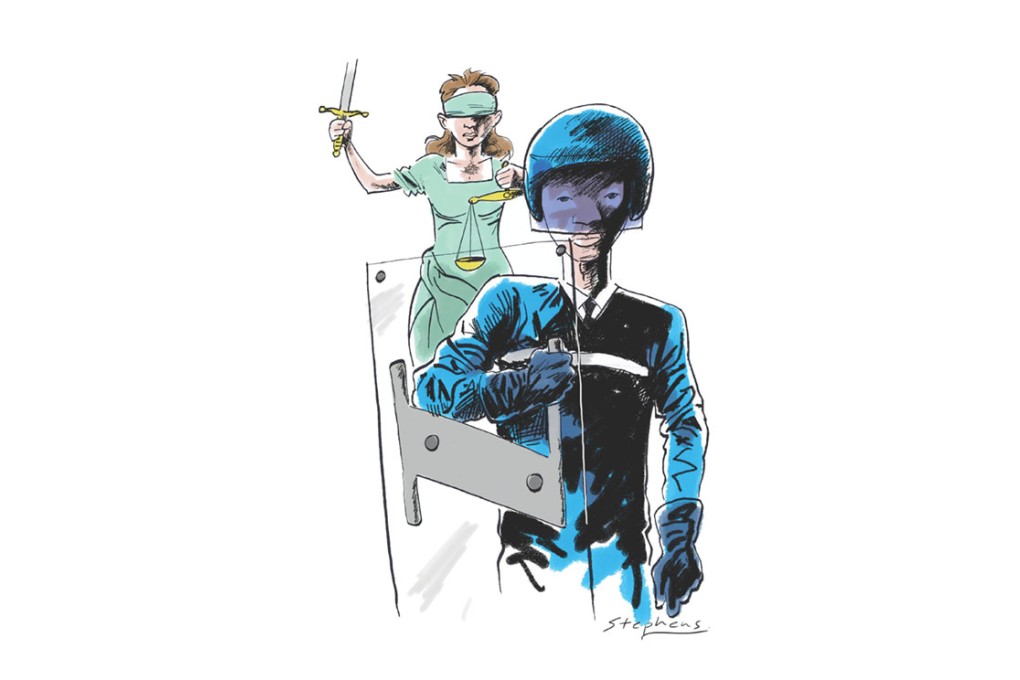
Performance anxiety is often treated as a personal weakness. In reality, it is a systemic failure—and its cost is enormous.
When pressure dominates environments of learning and work, talent is missed. Capable individuals underperform not because they lack ability, but because the conditions under which they are evaluated suppress it. Interviews select for composure under artificial stress rather than competence over time. Classrooms reward memorization under time pressure rather than understanding. Organizations confuse confidence with capability.
The second cost is burnout before competence. People are pushed to prove themselves repeatedly before they are allowed to stabilize. They hustle for validation, exhaust themselves emotionally, and exit roles before mastery can develop. Anxiety consumes energy that should have been invested in learning and refinement.
Perhaps the most damaging consequence is how neurodiverse individuals are punished unfairly. Many people on the autism spectrum, those with ADHD, anxiety sensitivities, or different processing styles, do not perform optimally under performative pressure. They may think deeply but speak slowly, excel in execution but struggle with interviews, or require psychological safety to demonstrate their strengths.
When systems reward pressure tolerance instead of value creation, society loses diversity of thought, innovation, and quiet excellence.
This is not a motivation problem. It is a design problem.
7.2 MEDA Foundation’s Approach
MEDA Foundation approaches this challenge from a fundamentally different premise: capability emerges through dignity, not pressure.
We operate on a skill-first, ego-last philosophy. Skills are built through repetition, structure, and real-world application—not through inflated confidence or artificial motivation. Ego is allowed to settle naturally as competence grows.
We prioritize emotional resilience over motivational hype. Motivation is volatile; resilience is durable. Individuals are taught how to regulate anxiety, detach self-worth from outcomes, and approach challenges with calm persistence. This makes growth sustainable rather than dramatic and short-lived.
Most importantly, MEDA Foundation focuses on self-sustaining confidence built through repetition and dignity. Confidence is not taught; it is earned. It arises when individuals experience themselves improving, contributing, and being respected for effort—not judged for imperfect performance.
By redesigning how people are prepared for education and employment, we create ecosystems where more individuals can thrive—not just the loudest or most fearless.
This work is not abstract. It is urgent. And it is deeply human.
When society learns to reduce pressure and increase preparedness, performance improves—not just for individuals, but for everyone.

Final Reflection: The Irony of Success
Those who chase success desperately rarely perform well.
Those who accept failure calmly often outperform everyone else.
This is not poetic exaggeration; it is a pattern repeated across classrooms, interviews, boardrooms, and lives. Desperation tightens the mind. Calm expands it. When success becomes a necessity, performance turns brittle. When failure is accepted as survivable, performance becomes fluid.
Letting go of the outcome does not mean abandoning ambition. It means liberating effort from fear. Preparing for the worst is not pessimism; it is respect for reality. And performing with ease is not carelessness; it is the natural result of emotional readiness.
The irony of success is simple and uncomfortable:
The less you need to succeed, the more capable you become of doing so.
Participate and Donate to MEDA Foundation
At MEDA Foundation, we work with individuals who face structural disadvantages, neurodiversity, repeated setbacks, and systems that mistake anxiety for incompetence. What they need is not motivational slogans or toxic positivity—but emotional resilience, self-trust, and skill-based confidence.
Your participation or donation directly supports:
- Interview-readiness programs grounded in emotional regulation and realistic preparation
- Confidence-building initiatives that avoid ego inflation and focus on competence
- Employment ecosystems that reward calm capability over performative confidence
This is how dignity is restored. This is how talent is unlocked. This is how people learn to help themselves.
Donate. Volunteer. Collaborate.
Help create a world where preparedness replaces pressure, and calm competence is allowed to thrive.
Book References
- The Obstacle Is the Way – Ryan Holiday
- Flow: The Psychology of Optimal Experience – Mihaly Csikszentmihalyi
- The Courage to Be Disliked – Ichiro Kishimi & Fumitake Koga
- Emotional Intelligence – Daniel Goleman
- Thinking, Fast and Slow – Daniel Kahneman
- Discourses – Epictetus
