

Obedience to injustice is never neutral; silence, compliance, and the rationalization of inaction enable harm to persist and flourish. Across history and everyday life, systems survive not only through cruelty but through the quiet participation of ordinary people who defer to authority, follow rules without reflection, and normalize oppression. True ethical responsibility requires cultivating awareness, courage, and moral agency—speaking up, refusing to comply with harmful norms, and building alternative systems that uphold dignity. From parenting and education to workplaces and civic engagement, fostering the capacity to question, resist, and act collectively transforms conscience into tangible change, demonstrating that justice is secured not by intention alone, but by deliberate, responsible action.
ಅನ್ಯಾಯಕ್ಕೆ ಅನುಗುಣವಾಗಿ ನಡೆದುಕೊಳ್ಳುವುದು ಎಂದಿಗೂ ತಟಸ್ಥವಲ್ಲ; ಮೌನ, ಪಾಲನೆಯು, ಮತ್ತು ಕ್ರಿಯೆಯಲ್ಲಿನ ನಿರಾಕರಣೆಯನ್ನು ನ್ಯಾಯೋಚಿತವಾಗಿ ತಿರಸ್ಕರಿಸುವುದು ಹಾನಿಯನ್ನು ಉಳಿಸುತ್ತಾ, ವಿಕಸಿಸುತ್ತಿದೆ. ಇತಿಹಾಸ ಮತ್ತು ದೈನಂದಿನ ಜೀವನದಲ್ಲಿ, ವ್ಯವಸ್ಥೆಗಳು ಕಷ್ಟಕರತೆಯಿಂದ ಮಾತ್ರವಲ್ಲ, ಸಾಮಾನ್ಯ ಜನರು ಅಧಿಕಾರಕ್ಕೆ ಅಣತೆಯಾಗಿ, ನಿಯಮಗಳನ್ನು ಯೋಚನೆ ಇಲ್ಲದೆ ಪಾಲಿಸುವ ಮೂಲಕ ಮತ್ತು ಹೀನಾಯತೆಯನ್ನು ಸಾಮಾನ್ಯವಂತೆ ಮಾಡುವ ಮೂಲಕ ಜೀವಿಸುತ್ತವೆ. ನಿಜವಾದ ನೈತಿಕ ಜವಾಬ್ದಾರಿ ಅರ್ಥ, ಧೈರ್ಯ, ಮತ್ತು ನೈತಿಕ ಸ್ವಾಯತ್ತತೆಯನ್ನು ಬೆಳೆಸಬೇಕಾಗಿದ್ದು—ಪ್ರತಿದಿನದ ಸನ್ನಿವೇಶಗಳಲ್ಲಿ ಮಾತನಾಡುವುದು, ಹಾನಿಕಾರಕ ನಡವಳಿಕೆಗಳಿಗೆ ಅನುಗುಣವಾಗಿ ನಡೆಯುವುದನ್ನು ತಿರಸ್ಕರಿಸುವುದು, ಮತ್ತು ಮಾನ್ಯತೆಯನ್ನು ಕಾಪಾಡುವ ಪರ್ಯಾಯ ವ್ಯವಸ್ಥೆಗಳನ್ನು ನಿರ್ಮಿಸುವುದು. ಪೋಷಣೆ, ಶಿಕ್ಷಣ, ಕೆಲಸದ ಸ್ಥಳಗಳು ಮತ್ತು ನಾಗರಿಕ ತೊಡಗಿಸಿಕೆ ಮೊದಲಾದ ಎಲ್ಲ ಕ್ಷೇತ್ರಗಳಲ್ಲಿ ಪ್ರಶ್ನೆ ಮಾಡುವ, ಪ್ರತಿರೋಧಿಸುವ, ಮತ್ತು ಸಮೂಹದಾಗಿ ಕಾರ್ಯನಿರ್ವಹಿಸುವ ಸಾಮರ್ಥ್ಯವನ್ನು ಬೆಳೆಸುವುದರಿಂದ, ಜಾಣ್ಮೆಯನ್ನು ನೈತಿಕ ಕ್ರಿಯೆಗಾಗಿ ಪರಿವರ್ತಿಸಲು ಸಾಧ್ಯವಾಗುತ್ತದೆ ಮತ್ತು ನ್ಯಾಯವು ಕೇವಲ ಉದ್ದೇಶದಿಂದ ಅಲ್ಲ, ಜವಾಬ್ದಾರಿಯಾದ, ನಿಶ್ಚಿತವಾದ ಕಾರ್ಯಗಳಿಂದಲೇ ಸಫಲವಾಗುತ್ತದೆ.

Obedience to Injustice Is Participation, Not Neutrality
Introduction
Central Assertion
Obedience to injustice is not a passive act—it is an enabling force. History repeatedly exposes a brutal pattern: oppressive systems rarely survive on cruelty alone; they are sustained by ordinary people who obey, comply, stay silent, and rationalize their inaction as neutrality. There is no moral middle ground when harm is known and avoidable.
This assertion is uncomfortable precisely because it implicates the everyday individual, not just the obvious villain. Injustice does not depend solely on tyrants, corrupt leaders, or brutal enforcers. It depends on clerks who process harmful paperwork, managers who “follow company policy,” teachers who enforce damaging norms, citizens who look away, and professionals who choose career safety over moral clarity. Obedience, when detached from conscience, becomes the quiet fuel of suffering.
Neutrality, in such conditions, is not absence of action—it is a decision that favors the status quo. And when the status quo harms, neutrality becomes participation.
Intended Audience
This article speaks to citizens, professionals, educators, leaders, parents, students, bureaucrats—and especially to those who believe, sincerely and confidently, “I am not directly responsible.”
If you have ever said:
- “That’s just how the system works.”
- “I don’t make the rules.”
- “It’s not my place to question.”
- “Someone else will fix it.”
Then this conversation includes you. Not as an accusation, but as an invitation—to think deeper, act wiser, and reclaim moral agency in a world that quietly rewards compliance.
Purpose of the Article
The purpose of this article is threefold:
- To expose the mechanisms of complicity
We will examine how moral responsibility is diluted through hierarchy, policy, tradition, and psychological conditioning—until obedience feels normal and resistance feels unreasonable. - To reveal how good people become participants in harm
Without demonizing individuals, the article explores how fear, conformity, incentives, and social approval transform decent humans into silent enablers. - To offer a practical, ethical framework for resistance without chaos
This is not a call for reckless rebellion or performative outrage. It is a call for thoughtful, disciplined, humane resistance—grounded in conscience, proportionality, and responsibility.
The goal is not to produce heroes or martyrs, but adults who can think, choose, and act ethically within imperfect systems.
Context-Setting
Across history, injustice rarely announces itself as evil. It does not arrive wearing a villain’s mask. Instead, it presents itself as policy, tradition, efficiency, legality, cultural norm, or “the way things are done.”
Slavery was once lawful. Segregation was once orderly. Child labor was once economically efficient. Silence during atrocities was once considered prudence. Each of these systems persisted not because everyone agreed with them, but because enough people complied with them.
Modern injustice is no different—only better dressed. It hides behind corporate language, institutional jargon, algorithmic decisions, standardized procedures, and moral outsourcing. It tells us that responsibility is above our pay grade, outside our job description, or beyond our influence.
This article begins from a hard truth:
When injustice is normalized, obedience becomes the most dangerous behavior of all.
What follows is not an exercise in guilt, but a roadmap toward responsibility—because the opposite of blind obedience is not chaos, but conscious participation in a more just world.

Neutrality Is a Convenient Fiction
Key Insight:
Neutrality does not exist in moral ecosystems—it always benefits the stronger force.
Neutrality is often presented as wisdom, maturity, or balance. In reality, it is frequently a strategy of self-preservation disguised as objectivity. In any situation where power is uneven and harm is ongoing, choosing to remain “neutral” does not suspend consequences; it redirects them. Silence does not pause injustice—it stabilizes it.
Moral ecosystems behave much like natural ones: energy flows toward dominance unless deliberately redirected. When injustice is present, neutrality functions as an invisible subsidy to power. It reassures the oppressor that resistance will be minimal and signals to the oppressed that help is unlikely. In this sense, neutrality is not an absence of position—it is a position that quietly favors the status quo.
Why Silence Reinforces Power
Power thrives on predictability. Silence offers exactly that.
When those who see harm choose not to speak, systems interpret that silence as consent. Institutions do not read consciences; they read outcomes. A lack of resistance is logged as approval, feasibility, or social acceptance. Over time, silence becomes data—and that data is used to justify continuation and expansion of harm.
Silence also isolates victims. It communicates, without words, that their suffering is either invisible or inconvenient. This isolation is not incidental; it is structurally useful. An isolated voice is easier to dismiss than a collective one, and neutrality fractures collectives before they can form.
Martin Luther King Jr., in Letter from Birmingham Jail, identified this with painful clarity. He did not reserve his sharpest critique for overt racists alone, but for the “white moderate” who preferred order over justice, calm over truth, and delay over action. This moderate was not cruel, but cautious. Not violent, but comfortable. And in that comfort, injustice found shelter.
How Comfort Masquerades as Objectivity
One of the most effective disguises neutrality wears is “being reasonable.”
Comfort allows people to confuse detachment with discernment. When a system benefits you—or at least does not harm you—it becomes easy to label moral urgency as emotional excess and resistance as extremism. Objectivity, in such cases, is not a higher vantage point; it is a padded seat within the system itself.
Paulo Freire, in Pedagogy of the Oppressed, exposes this false neutrality as a deliberate tool of oppression. By framing injustice as complex, inevitable, or culturally embedded, dominant systems discourage intervention. The message is subtle but powerful: “You don’t understand enough to interfere.” This keeps power intact while outsourcing guilt to ambiguity.
Comfort dulls moral imagination. It narrows the range of what feels necessary, possible, or urgent. Over time, people begin defending systems not because they are just, but because challenging them feels disruptive to personal stability. At that point, neutrality has fully merged with self-interest.
The Moral Cost of “Not Taking Sides”
Every injustice presents a moral fork: one path reinforces harm, the other interrupts it. Refusing to choose does not erase the fork—it merely defaults the decision.
The moral cost of not taking sides is cumulative. It begins with rationalization—“This isn’t my issue”—and evolves into habituation, where injustice becomes background noise. Eventually, the capacity for outrage erodes. What once felt unacceptable becomes tolerable, then normal, then invisible.
This erosion does not remain external. It reshapes the individual. Over time, people who repeatedly choose neutrality in the face of harm lose not only credibility, but clarity. Conscience weakens through disuse. Moral language becomes performative. Values become slogans rather than commitments.
Freire warned that false neutrality dehumanizes both the oppressed and the neutral observer. The oppressed are denied solidarity; the observer is denied integrity. In trying to avoid conflict, neutrality creates a deeper one—between who we believe ourselves to be and what we actually permit.
Actionable Reflection
Neutrality must be interrogated, not celebrated. Ask yourself:
- Who benefits from my silence?
- What discomfort am I avoiding?
- If roles were reversed, would neutrality feel fair?
Choosing a side does not require aggression, grandstanding, or moral superiority. It requires clarity. It requires naming harm when you see it and refusing to pretend that silence is innocence.
In moral ecosystems, there is no vacuum. If you are not actively resisting injustice, you are—whether you intend to or not—helping it breathe.
Neutrality is not peace.
It is permission.

The Banality of Evil: When Obedience Becomes Dangerous
Key Insight:
Atrocities often arise from thoughtlessness, not hatred.
The most unsettling truth about large-scale injustice is not the presence of monstrous individuals, but the absence of moral thinking among ordinary ones. Evil, in its most durable form, is rarely driven by rage or ideology alone. More often, it is executed calmly, efficiently, and without reflection—by people who see themselves as doing their jobs well.
Hannah Arendt’s concept of the banality of evil, developed through her analysis of Adolf Eichmann, shattered the comforting myth that great crimes require great villains. Eichmann was not a sadist or a fanatic in the theatrical sense. He was disturbingly normal—organized, obedient, career-focused, and fluent in bureaucratic language. His crimes were committed not out of hatred, but out of an unexamined commitment to duty.
This is where obedience becomes dangerous—not when people enjoy cruelty, but when they stop thinking altogether.
Evil as Administrative Routine
When harm is broken into procedures, it stops feeling like harm.
Bureaucratic systems are uniquely capable of converting moral atrocities into logistical tasks. Forms are filled. Targets are met. Protocols are followed. Responsibility is sliced so thin that no single individual feels accountable for the final outcome. Evil, in this form, does not shout—it files paperwork.
This routinization of harm is especially insidious because it rewards efficiency over empathy. Promotions go to those who “deliver results,” not to those who ask inconvenient questions. Over time, cruelty becomes normalized not because people approve of it, but because it is embedded in workflows, metrics, and job descriptions.
Arendt warned that such systems do not require ideological commitment from their participants—only compliance. When systems function smoothly, they discourage moral interruption. To question becomes to delay. To reflect becomes to disrupt. And so, thoughtlessness becomes a professional virtue.
Rules Replacing Reflection
Rules are meant to guide action, not replace conscience. Yet in unjust systems, rules often become moral substitutes.
When individuals outsource moral judgment to authority, they trade ethical responsibility for psychological safety. “I followed the rules” becomes a shield against accountability. Reflection is replaced by compliance; conscience by procedure. Over time, people stop asking whether a rule is just and focus only on whether it is being followed correctly.
This substitution is dangerous because rules are inherently limited—they cannot anticipate every human consequence. They are tools, not truths. When obedience to rules is elevated above responsibility for outcomes, systems become capable of extraordinary harm without requiring extraordinary malice.
The danger is not that people obey, but that they obey without thinking.
The Collapse of Personal Responsibility
At the heart of bureaucratic evil lies a fatal illusion: that responsibility can be transferred upward.
Moral outsourcing allows individuals to believe that accountability belongs to superiors, institutions, or abstract entities like “the system.” This diffusion of responsibility creates a moral vacuum in which no one feels personally answerable, even as harm multiplies.
Arendt observed that Eichmann spoke in clichés, slogans, and official language—not because he was unintelligent, but because he had ceased to think from the standpoint of others. This collapse of perspective is the true engine of banal evil. When people no longer imagine the human impact of their actions, morality withers.
Personal responsibility does not disappear because authority exists. It disappears because individuals choose not to exercise it.
Actionable Reflection
The antidote to the banality of evil is not heroism—it is thinking.
Ask, regularly and honestly:
- What human consequences follow from this task?
- Would I defend this action if it were done to someone I love?
- Am I hiding behind procedure to avoid discomfort?
Ethical resistance does not always require refusal. Sometimes it begins with interruption—slowing down, asking questions, documenting harm, escalating concerns, or refusing to sanitize language that disguises suffering.
History does not judge systems in the abstract. It judges the people who operated them.
Evil becomes possible not when people are cruel,
but when they stop being awake.

The Psychology of Obedience
Key Insight:
Humans are wired to obey—even against conscience.
Obedience is not a character flaw; it is a survival trait. Human societies evolved around hierarchy, coordination, and shared authority. These structures allowed groups to act quickly, maintain order, and survive threats. The problem arises when this deeply embedded instinct is exploited by unjust systems. What once ensured survival can, under certain conditions, become a mechanism for moral collapse.
Understanding the psychology of obedience is essential, not to excuse harmful behavior, but to recognize how easily conscience can be overridden—often without malicious intent.
Authority Bias and Fear Conditioning
People are more likely to obey perceived authority figures, even when orders conflict with personal values.
Stanley Milgram’s obedience experiments demonstrated this with chilling clarity. Ordinary participants were willing to administer what they believed were painful, even lethal electric shocks to another human being—simply because an authority figure in a lab coat told them to continue. Many showed visible distress. They hesitated, protested, and expressed moral discomfort. Yet a majority still obeyed.
The experiment revealed a crucial insight: obedience does not require belief in the action’s morality. It only requires deference to authority and a structure that shifts responsibility upward. Fear of disapproval, punishment, or appearing incompetent often outweighs empathy.
Modern systems replicate these dynamics constantly. Performance reviews, legal consequences, social ostracism, and economic insecurity act as conditioning tools. Over time, individuals learn that compliance is rewarded and resistance is costly. Fear becomes normalized, and obedience feels rational—even ethical.
Role Absorption and Moral Disengagement
When people fully identify with roles, they often suspend personal judgment.
Philip Zimbardo’s Stanford Prison Experiment revealed how quickly individuals internalize assigned roles. Participants randomly designated as “guards” began exhibiting controlling and abusive behaviors, while “prisoners” became submissive and distressed—despite knowing the situation was artificial. The power of the role overwhelmed personal identity.
This phenomenon, known as role absorption, allows individuals to distance themselves from the moral weight of their actions. “I’m just doing my job” becomes more than a phrase—it becomes a psychological boundary. Moral disengagement follows: harmful actions are reframed as necessary, procedural, or impersonal.
Language plays a key role here. People are no longer harmed; policies are “implemented.” Lives are not disrupted; “targets are met.” Euphemisms anesthetize conscience. When harm is abstracted, empathy declines, and obedience accelerates.
Why “Good People” Cause Harm
The most dangerous systems do not rely on villains. They rely on well-intentioned, socially adjusted individuals.
“Good people” often cause harm not because they lack values, but because they prioritize belonging, security, and approval. Social cohesion is powerful. The fear of being seen as difficult, disloyal, or disruptive can silence moral instincts. Over time, people adapt to their environments. What once felt wrong begins to feel normal.
Crucially, harm often unfolds incrementally. Small compromises accumulate. Each step feels manageable, even reasonable, until individuals find themselves far from their original values. By then, resistance feels radical—not because it is extreme, but because the baseline has shifted.
Milgram and Zimbardo did not reveal something abnormal about humanity. They revealed something universal.
Actionable Reflection
Psychological awareness is the first line of ethical defense.
Ask yourself:
- Am I obeying because I agree—or because I am afraid?
- If this instruction came from someone with less authority, would I comply?
- Has my role narrowed my sense of responsibility?
Building resistance begins with slowing down automatic obedience. Pause before compliance. Name the human impact. Reconnect actions to consequences.
The goal is not to eliminate obedience—societies need coordination. The goal is to ensure that obedience never replaces conscience.
Good people do not become dangerous because they choose evil.
They become dangerous because they stop choosing altogether.

Systems Don’t Act—People Do
Key Insight:
Systems are abstractions; only humans make decisions.
One of the most effective ways injustice protects itself is by hiding behind the idea of “the system.” Systems are spoken of as if they possess agency—the system failed, the system requires this, the system leaves no choice. This language is not accidental. It dissolves responsibility by turning human decisions into faceless inevitabilities.
In reality, systems do not act. Policies do not enforce themselves. Algorithms do not deploy without approval. Procedures do not execute without people choosing to follow them. Every system is animated, sustained, and corrected—or left uncorrected—by human beings exercising, or refusing to exercise, agency.
“Just Following Orders” as Moral Evasion
“Just following orders” is not a defense; it is a confession of abdicated responsibility.
This phrase reappears across history because it offers psychological relief. It allows individuals to separate action from accountability, execution from intention. Erich Fromm, in Escape from Freedom, explains why this surrender of agency is so tempting. Freedom, he argued, is not only liberating—it is frightening. To choose is to risk error, rejection, and punishment. Obedience promises safety by shifting responsibility elsewhere.
But this trade comes at a cost. When individuals relinquish moral agency, they do not become neutral instruments; they become enablers. Obedience transforms from cooperation into complicity the moment conscience is deliberately set aside. The comfort of not deciding becomes more valuable than the discomfort of doing what is right.
Bureaucracy as a Cruelty Amplifier
Bureaucracy does not create cruelty—but it multiplies it.
By fragmenting decisions into steps, roles, and departments, bureaucratic systems obscure the human consequences of individual actions. Each person performs a small task, disconnected from the final outcome. This fragmentation allows harm to scale efficiently while responsibility evaporates.
Paulo Freire warned that such structures encourage internalized oppression—not only among the oppressed, but among functionaries within the system. People begin to identify with the logic of the institution rather than the humanity of those affected. Over time, institutional survival becomes more important than human dignity.
Cruelty becomes procedural. Delay becomes policy. Indifference becomes professionalism. The system appears rational, even humane, while producing outcomes that are anything but.
The Lie of Insignificance
One of the most paralyzing myths of systemic injustice is the belief that individual actions do not matter.
This lie convinces people that resistance is futile and participation is harmless. “If I don’t do it, someone else will.” “My role is too small to make a difference.” These statements feel realistic, even humble—but they are profoundly misleading.
Systems persist precisely because millions of “small” actions align. Every signature, approval, silence, and compliance contributes to momentum. Conversely, every refusal, question, delay, and escalation introduces friction. Systems fear disruption not because individuals are powerful alone, but because collective compliance is fragile.
Freire emphasized that liberation begins when individuals recognize themselves as subjects, not objects. The moment a person realizes, “I am participating,” the system loses its invisibility.
Actionable Reflection
Reclaiming agency begins with rejecting abstraction.
Ask yourself:
- What decision am I personally making here?
- Who is affected by my compliance?
- Am I hiding behind the system to avoid moral discomfort?
Agency does not always mean defiance. It can mean documenting harm, questioning assumptions, refusing to dehumanize language, supporting those who resist, or slowing processes that cause damage.
Systems change when people stop pretending they are powerless.
The system did not do it.
Someone did.
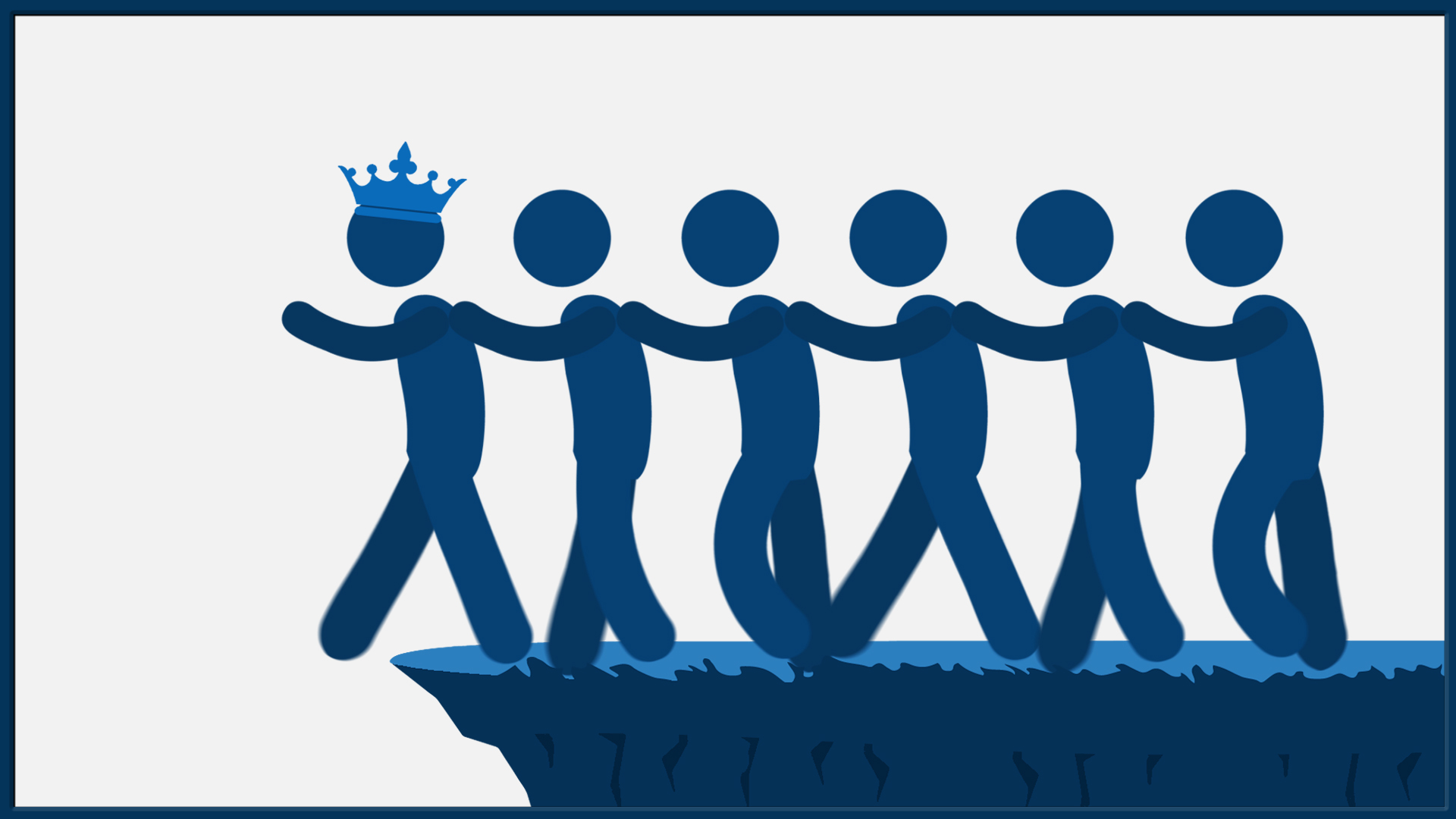
Everyday Obedience: The Invisible Injustices
Key Insight:
The most dangerous injustices are normalized.
Not all injustice announces itself with sirens and headlines. The most enduring forms are quiet, routine, and socially acceptable. They survive not because people actively support them, but because they have been woven into everyday life—into schedules, expectations, performance metrics, and “common sense.” When injustice becomes normal, obedience stops feeling like a choice and starts feeling like reality.
These are the injustices that do not shock us anymore—and that is precisely why they persist.
Toxic Workplaces and Silent Complicity
Many workplaces function as microcosms of normalized harm.
Chronic overwork, humiliation disguised as “feedback,” exploitation framed as “opportunity,” and burnout celebrated as commitment are widely tolerated. Employees learn quickly that speaking up carries social and economic risk. Silence, on the other hand, is rewarded with stability, promotions, or at least survival.
Over time, individuals participate in systems that harm themselves and others—enforcing unreasonable demands, overlooking abuse, or passing pressure downward—while telling themselves, “This is just how work is.” The moral surrender here is subtle. People do not become cruel; they become numb.
Viktor Frankl warned that when individuals surrender meaning for mere survival, they begin to lose their inner freedom. Work stripped of dignity does not only exhaust the body—it corrodes the soul.
Educational Systems Rewarding Conformity Over Thinking
Education, intended to liberate minds, often trains obedience instead.
Students are rewarded for memorization, compliance, and regurgitation—not for questioning assumptions or challenging flawed authority. Curiosity becomes inconvenient. Critical thinking is tolerated only within safe boundaries. Those who ask uncomfortable questions are labeled disruptive rather than thoughtful.
This conditioning produces adults who are skilled at following instructions but hesitant to challenge injustice. When education prioritizes order over inquiry, it prepares individuals for compliance, not citizenship.
The tragedy is long-term: societies inherit capable professionals who lack moral confidence. Obedience becomes intellectual habit, not just behavioral reflex.
Marginalization of Neurodiverse Individuals
Few injustices are as normalized—and as overlooked—as the exclusion of neurodiverse individuals.
Systems built for uniformity routinely penalize difference. Neurodivergent people are labeled “difficult,” “unproductive,” or “misaligned,” not because they lack ability, but because systems refuse to adapt. Instead of questioning rigid structures, society expects individuals to mask, conform, or disappear.
This marginalization is often unintentional, which makes it easier to ignore. Yet its impact is profound: wasted talent, diminished dignity, and lives forced into the margins.
Here, obedience manifests as acceptance of unfair norms. People comply with exclusionary practices not out of malice, but because inclusion requires effort, imagination, and courage.
Economic Systems That Punish the Vulnerable
Economic injustice often hides behind language of merit and efficiency.
Policies that favor the powerful are justified as “market realities.” Poverty is reframed as personal failure. Social safety nets are treated as burdens rather than investments in human dignity. Those at the bottom are blamed for not trying hard enough, while structural barriers remain conveniently invisible.
Everyday obedience sustains these systems through voting patterns, workplace practices, consumer choices, and silence. People comply not because they believe the system is fair, but because challenging it feels overwhelming or futile.
Frankl’s insight applies here as well: when societies prioritize efficiency over meaning, they begin to treat humans as expendable. The loss of empathy is not accidental—it is structural.
Actionable Reflection
Normalized injustice requires deliberate disruption.
Ask yourself:
- What harm have I accepted as “normal”?
- Who pays the price for my comfort or convenience?
- Where have I adjusted my values to fit the system?
Resistance in everyday contexts does not require grand gestures. It begins with noticing, naming, and refusing to participate quietly. It means advocating for humane policies, inclusive practices, ethical workplaces, and economic dignity—even when such advocacy is inconvenient.
The greatest danger is not that injustice exists.
It is that we stop seeing it.

The Cost of Disobedience—and the Cost of Obedience
Key Insight:
Disobedience has visible costs; obedience has hidden ones.
Societies tend to exaggerate the dangers of disobedience while minimizing the damage caused by compliance. Punishment, loss, and instability are made highly visible to discourage resistance. Meanwhile, the slow corrosion of integrity caused by obedience to injustice remains largely unspoken. Yet history suggests the latter is far more destructive.
The true moral calculation is not whether disobedience is costly—it always is—but whether obedience is cheaper in the long run. It rarely is.
Fear of Punishment vs. Erosion of Self
Fear is the primary enforcement mechanism of unjust systems.
Disobedience threatens income, reputation, safety, and belonging. These are not trivial risks. Choosing to resist can lead to isolation, retaliation, or hardship. This is why most people comply—not because they agree, but because they are afraid.
However, Viktor Frankl’s life and work reveal a deeper truth: when individuals surrender their inner freedom to avoid external punishment, they lose something far more valuable than comfort. Frankl observed that even in the most oppressive conditions, humans retained the ability to choose their response. Those who preserved meaning—by aligning action with values—were more likely to endure without psychological collapse.
Obedience that violates conscience does not protect the self; it gradually erodes it. Each act of compliance that contradicts one’s values creates internal dissonance. Over time, people resolve this tension not by changing behavior, but by adjusting beliefs—convincing themselves that harm is justified, inevitable, or insignificant. This is the quiet destruction of character.
Thoreau: Conscience Over Law
Henry David Thoreau argued that the legitimacy of law does not guarantee its morality.
In Civil Disobedience, Thoreau insisted that individuals must not permit governments—or institutions—to overrule conscience. Laws, he warned, can make people agents of injustice if followed uncritically. The moral responsibility lies not in obedience, but in alignment with ethical truth.
Thoreau did not deny the consequences of disobedience. He accepted imprisonment as the cost of refusing to support injustice. His argument was simple and uncompromising: suffering for doing what is right is preferable to benefiting from what is wrong.
This perspective reframes risk. The question is no longer “What will happen to me if I disobey?” but “What will happen to me if I don’t?”
Long-Term Spiritual and Social Decay
The cost of obedience is rarely immediate—but it is cumulative.
At the individual level, prolonged moral compromise leads to cynicism, disengagement, and loss of purpose. People stop believing their actions matter. Meaning drains from work, relationships, and civic life. What remains is survival without dignity.
At the societal level, obedience to injustice corrodes trust. When citizens observe widespread compliance with harmful systems, they learn that ethics are negotiable and power determines truth. This breeds apathy, polarization, and despair. Social bonds weaken because people no longer expect fairness or solidarity.
Frankl warned that societies which abandon meaning eventually abandon humanity. When efficiency replaces ethics and order replaces justice, cultures decay from the inside—quietly, predictably, and profoundly.
Actionable Reflection
Every decision carries a cost. Wisdom lies in choosing which cost you are willing to bear.
Ask yourself:
- What part of myself am I protecting through obedience?
- What part of myself am I losing?
- If everyone acted as I am acting now, what kind of society would exist?
Disobedience does not require recklessness. It requires clarity, preparation, and proportionality. It may involve strategic resistance, ethical non-cooperation, or principled refusal.
The price of resistance is often paid upfront.
The price of obedience is paid slowly—until one day, there is nothing left to pay with.

Civil Disobedience as Ethical Responsibility
Key Insight:
Not all laws deserve obedience.
Civil disobedience is often misunderstood as rebellion, disorder, or defiance for its own sake. In truth, it is the opposite: a disciplined, principled response to laws and systems that violate human dignity. It emerges not from contempt for society, but from deep loyalty to its highest moral ideals.
Both Henry David Thoreau and Martin Luther King Jr. insisted on a demanding standard: obedience is owed to justice, not merely to legality. When law and morality diverge, conscience must lead.
Moral Criteria for Resistance
Civil disobedience is not impulsive refusal; it is ethical discernment in action.
Thoreau argued that individuals must withdraw support from unjust systems, even at personal cost. MLK refined this into a moral framework that distinguishes just laws from unjust ones. According to this view, a just law uplifts human dignity and applies equally; an unjust law degrades dignity and is imposed by the powerful upon the powerless without consent.
Resistance becomes ethically justified when:
- A law causes direct or systemic harm
- Legal channels for correction have been exhausted or deliberately blocked
- Obedience would require violation of conscience
- Disobedience is aimed at restoring justice, not asserting dominance
This framework prevents chaos by grounding resistance in responsibility rather than emotion.
Nonviolence, Discipline, and Clarity
Civil disobedience demands more self-control than obedience ever does.
Nonviolence is not passivity; it is moral strength under pressure. It requires discipline, restraint, and unwavering clarity of purpose. MLK emphasized that nonviolent resistance exposes injustice by refusing to mirror its cruelty. It places the moral burden where it belongs—on the unjust system.
Discipline ensures that resistance remains focused on principles rather than personalities. Clarity ensures that actions communicate purpose, not confusion. Without these, disobedience devolves into noise. With them, it becomes a powerful moral language that societies cannot easily ignore.
Disobedience as Loyalty to Humanity
True civil disobedience is an act of allegiance—not betrayal.
It is loyalty to the suffering over the comfortable, to conscience over convenience, and to humanity over hierarchy. When individuals refuse to cooperate with injustice, they affirm a deeper social contract—one rooted in dignity, fairness, and shared humanity.
MLK described this loyalty beautifully: accepting punishment openly, not to glorify suffering, but to awaken conscience. The willingness to bear consequences exposes the moral imbalance of unjust laws and invites society to correct itself.
Actionable Reflection
Civil disobedience begins long before public protest.
Ask yourself:
- Which rules demand my silence in the face of harm?
- Have I confused legality with morality?
- Where can I withdraw support without dehumanizing others?
Ethical resistance may start quietly: refusing to enforce harmful policies, documenting injustice, supporting those who speak out, or creating alternatives that embody justice.
Obedience to unjust law is not stability.
It is stagnation.
Civil disobedience, practiced with wisdom and compassion, is how societies remember who they are meant to be.

From Awareness to Action
Key Insight:
Awareness without action is moral vanity.
Awareness feels virtuous. It signals intelligence, sensitivity, and moral alignment. But awareness alone changes nothing. When insight is not followed by action, it becomes a form of self-congratulation—a way to feel righteous without becoming responsible. Paulo Freire warned against this trap, insisting that liberation requires praxis: reflection combined with action. One without the other is incomplete. Reflection without action becomes empty rhetoric; action without reflection becomes blind reaction.
In unjust systems, awareness that does not translate into action does not remain neutral. It quietly reinforces the very conditions it recognizes.
Freire’s Praxis: Reflection Plus Action
Praxis is not about dramatic gestures; it is about sustained, intentional engagement.
Freire argued that genuine understanding deepens through action. When individuals act on what they know, their awareness sharpens. They begin to see structural patterns, power dynamics, and hidden consequences that theory alone cannot reveal. Action grounds morality in reality.
Praxis also protects against despair. Awareness without action breeds cynicism—people see what is wrong but feel powerless to change it. Action, even imperfect and limited, restores agency. It converts concern into contribution.
Speaking Up in Everyday Settings
Resistance begins where you stand.
Speaking up does not always mean public confrontation. It can be as simple—and as difficult—as naming harm when it occurs, asking uncomfortable questions, or refusing to normalize cruelty in casual conversation. Everyday settings—workplaces, classrooms, family discussions—are where norms are reinforced or challenged.
This kind of speech requires courage because it disrupts social comfort. But it is precisely this disruption that prevents injustice from becoming invisible. When harm is named, it can no longer hide behind politeness or routine.
Strategic Non-Cooperation
Not all resistance is loud. Some of the most effective forms are quiet and deliberate.
Strategic non-cooperation involves withdrawing support from harmful practices without resorting to chaos. This may include refusing to enforce unjust rules, slowing processes that cause damage, declining participation in dehumanizing language, or documenting and escalating concerns through ethical channels.
Non-cooperation is powerful because unjust systems depend on smooth compliance. Even small acts of refusal introduce friction. They force systems to reveal their priorities and expose the human cost of their efficiency.
Building Alternative Systems of Dignity
Opposition alone is not enough; alternatives must be built.
One of the most constructive forms of action is creating parallel systems that embody the values unjust systems lack. Ethical workplaces, inclusive educational models, community-based support networks, and social enterprises rooted in dignity demonstrate that injustice is not inevitable—it is a choice.
These alternatives do more than critique; they prove possibility. They offer people a way to participate in justice rather than merely protest injustice.
Actionable Reflection
Move from awareness to action by asking:
- Where can I act with the least risk and the greatest integrity?
- What support can I offer to those already resisting?
- What alternative can I help build?
Action does not require perfection. It requires sincerity, persistence, and humility.
Awareness asks, “What is wrong?”
Action asks, “What will I do about it?”
Only the second question changes the world.

Raising Humans Who Can Say “No”
Key Insight:
Obedience is taught early—so must courage be.
No one is born morally submissive. Obedience is learned through reward, punishment, imitation, and repetition. So is courage. If societies wish to break cycles of injustice, they must stop treating ethical resistance as an adult skill and start cultivating it from childhood onward. The capacity to say “no” to harm is not instinctive—it is formed.
Raising humans who can say “no” is not about producing rebels. It is about producing people who can think, discern, and act with integrity even under pressure.
Parenting Beyond Compliance
Many parenting models confuse obedience with good behavior.
Children are often rewarded for being quiet, agreeable, and compliant—especially when authority figures are present. While structure and boundaries are essential, blind compliance comes at a cost. When children are taught that being “good” means not questioning adults, they internalize the idea that authority outranks conscience.
Parenting beyond compliance means encouraging children to ask why, to express disagreement respectfully, and to recognize unfairness. It means teaching them that obedience is conditional—not automatic—and that rules exist to serve people, not silence them.
This does not create chaos. It creates discernment. Children raised this way learn that respect and submission are not the same, and that moral courage often begins with uncomfortable questions.
Education That Rewards Questioning
Education systems shape moral reflexes as much as intellectual ones.
When schools prioritize rote learning, standardized answers, and punishment for deviation, they train students to associate success with conformity. Questioning becomes risky. Curiosity becomes disruptive. Over time, students learn to suppress doubt in favor of approval.
An education that rewards questioning does the opposite. It treats inquiry as a strength, dissent as engagement, and mistakes as part of learning. Such systems do not fear challenges to authority; they invite them.
Students educated in this way are more likely to recognize injustice when they encounter it—and more willing to challenge it thoughtfully rather than obey it reflexively.
Leadership Rooted in Ethics, Not Authority
The kind of leaders we produce reflects the values we reward.
Leadership based solely on authority teaches followers to comply, not to think. Ethical leadership, by contrast, invites participation, transparency, and accountability. It models the courage to admit uncertainty and the humility to revise decisions.
Leaders rooted in ethics create environments where saying “no” is not punished, but considered. They understand that loyalty to values matters more than loyalty to hierarchy. Such leadership does not weaken institutions—it strengthens them by preventing moral drift.
Actionable Reflection
To raise humans who can say “no,” ask:
- Do we reward compliance or courage?
- Do our systems invite questions—or suppress them?
- Do our leaders model conscience or control?
Courage is not taught through slogans. It is taught through daily practice—through listening, questioning, and principled refusal.
A society that trains its children only to obey
should not be surprised when injustice finds willing hands.

Replacing Obedience with Responsibility
Key Insight:
The goal is not rebellion—but responsibility.
The opposite of blind obedience is not chaos, defiance, or perpetual protest. It is responsibility—the willingness to think, choose, and act with awareness of consequences. Mature societies are not built on unquestioning compliance, but on citizens who can hold power accountable while remaining deeply committed to the common good.
Responsibility shifts the moral center from “What am I allowed to do?” to “What ought I do?” This shift is where ethical civilizations are born—and where unjust ones begin to unravel.
Courage as a Muscle, Not a Trait
Courage is often romanticized as a rare personality trait possessed by a few heroic individuals. This myth is convenient—it excuses inaction.
In reality, courage functions like a muscle. It strengthens with use and weakens with neglect. Small acts of responsibility—asking a hard question, refusing dehumanizing language, supporting someone at risk—build moral endurance. Over time, what once felt terrifying becomes manageable.
Obedience atrophies courage. Responsibility trains it.
The goal is not to eliminate fear, but to act despite it, with clarity and proportionality. Courage is not loud; it is consistent.
Collective Resistance Through Community
Sustainable resistance is rarely solitary.
Isolated individuals burn out or are silenced. Communities endure. When responsibility is shared, risk is distributed and resilience increases. Collective action transforms personal conscience into social momentum.
Communities provide:
- Moral reinforcement when doubt arises
- Practical protection when retaliation occurs
- Continuity when individuals must step back
This is why unjust systems often target solidarity first—because shared responsibility is harder to control than individual obedience.
Responsibility thrives in relationship.
Why NGOs and Social Enterprises Matter
Moral clarity without infrastructure leads to frustration.
NGOs and social enterprises convert values into systems—offering practical alternatives to unjust structures. They move beyond protest by building what should exist: ethical workplaces, inclusive education, dignified livelihoods, and sustainable ecosystems of care.
These organizations demonstrate that justice is not abstract. It is operational. It can be designed, funded, managed, and scaled.
They replace resignation with possibility.
MEDA Foundation as a Living Example
MEDA Foundation embodies responsibility in action.
Rather than fostering dependency, MEDA focuses on self-sufficiency—helping individuals and communities help themselves. This approach respects dignity and builds long-term resilience.
By creating dignified roles for neurodiverse individuals, MEDA challenges exclusionary norms and proves that difference is not deficiency. Systems adapt to humans—not the other way around.
Most importantly, MEDA channels moral outrage into constructive ecosystems—employment models, skill development, and inclusive networks that endure beyond emotion. This is responsibility made tangible.
Actionable Reflection
Replacing obedience with responsibility begins here:
- Where am I complying to avoid discomfort rather than harm?
- Who can I stand with to share risk and effort?
- What constructive alternative can I support or build?
Responsibility does not require perfection. It requires participation.
Obedience asks for silence.
Responsibility asks for presence.
And it is presence—steady, thoughtful, collective—that ultimately dismantles injustice and replaces it with something better.

Final Reflection
Injustice does not need your loyalty.
It only needs your silence.
You don’t have to be loud.
You don’t have to be reckless.
But you cannot remain obedient and innocent at the same time.
History does not condemn people for lacking perfection; it condemns them for lacking presence. The greatest moral failures are rarely committed by those who openly embrace cruelty, but by those who quietly adjust to it. Obedience feels safe, respectable, and even virtuous—until its consequences surface. By then, the damage is already normalized.
This article has not argued for chaos, outrage, or perpetual rebellion. It has argued for something far more demanding: responsibility. Responsibility to think when thinking is discouraged. Responsibility to act when action is inconvenient. Responsibility to refuse silence when dignity is denied.
Participation is inevitable. The only question is what you participate in.
Participate and Donate to MEDA Foundation
Transforming conscience into change requires institutions that empower people, not merely criticize systems. MEDA Foundation exists to convert ethical clarity into durable impact—by building self-sustaining ecosystems for employment, neurodiverse inclusion, and dignified livelihoods.
MEDA does not seek sympathy. It seeks participation.
- Participate: Volunteer your time, mentor individuals, co-create programs, share professional and lived expertise
- Donate: Fund long-term, scalable impact models that prioritize dignity over dependency
- Advocate: Refuse silence where dignity is denied; amplify inclusive, humane solutions
Justice does not arrive by intention alone—it arrives through participation.
If you are moved by these ideas, do not let them end as agreement. Let them become action.
Book References (Integrated Throughout the Article)
- Hannah Arendt – Eichmann in Jerusalem: The Banality of Evil
- Viktor E. Frankl – Man’s Search for Meaning
- Martin Luther King Jr. – Letter from Birmingham Jail
- Philip Zimbardo – The Lucifer Effect
- Stanley Milgram – Obedience to Authority
- Henry David Thoreau – Civil Disobedience
- Paulo Freire – Pedagogy of the Oppressed
- Erich Fromm – Escape from Freedom
Participate. Donate. Build. Resist—with wisdom.
Because obedience to injustice is never neutral—it is participation.
