

Writing is not just a skill—it is a sacred act of showing up with honesty, humility, and heart. From embracing messy first drafts and befriending the inner critic to transforming grief into meaning and finding strength in community, the creative journey becomes a path of healing and self-reclamation. By choosing devotion over perfection and trusting that even small, unseen stories matter, writers move beyond fear and ego to offer something real, generous, and lasting. Word by word, day by day, storytelling becomes both a mirror and a gift—an act of courage that affirms life, truth, and the shared human experience.

Writing Through the Fog: A Courageous Path to Creativity, Clarity, and Contribution
Intended Audience and Purpose of the Article
Audience
This article is for those who feel an invisible urgency to create but are unsure how—or where—to begin. It is written for:
- Aspiring writers and artists who wrestle with blank pages, unfinished drafts, and the nagging feeling that they are not “good enough.”
- Educators, therapists, and caregivers who carry the emotional weight of others and may yearn for an outlet, a voice, or a way to process the unspoken.
- Spiritual seekers who understand that writing is more than communication—it is communion, reflection, and transformation.
- Students standing at the edge of adulthood and identity, unsure how to organize the chaos within into coherent thought.
- Everyday individuals—parents, professionals, elders—who have lived through beauty and difficulty, who carry untold stories that ache to be expressed, not for fame, but for freedom.
This work is particularly relevant for those who live under the shadow of:
- Perfectionism, where the fear of not getting it “right” prevents beginning altogether.
- Grief, where emotions are too vast or too fragile to verbalize.
- Impostor syndrome, where one’s internal narrative is filled with disqualification and self-doubt.
- Creative overwhelm, where inspiration floods in but clarity and structure are missing.
If you have ever felt that your voice is too messy, too ordinary, or too late to matter—this article is for you.
Purpose
The aim of this article is not to romanticize writing as a glamorous or elite pursuit. Nor is it to offer rigid formulas or promise overnight mastery. Instead, it serves as a compassionate roadmap—one that is practical, soul-nourishing, and deeply human.
Here is what you can expect:
- Honest truths about the emotional and psychological terrain of writing—from procrastination to panic, from confusion to catharsis.
- Tools and techniques to move through resistance—not by force or shame, but through presence, permission, and progress.
- Creative and spiritual insights that ground writing in service and integrity—seeing the act of storytelling not just as personal therapy, but as a gift to others.
- Balanced guidance on both craft and mindset—writing well is not only about structure or grammar, but also about courage, clarity, and compassion.
- A challenge to show up as you are, with your imperfect thoughts, your vulnerable truths, your evolving voice—because the world does not need perfect people. It needs real ones.
Ultimately, this article views writing not as a performance, but as a practice—one that honors both the writer and the reader. A practice of becoming more aware, more awake, more human.
If you are ready to walk this path—not with speed, but with sincerity—you are welcome here.
1. Introduction: The Courage to Begin
Writing is both a gift and a battle.
It is a gift because it grants us the sacred power to give shape to thought, to find meaning in chaos, and to connect with others across time and space. It is a battle because it demands courage—daily, repeatedly—to face not only the blank page, but also the cluttered interior of the self.
The first line is never simply a sentence. It is a confrontation. With fear. With silence. With the accumulated weight of every story we’ve ever wanted to tell and every voice—internal or external—that whispered we shouldn’t.
We don’t just struggle to write; we struggle to believe we are allowed to write.
In a world that celebrates speed, productivity, and polished output, the slow, awkward, deeply personal process of writing can feel out of place. The noise around us—and often within us—discourages reflection, detours vulnerability, and promotes performance over presence. Creation becomes something to be judged, monetized, or compared, rather than something sacred, transformative, and necessary.
Yet at its best, writing is an act of quiet rebellion.
To write in today’s world is to choose attention over distraction, meaning over noise, truth over comfort. It is to resist the pull of instant validation and instead engage in the slow excavation of one’s own reality. It is to make space for silence and to trust that what arises from that space—however halting or imperfect—matters.
The Genius Myth and the Everyday Writer
Many never begin because they believe they are not “gifted.” They’ve absorbed the myth of the tortured genius: a rare individual who is born with supernatural talent and writes effortlessly in a flash of inspiration. This image is not only false—it is harmful.
Most meaningful writing comes not from genius, but from persistence.
It comes from sitting in uncertainty, from crafting a single paragraph while the rest of the piece is still a fog. It comes from listening to one’s inner world with patience, not waiting for brilliance but working through messiness. Writing well is less about talent and more about showing up with intention.
This is why the most essential ingredient in beginning to write is not brilliance—but bravery.
The Urgency of Voice
We live in times where there is a surplus of information but a scarcity of wisdom. We are bombarded with opinions, data, and curated personas, yet the deeper human experiences—grief, doubt, longing, joy, moral conflict—are often hidden beneath performance and pretense.
Writing becomes vital here. Not because it offers solutions, but because it makes space for the truth. A well-written sentence can do what no social media post or marketing pitch can: it can remind us that we are not alone in our fears, questions, and contradictions.
This is why your voice matters.
Not because it is better than others—but because it is uniquely yours. No one else can articulate your particular perspective, with your precise emotional texture, drawn from your lived experience. The act of writing becomes not just self-expression, but an offering—a light passed from one human soul to another.
A Glimpse of the Journey Ahead
This article is not a technical guide filled with checklists and formulas—though it will offer actionable tools. It is, rather, a journey through the inner and outer terrains of writing. It will explore:
- The emotional resistance we face and how to move through it
- The practical techniques that support consistency and clarity
- The moral responsibility of truth-telling with compassion
- The spiritual and psychological nourishment writing can bring
- The ways in which writing connects us to others, and to ourselves
This is not merely a guide to writing. It is an invitation to live more honestly, to listen more deeply, and to create more courageously.
The blank page is not your enemy. It is your altar.
Welcome to the beginning.

2. The Power of Tiny Steps: Embracing Creative Humility
In the age of instant results and relentless productivity, humility is a radical creative stance.
Many aspiring writers feel crushed under the weight of their own expectations. They dream of writing a finished book, an unforgettable essay, or a deeply moving memoir—but the sheer size of that ambition stops them before the first sentence is even formed. The mind races ahead to the end, while the soul quietly pleads for permission to begin.
The most powerful antidote to this paralysis is breathtakingly simple:
Start small. And keep starting small.
“One Paragraph at a Time” as a Foundational Mindset
Forget the novel. Forget the blog post. Forget the structure, the chapter, even the sentence. Begin with the next word. Then the next. At most—a paragraph.
This is not laziness. It is discipline, in its most tender form.
Writing “one paragraph at a time” teaches you to be present. It asks you to focus not on the mountain peak, but on the placement of your next step. This approach:
- Calms the nervous system
- Dismantles the tyranny of perfection
- Builds trust in your creative rhythm
- Allows emotional honesty to surface gradually
Like any long journey, writing unfolds not in leaps, but in increments. One solid, sincere paragraph at a time is enough to build a book—if you stay with it.
How Small Actions Create Momentum and Confidence
Big goals are exciting. But small actions are sustainable.
A five-minute writing sprint.
A single page in your notebook.
A messy draft of one anecdote from your day.
These are not insignificant. They are how confidence is quietly constructed—through daily acts of showing up. Each time you write—even poorly—you prove to yourself that writing is not about magic. It is about motion.
Momentum doesn’t come before writing. It comes from writing.
The key is to make these small actions so doable that they override resistance. You don’t need to feel ready. You need to lower the threshold for beginning.
The Illusion of the Finished Product vs. the Truth of Process
When we consume great writing—books, essays, poems—it’s easy to believe that what we’re seeing is a product of talent, clarity, or divine inspiration. But every polished piece hides dozens of rewrites, false starts, and moments of deep self-doubt.
The finished product is a lie we tell ourselves to avoid facing the messy middle. What we must remember is:
- All great writing begins as terrible
- Process is rarely linear; it spirals, collapses, and rebuilds.
- Creativity is a series of small recoveries—from confusion, frustration, and inertia.
To honor the truth of process is to befriend your limitations, your missteps, and your own very human pace.
Micro-Routines to Initiate Writing Even in Doubt or Despair
On the days when doubt is thick and despair seductive, the mind will sabotage anything that feels remotely difficult or undefined. That’s why you need rituals—tiny, repeatable entry points into creative flow.
Here are a few micro-routines that help:
- The 10-Minute Rule: Set a timer. Promise yourself you’ll write for ten minutes. Stop if you must. Often, you’ll keep going.
- Daily Sentence Practice: Write just one sentence each morning. No editing. No judgment. Just presence.
- Location Triggers: Designate a small physical space for writing—a corner, a chair, a park bench. Let that place signal “It’s time.”
- Creative Anchors: Begin each session by reading a favorite quote, lighting a candle, or saying a mantra like “I begin imperfectly.”
You don’t need discipline in bulk. You need it in teaspoons. Enough to move through inertia and back into relationship with the work.
The Neuroscience of Slow, Steady Creative Work
Modern neuroscience reinforces what ancient wisdom traditions have always known: slow, consistent effort changes the brain.
- Neuroplasticity means that every time you engage in writing—no matter how briefly—you are reinforcing pathways for language, focus, and emotional processing.
- Repetition creates familiarity, which reduces resistance.
- Tiny, daily efforts are more effective in rewiring behavior than occasional bursts of overexertion.
By embracing a slow, steady pace, you align with how the brain naturally learns and grows. You build resilience—not just in your craft, but in your nervous system.
This is why creative humility is not defeat. It is wisdom. It is an invitation to move forward with grace rather than force.
The task is not to “be productive.”
The task is to stay close to the work—even in silence, even in doubt.

3. First Drafts and the Permission to Be Awful
There is only one rule for writing that frees the soul and sharpens the mind: you must allow yourself to write badly.
This is not indulgence. This is necessity.
The first draft is not where good writing begins. It is where all writing begins—with confusion, clutter, digression, and false starts. Every memorable piece of literature you’ve ever read began in a form so raw, so directionless, its own author may have laughed or winced at it. But it was written. And that is what mattered.
Why Good Writing Starts with Bad Writing
Because writing is thinking made visible, and first drafts reveal the thoughts beneath the thoughts—the subconscious tangle of impressions, fragments, fears, and half-formed intuitions that must rise to the surface before refinement is even possible.
Trying to write well from the beginning is like trying to sculpt marble while it’s still wet clay. It doesn’t work. It hardens into something brittle and fearful.
You write a bad first draft to:
- Discover what you’re really trying to say
- Get out of your own way
- Expose the hidden structure within the chaos
- Relieve the pressure of perfection so creativity can breathe
The goal of a first draft is not quality—it is permission.
Freewriting, Vomiting Drafts, and the Liberation of Mess
Let your writing be ugly. Let it ramble. Let it whine, contradict itself, or fall apart halfway through a thought.
That’s not failure. That’s digging.
Freewriting is one powerful method: set a timer, write without stopping, and don’t allow your pen or keyboard to pause. No editing. No rereading. No erasing. What pours out might be junk—or it might surprise you. Either way, it’s material. And material is gold.
Some writers call it a “vomit draft”—unfiltered, messy, necessary. This is not a flattering metaphor, but it’s accurate: it’s the body’s urgent need to expel. Only once it’s out can you begin to clean, analyze, and understand it.
The process is liberating because it lowers the emotional cost of writing. It shifts the goal from “write something great” to “write something anything.”
Separating Creation from Evaluation: Two Distinct Modes
One of the greatest traps writers fall into is trying to create and edit at the same time. These are two entirely different cognitive and emotional processes:
- Creation requires openness, receptivity, flow, and risk.
- Evaluation demands clarity, logic, critique, and structure.
When these two processes are forced to coexist, they short-circuit each other. The critic inside you slashes your thoughts before they can even emerge. The result? Paralysis, self-hate, silence.
So, separate the stages.
- First, write without judgement.
- Later, return with editorial discernment.
- Create first, sculpt second.
Let the creative self wander. Let the critical self clean up after.
Trusting That Clarity Comes Later, Not Sooner
The biggest lie fear tells you is: “If it isn’t clear now, it never will be.”
But in truth, clarity is a process of return. You come back to your raw work and gradually peel away the noise. You spot patterns you didn’t know you were writing. You find the heartbeat inside the mess.
Clarity doesn’t emerge in the first pass. It comes through:
- Time
- Distance
- Patience
- And the courage to revise again and again
This trust in the process is what distinguishes seasoned writers from blocked ones. They don’t wait for the perfect idea—they start writing and discover it on the way.
Real Examples of Breakthrough Moments from Rough Beginnings
- A well-known essayist once shared that the entire first draft of their viral article was a rant about a bad flight. Buried in that rant was one paragraph about loneliness. That paragraph became the seed of a piece that moved millions.
- Another writer journaled for months about burnout and failure. One evening, they described a moment of silence in their kitchen with such specificity and truth that it became the opening of their first book.
- A student once wrote a terrible, disjointed draft about “what I want to be.” Their teacher pointed to one single image—”I want to be the kind of person who remembers to call my grandmother before she forgets me”—and said, “There. That’s your story.”
These moments didn’t arrive because the writing was good. They arrived because the writer kept going—despite the mess.
Your awful first drafts are sacred.
They are maps drawn in the dark.
They are the compost from which truth grows.
And they are the only way to the work you were meant to write.
4. Observation as a Sacred Act
The most powerful tool a writer possesses is not language—it is attention.
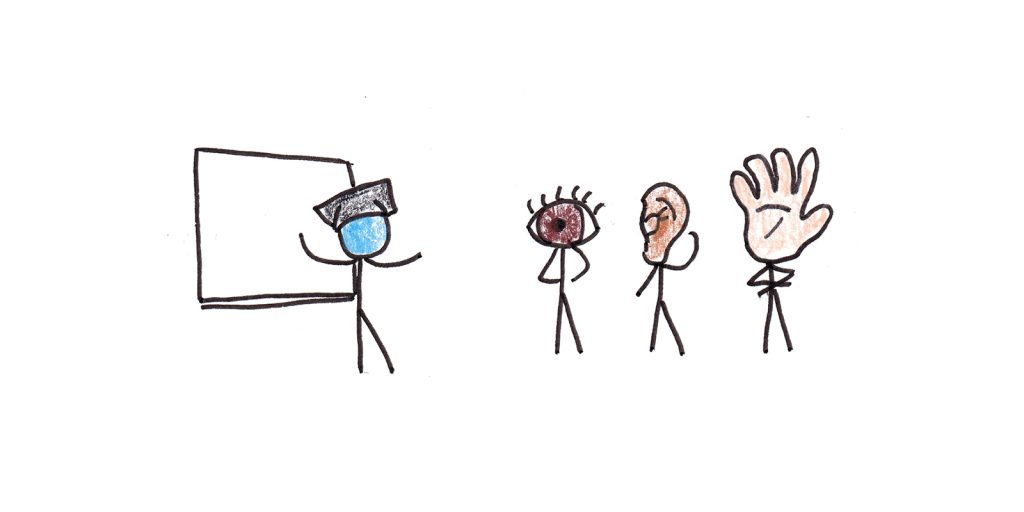
In a distracted world, to pay attention is a radical act. It is how writers reclaim truth from noise, and beauty from banality. Observation—true observation—is not passive. It is active reverence. It requires not just looking, but seeing. Not just hearing, but listening. Not just registering, but receiving.
To write meaningfully, one must first learn to witness the world with devotion.
Writers as Attentive Witnesses of the World
A writer is not just a storyteller—they are a noticer, a translator, and a keeper of quiet things.
Where others rush past life, the writer pauses.
Where others summarize, the writer dissects.
Where others forget, the writer remembers.
This doesn’t require exotic travel or dramatic experiences. In fact, the truest art often comes from noticing what most people ignore:
- The way someone rearranges their hands when they’re nervous
- The silence that falls between two people who used to love each other
- The smell of wet earth before monsoon, sharp with memory
- A rusted bolt on a gate, whispering stories of who walked through before
To witness the world is to accept that nothing is too small, too mundane, or too quiet to matter. Everything contains a story—if you pay attention.
Honing Attention: Sounds, Smells, Shadows, and Subtext
Good writing begins in the senses. To sharpen your craft, sharpen your awareness.
- Sounds: What hums in the background? A distant train? A child’s half-sung rhyme?
- Smells: The kitchen at dusk, a library’s forgotten corner, the sharp metallic scent of fear?
- Shadows: The indirect, the unseen. What isn’t said in a conversation? What lingers in body language?
- Subtext: What’s really happening beneath what’s happening?
This level of attention elevates writing from reportage to resonance. The reader feels what you’ve seen, not because you told them—but because you noticed it first.
A useful exercise: Sit in a public place for 10 minutes. Write down every detail you can observe without interpreting. Then write the hidden story beneath those details.
Mining Ordinary Moments for Extraordinary Insight
You don’t need grand epiphanies to write something meaningful. Often, a seemingly unremarkable moment—waiting in line, watching rain, folding laundry—contains the seed of transformation.
Why? Because meaning lives in the micro.
The way you describe your mother peeling oranges may reveal your entire childhood.
The tension in a shared silence may speak more than dialogue ever could.
It’s not the moment itself—it’s the way you see it.
Writing becomes a sacred act not when it’s about big things, but when it renders the small things with honesty, tenderness, and curiosity.
Journaling and “Field Notes” as Training for Seeing Deeply
Writers must train their attention the way musicians train their ear.
The practice? Journaling. Sketching. Noticing. Cataloging life.
- Keep a small notebook or digital “field log”
- Note sights, overheard lines, colors, fleeting feelings
- Describe things that confuse or move you
- Try writing without interpretation—just description
- End the day with one line that captures its essence
These notes may never become full stories—but they will make you a better writer. You’re creating a library of perception that your subconscious will draw from when you need it most.
This habit builds intimacy with your own mind—and deepens your respect for the world around you.
Writing as Meditation, Mindfulness, and Love-in-Action
When practiced with presence, writing is not separate from spiritual work—it is spiritual work.
It asks you to:
- Be still
- Be honest
- Be aware
- Be humble
Writing with attention is a form of mindfulness—a way to dwell fully in the now. It transforms ordinary moments into altars. It turns chaos into coherence. It allows love to move through language.
This is the heart of it:
To observe is to care. To write is to bless.

5. Telling the Truth with Compassion
Truth in writing is sacred—but without compassion, it can become a weapon.
To tell the truth is to risk misunderstanding, exposure, and discomfort. It also offers the possibility of healing, clarity, and profound connection. The challenge lies in learning to tell it with courage and care, especially when our stories involve real people, painful memories, or unresolved wounds.
Writing truthfully does not mean writing brutally. Truth without love is cruelty. Love without truth is denial. As writers, we must hold both.
Writing Real People and Painful Truths Without Cruelty
No one writes in a vacuum. Our stories are stitched from the lives we’ve touched and been touched by—family, friends, lovers, strangers, abusers, mentors. When these people appear in our work, we face a complex moral task: how do we honor our experience without harming theirs?
Some principles:
- Change names or identifying details when necessary, especially if privacy is at stake
- Focus on your subjective truth—how it felt, what it meant to you—rather than casting absolute judgment
- Ask yourself: is this moment essential to the story’s emotional truth, or is it included to wound, punish, or prove a point?
Pain may be unavoidable. Cruelty is not.
A simple guideline: If the person you’re writing about were to read your words, would they feel human, even if exposed?
The Ethics of Personal Storytelling: Ownership and Empathy
Just because something happened to you doesn’t mean it’s only yours. Shared histories require shared responsibility.
Ethical storytelling asks you to:
- Own your perspective—don’t hide behind abstraction or deflect accountability
- Offer empathy, even (and especially) when the other person “doesn’t deserve it”
- Acknowledge your blind spots—there may be truths you still can’t see
This isn’t about being morally perfect—it’s about being conscious. Writers are not just chroniclers; we are interpreters. We shape meaning. And with that comes power—and obligation.
Emotional Honesty vs. Sensationalism or Blame
There is a difference between writing from a wound and writing from a scar.
- Wounds bleed onto the page—raw, reactionary, unresolved.
- Scars offer perspective—they still carry pain, but with distance, understanding, and often grace.
If you’re still bleeding, it’s okay to write—but be cautious about sharing publicly too soon. Ask:
- Am I using this story to feel, or to make others feel something on my behalf?
- Am I creating catharsis—or spectacle?
Blame flattens narrative. It reduces people to caricatures. Truth, on the other hand, recognizes complexity. A good story is rarely about heroes and villains—it’s about humans navigating contradiction.
Humor, Humility, and Forgiveness in Narrative
The heaviest truths are often best carried with lightness—not mockery, but humane levity.
Humor, when used with humility, can:
- Soften trauma without dismissing it
- Show your own absurdities as clearly as others’
- Invite readers into truth rather than pushing them away
Forgiveness in writing isn’t about condoning harm. It’s about refusing to let your voice be shaped by resentment. When you write with forgiveness, you write with freedom.
Humility reminds us that we are not omniscient—that our version of the story, though valid, is partial. And this awareness makes your writing richer, wiser, and more universally resonant.
Courage to Speak When It’s Easier to Stay Silent
There are moments when silence is safe—and wrong.
Telling the truth, especially when it’s uncomfortable, is an act of service. It validates the experience of others who’ve lived in similar shadows. It challenges systems of denial. It opens doors.
But it’s not easy. Speaking your truth may cost you relationships, comfort, or approval. Still—when done with care—it can yield deeper integrity, connection, and self-respect.
A simple mantra:
Say the thing. Say it gently. Say it true.
The truth is not yours to hoard or weaponize. It is yours to live, to learn from, and—when you are ready—to offer.
And when that offering is shaped by compassion, it ceases to be just your story. It becomes medicine.

6. Facing the Inner Critic: Befriending the Voices of Doubt
Every writer hears voices—not of inspiration, but of invasion.
“You’re not good enough.”
“This is pointless.”
“No one will care.”
“Who do you think you are?”
These are not voices of truth. These are the voices of your inner critic, that internal saboteur who appears precisely when you need courage the most. The critic doesn’t just block writing—it drains joy, corrodes self-trust, and paralyzes creative flow.
To write freely, you must not defeat the critic—you must understand, disarm, and reframe it.
Naming and Neutralizing the Inner Saboteur
The first step is to recognize the critic not as your true voice, but as a part of you—a protective mechanism gone rogue.
Give it a name. Give it a persona.
Make it something you can observe, rather than something you automatically obey.
Examples:
- The Perfectionist: insists nothing is ever good enough.
- The Academic: corrects your grammar before you’ve finished a thought.
- The Ghost of Disapproval: sounds like an old teacher, parent, or peer.
- The Fraud Police: reminds you daily that you’re a “fake.”
Naming creates space. And space gives you a choice: listen, but do not bow.
The Anatomy of Self-Judgment: Roots in Fear and Trauma
The inner critic often emerges from earlier experiences of criticism, shame, or abandonment. It learned to protect you by predicting judgment before it happened.
It says:
- “Don’t speak. You’ll embarrass yourself.”
- “Don’t create. They’ll laugh.”
- “Don’t stand out. You’ll get hurt.”
What feels like sabotage is often misguided self-preservation.
Understanding this helps shift your relationship from battle to dialogue. Instead of trying to silence the critic with force (which rarely works), you can:
- Acknowledge its fear
- Thank it for trying to protect you
- Gently tell it: “I’ve got this now.”
Tools to Dialogue with the Critic Rather Than Obey It
Rather than letting the critic run the show, try these strategies:
- The Critic Chair Technique
- Visualize the critic in a separate chair.
- Let it speak. Then respond as your wise adult self.
- You are not your critic. You are the one listening to it.
- Write a Letter to Your Critic
- Let your authentic voice write to the critic: “Here’s what you’re doing to me, and here’s what I need from you instead.”
- Follow up with a letter from the critic—often it will reveal fears and unmet needs.
- Flip the Script
- Turn the critic’s voice into a prompt. If it says “You don’t know what you’re doing,” respond with: “Then let’s explore what I want to figure out.”
These exercises don’t eliminate the critic—but they shrink its authority. You return power to your creative center.
Replacing Self-Attack with Creative Self-Parenting
If the critic is the internalized punisher, your healing voice must become the internalized nurturer—a creative parent who provides both safety and encouragement.
Ask yourself:
- What would I say to a child who just tried to write something brave?
- What tone would help me feel calm enough to continue?
- Can I offer curiosity instead of judgment?
This is creative self-parenting:
- You notice your fear without making it wrong.
- You praise effort, not just results.
- You say, “It’s okay to be messy. I’m proud of you for showing up.”
Over time, this rewires your nervous system. Writing no longer feels like danger—it begins to feel like home.
Long-Term Mindset Shifts: From Shame to Stewardship
To truly shift your relationship with the inner critic, you must transform your role—from self-punisher to creative steward.
- From “I must prove I’m worthy” to “I trust that I have something worth sharing.”
- From “I am not good enough” to “I am willing to grow.”
- From “I’ll be ashamed if it’s bad” to “I’ll be proud that I tried.”
You are not the critic. You are the custodian of something sacred—your voice, your experience, your evolving truth.
And no matter how loud the doubt becomes, your stewardship matters more.
The inner critic thrives on silence and shame. It weakens in the light of awareness, kindness, and continued action.
Write anyway.
Even when the voice says no.
Especially then.

7. Writing as a Form of Healing and Grief Work
Some stories are not written for publication. They are written for survival.
At its deepest level, writing is not just a craft—it is medicine. A way to bleed safely. A way to touch grief without collapsing under it. A way to give form to what feels formless. Whether the loss is personal or collective, recent or long buried, writing becomes a vessel to carry what cannot be carried alone.
Pain that has no outlet becomes stagnation. But pain that is written—however haltingly—has the chance to become meaning.
Stories as Vessels to Carry Sorrow, Regret, and Longing
Stories are not just tools for entertainment. They are containers.
A story can hold:
- A father’s absence
- A sister’s addiction
- The silence after a diagnosis
- A love that could not survive reality
- The guilt of what was said too sharply, or never said at all
These stories may not “fix” anything. But they give pain structure. They make the shapeless ache of sorrow something we can hold, shape, and eventually set down.
In writing, your grief is no longer just yours. It becomes a shared bridge—an offering to others who are also walking wounded.
Writing Through Loss, Change, Illness, and Death
Loss is not always dramatic. Sometimes it’s subtle, cumulative:
- The slow erosion of identity in caregiving
- The invisible grief of watching a child struggle
- The quiet death of a dream you had for your life
Writing helps you name these changes. And naming is the first act of healing.
A few gentle practices:
- Grief Journaling: Not what happened, but what it feels like
- Letters to the Departed: To a person, to your former self, to what was lost
- Timeline of Loss and Resilience: Mark your turning points. Not only what broke—but what rebuilt
Through this process, the writer is not asking “Why me?” but rather: “What now?”
Not to bypass grief, but to grow around it.
The Transformation of Pain into Meaning
Writing doesn’t erase pain. But it redeems it. It gives it a role to play in your life story.
Viktor Frankl wrote, “In some way, suffering ceases to be suffering at the moment it finds a meaning.” The act of crafting narrative is the act of saying: This mattered. I matter. The pain is not the end of the story.
This transformation happens not in grand epiphanies, but in small sentences:
- “That was the day I stopped hoping, but not the day I stopped loving.”
- “Even in anger, she made tea.”
- “I did not forgive him, but I stopped needing to punish myself.”
These are truths reclaimed from ruin.
Language as a Tool for Making the Invisible Visible
Grief is often isolating because it’s invisible. Society doesn’t know how to hold what it cannot see.
Writing breaks that invisibility. It says:
- This happened.
- This hurt.
- This still lives in me.
By putting pain into words, you externalize it—you move it from the shadows of your body to the page, where you can observe, reflect, and slowly re-integrate.
This doesn’t require polished language. It requires presence.
A shaky sentence written in truth is more powerful than an eloquent lie.
Examples of Healing Narratives That Rebuild the Self
Some of the most powerful healing stories begin in grief and end in self-reclamation:
- A woman writes about the miscarriage she never spoke of, and for the first time feels permission to grieve—and to hope again.
- A caregiver writes about watching their parent fade into dementia, and through that story, finds a way to honor the parent who remains.
- A survivor of abuse reclaims their voice by writing letters they never sent, finally saying what was once unsayable.
- A man who lost his job and identity begins journaling daily, and three years later, that journal becomes the foundation for a memoir about finding worth beyond productivity.
In each of these cases, the writing was not about forgetting or moving on. It was about remembering in a way that restored dignity, voice, and wholeness.
Writing cannot undo grief. But it can give you back your agency, your voice, and your shape.
It can remind you: you are not only what happened to you. You are also what you choose to make from what happened.
And that is where healing begins.

8. Writing in Community: Why We Cannot Do This Alone
The myth of the solitary genius is seductive—but false.
Yes, writing often happens in solitude. But thriving as a writer requires relationship. No meaningful creative journey is completed in isolation. We all need witnesses. We need listeners. We need mirrors to reflect back what we cannot yet see clearly in ourselves.
Writing, like living, is a communal act.
Dismantling the Myth of the Solitary Genius
The image persists: the lone, brooding writer, locked away in an attic, churning out brilliance in a vacuum. But in truth, no great writer exists in a void. Behind every book you love is:
- An early reader who said, “Keep going.”
- A mentor who offered a question that changed everything.
- A friend who believed before the writer did.
- An editor who lovingly challenged every weak line.
Isolation breeds self-doubt. Community nurtures courage.
To write in community is not to dilute your voice—it is to strengthen it through connection, reflection, and refinement.
The Healing Power of Feedback, Mentors, and Writing Groups
Feedback, when given and received with care, is a gift of clarity.
It tells you:
- Where your words landed
- Where they missed
- Where they moved someone deeply
Mentorship, whether formal or informal, provides guidance not just on craft but on integrity. A good mentor teaches you how to listen to yourself, not just how to polish your sentences.
Writing groups—when safe and supportive—become laboratories for bravery. In them, you learn:
- To speak your truth aloud
- To hear other truths and not flinch
- To realize you’re not alone in your fears or hopes
Many writers say their first breakthrough came not from writing better—but from being witnessed, without shame.
Creating Safe Spaces for Raw, Unfinished, Brave Work
To grow, a writer must be able to bring incomplete, messy, unguarded work to the table—and not be crushed by judgment.
This requires community that is:
- Non-competitive: where the goal is mutual growth, not comparison
- Curious, not corrective: where questions replace verdicts
- Emotionally mature: where people know how to hold space for vulnerability without rushing to fix or sanitize
Such spaces are rare—and precious. If you find one, nurture it. If you can build one, do so. Your future voice may depend on it.
Learning to Receive Critique Without Collapsing
Critique can sting—especially when your work is deeply personal. But when delivered with care and received with openness, critique becomes a pathway to mastery.
Here’s how to build your resilience:
- Separate self from work: Your draft is not your identity. It’s a version of your voice, not the whole of your worth.
- Ask for the critique you need: Be clear—do you want line edits, overall impressions, or just emotional response?
- Sit with feedback before reacting: Let it breathe. You may resist it today, but embrace it tomorrow.
- Keep what resonates. Release what doesn’t: Not all feedback is wise. Your intuition matters.
Remember: feedback is not about making your work more acceptable. It’s about making it more true.
Celebrating Others’ Voices as Deeply as Your Own
A generous writer is not threatened by another’s brilliance—they are inspired by it.
Celebrate others’ courage to show up on the page. Witness their growth. Learn from their rhythms, metaphors, and stories. Let their voice sharpen yours—not through envy, but through admiration.
When you champion others, your own writing deepens.
Why? Because storytelling is not a competition. It is a conversation.
And when you engage with sincerity, your work becomes not just an act of self-expression—but a contribution to something larger.
Writing may begin in solitude, but it flourishes in belonging.
The most powerful stories are rarely written alone.
They are written beside others—bravely, imperfectly, together.
9. The Practice of Devotion Over Perfection
Perfection is a thief.
It steals joy, silences beginnings, and replaces curiosity with shame.
Devotion, by contrast, is a slow, steady offering—a practice of showing up, regardless of results.
To write with devotion is to choose presence over performance, discipline over drama, and meaning over metrics. It’s not about writing flawlessly. It’s about writing faithfully.
Establishing Sacred Time: Rituals, Silence, and Signals
Creativity doesn’t need hours of uninterrupted solitude. What it needs is consistency, intention, and protection.
Create sacred time—no matter how small. This can be:
- A morning ritual: candle, tea, one page of writing
- A closing bell: a short poem read aloud after each session
- A writing altar: even a corner of a table with objects that ground you
- Silence as signal: turning off distractions to turn inward
These simple practices send a message to your mind and heart: This matters. I’m here. Let’s begin.
Ritual grounds the writer in rhythm, not rush. It invites the sacred into the mundane.
Detaching from Outcomes: Rejection, Approval, Virality
To write from devotion is to surrender the obsession with outcomes.
You are not here to impress the algorithm, to chase applause, or to shield yourself from criticism. You are here to offer something honest—to yourself and to the world.
Let go of:
- Rejection letters as verdicts
- “Likes” or “views” as validation
- Silence as failure
Instead, ask:
- Did I show up today with sincerity?
- Did I listen to what wanted to be written?
- Did I honor the truth, even if it was awkward or small?
These are the real measures of a writer’s growth—not what is published, but what is practiced.
Daily Habits That Nourish Consistency and Joy
Perfection wants dramatic achievement.
Devotion wants quiet repetition.
Build habits that support your nervous system and delight your spirit:
- Write at the same time each day, even if just for 10 minutes
- End before you’re exhausted, so you want to return
- Have a post-writing joy anchor—walk, stretch, music, or a short gratitude note
- Treat your writing space like a garden, not a battlefield
Let joy—not pressure—be the invitation. Let rhythm—not guilt—be the guide.
Tracking Progress in Spirit, Not Just Word Count
Yes, word count can motivate. But deeper metrics offer more wisdom:
- Did I face resistance and write anyway?
- Did I discover something I didn’t know I felt?
- Did I choose compassion when my inner critic attacked?
- Did I connect to something beyond me while writing?
Track these things. Reflect weekly. Celebrate gently. Writing is not just a product—it’s a process of becoming.
Creative Work as Devotion to Something Larger Than the Self
When writing is reduced to branding, profit, or performance, it loses its soul. But when it becomes an offering—however small—it regains its sacredness.
You write not only for yourself, but:
- For the younger version of you who never had a voice
- For the stranger who may one day feel seen in your words
- For the ancestors who could not speak freely
- For the future you who will be grateful you kept going
This is the true work:
To write as devotion. To show up not for praise, but for purpose.
To keep the fire alive—not in lightning bolts, but in slow-burning, faithful flame.
You are not here to be perfect. You are here to be present, persistent, and true.
Let your writing become your prayer. Let your pages become your practice.

10. The Long View: Legacy, Meaning, and Letting Go
You may never know the full impact of your words.
That poem you wrote on a rainy morning may become a lifeline for someone you will never meet.
That essay you nearly deleted may echo in the memory of a young person a decade from now.
That journal entry may one day return to you as healing, clarity, or strength.
Your writing may not change the world—but it may change a life.
And sometimes, that life is your own.
Trusting That Your Voice Matters, Even If You Never “Succeed”
Success is a shifting definition—elusive, cultural, external.
But significance is quieter. More durable. And entirely internal.
You may not have a bestseller. You may never trend or go viral.
But if your words are real, if your process is honest, if your voice reflects a life examined and a heart awakened—you have already succeeded.
You’ve lived awake. You’ve spoken truth.
You’ve given shape to the unseen and breath to the silenced.
You’ve said, “Here I am,” even when the world wasn’t listening.
And that is enough.
Letting Go of Ego, Comparison, and Performance Metrics
Comparison is the thief of peace.
Ego is the loudest when the soul is most tender.
Metrics are tools—not verdicts.
Let them fall away.
You are not in competition with anyone else’s output, reach, speed, or style. You are simply in relationship with your calling—and that relationship is sacred.
Let go of:
- Needing to be better than
- Needing to be seen by everyone
- Needing to be perfect, popular, or proven
What matters is this:
Were you honest? Were you present? Did you love what you created, even briefly?
Writing as an Offering, a Seed, a Love Letter to the Future
When you write without attachment to outcome, your words become gifts, not transactions. You plant seeds you may never see bloom.
- A child may one day read your story and feel less alone.
- A friend may reread your letter long after you’re gone.
- A stranger may stumble across your blog, years from now, and choose not to give up.
Writing in this spirit transforms everything.
It’s no longer about producing—it’s about participating in something greater than yourself:
- The human archive
- The universal conversation
- The long lineage of storytellers who shaped culture, courage, and compassion with words
Write as if you are weaving a thread into the great tapestry of time.
Because you are.
The Moral of the Story: Write Anyway
When you’re tired, write anyway.
When you’re uncertain, write anyway.
When you’re unpublished, unread, unready—write anyway.
When you’re afraid, especially then—write anyway.
Write because your story matters.
Write because silence is not your native tongue.
Write because someone is waiting—not for answers, but for honesty.
Write because it’s your way of remembering who you are.
The legacy of a writer is not measured in followers, fame, or fortune. It is measured in moments of truth.
Write yours.
Plant your seeds.
Then let go—and trust the garden will grow.

Conclusion: Keep Showing Up
In the end, writing is not about mastery—it’s about presence.
It’s about showing up, especially on the hard days when your mind is foggy, your heart is heavy, and your words feel like strangers. It’s about choosing to believe, just for one more page, that your voice matters—even if it shakes, even if it stutters, even if it’s the only one in the room.
Your truth is enough.
Your mess is holy.
Your voice is needed.
You don’t need to be prolific or perfect. You just need to be real.
The world is transformed not by grand manifestos, but by one honest sentence at a time.
A story whispered in grief.
A poem scribbled in the dark.
A memory made visible with trembling fingers.
Keep walking.
Keep writing.
Word by word. Day by day. Breath by breath.
Because the greatest reward is not publication, applause, or praise.
The greatest reward is this:
A life fully seen.
A soul fully felt.
A self fully expressed.
That is the legacy you leave. And it begins each time you pick up the pen again.
Participate and Donate to MEDA Foundation
Support Creativity with Purpose
At MEDA Foundation, we believe storytelling is not just art—it is agency.
It is how people reclaim identity, dignity, and belonging—especially neurodivergent individuals, underrepresented voices, and young dreamers with no platform but their truth.
Your support helps us:
- Run writing and creative workshops for individuals on the autism spectrum
- Train young people in communication and self-expression
- Equip aspiring storytellers with tools for personal and professional empowerment
- Build community spaces where all voices are heard and valued
👉 www.MEDA.Foundation
Empower voices. Create futures. Help people help themselves.
Donate. Share. Participate.
You are part of the story.
Book References (for Deeper Exploration)
For those wishing to deepen their practice or mentor others through it, we recommend:
- Writing Down the Bones by Natalie Goldberg
- The Artist’s Way by Julia Cameron
- On Writing by Stephen King
- Letters to a Young Poet by Rainer Maria Rilke
- The War of Art by Steven Pressfield
- Steering the Craft by Ursula K. Le Guin
- The Situation and the Story by Vivian Gornick
- The Art of Memoir by Mary Karr
